
Shaft Material Substitution: An OEM Approval Checklist
A quotation offers a locally available material instead of the grade on your shaft drawing. The price is attractive and the delivery date is earlier. The proposed grade appears beside the specified material in a cross-reference table, so the purchasing decision seems straightforward. But a similar designation does not resolve every requirement attached to the original specification. Product form, delivery condition, processing history, testing and the application itself can change what the comparison means.
This guide describes an approval workflow for OEM buyers and engineers, not a table of interchangeable grades. It builds on the shaft material selection guide while addressing a different question: how to evaluate a proposed departure from an already controlled requirement. It does not approve any particular substitution or claim that TOPSHAFT holds a specific material inventory, certification or validation capability. Confirm the available manufacturing and documentation scope during quotation.
1. Distinguish a Proposal from an Approved Change
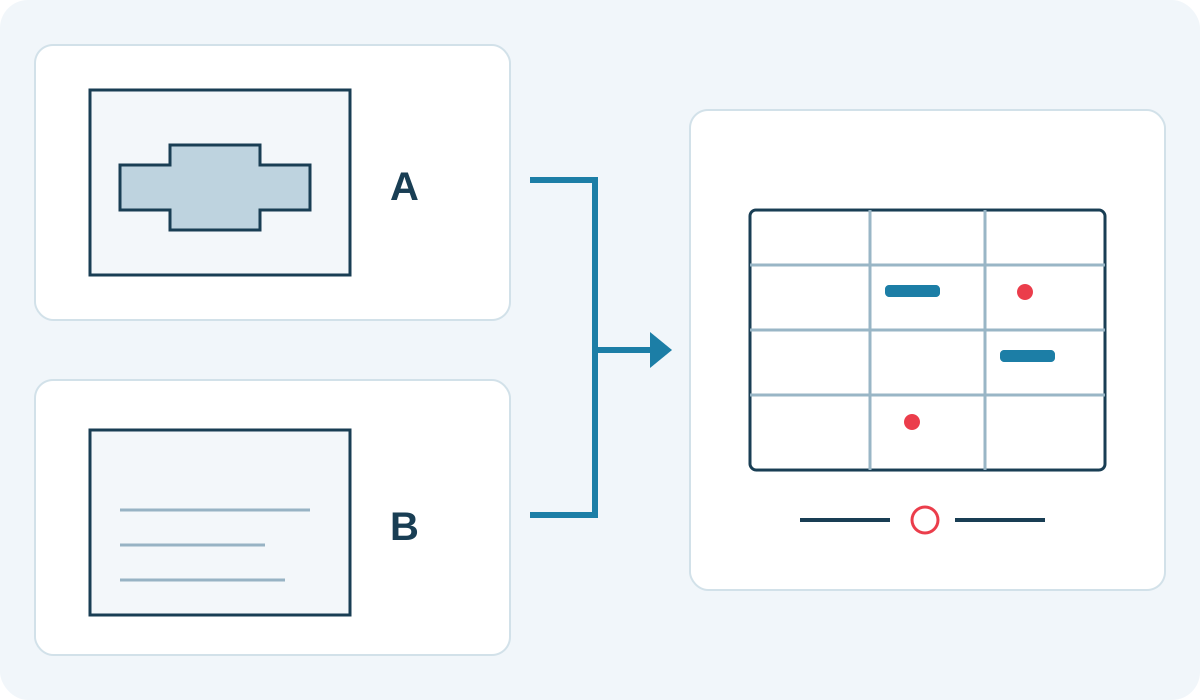
Ask the supplier to identify the requested material and the proposed alternative in separate fields. Include the applicable specifications, editions and delivery conditions where the order requires them. “Equivalent available” is a proposal, not an authorization to purchase stock or begin production. The order should say whether alternatives are prohibited, may be quoted separately, or require a named approval before use. Silence is a poor substitute for a decision.
Identify who owns the design, who can approve material departures and who updates the purchase documentation. A buyer may negotiate the commercial terms without having authority to accept a technical change. For a build-to-print shaft, the manufacturer should not quietly replace a drawing requirement with a preferred grade. Keep the original offer and the proposed alternative distinguishable so the customer can compare cost and schedule without losing the technical baseline.
2. Read the Actual Specifications Behind the Names
A cross-reference is useful for finding candidates, not sufficient evidence of interchangeability. The British Stainless Steel Association comparison of related grades explicitly cautions against assuming direct equivalence. For the actual order, compare the relevant specification requirements rather than only the short grade labels. Record which documents were checked and which clauses or requirements still need clarification from the responsible engineer.
Compare the allowed composition ranges and any additional restrictions in the drawing or purchase specification. Do not infer compliance from a trade name, a seller's description or an informal translation of a grade. If the proposed stock is dual-certified, establish what each certification actually covers and whether the required product form and condition are included. Dual certification should be supported by the relevant records, not treated as a slogan that overrides the order.
3. Match Product Form and Delivery Condition
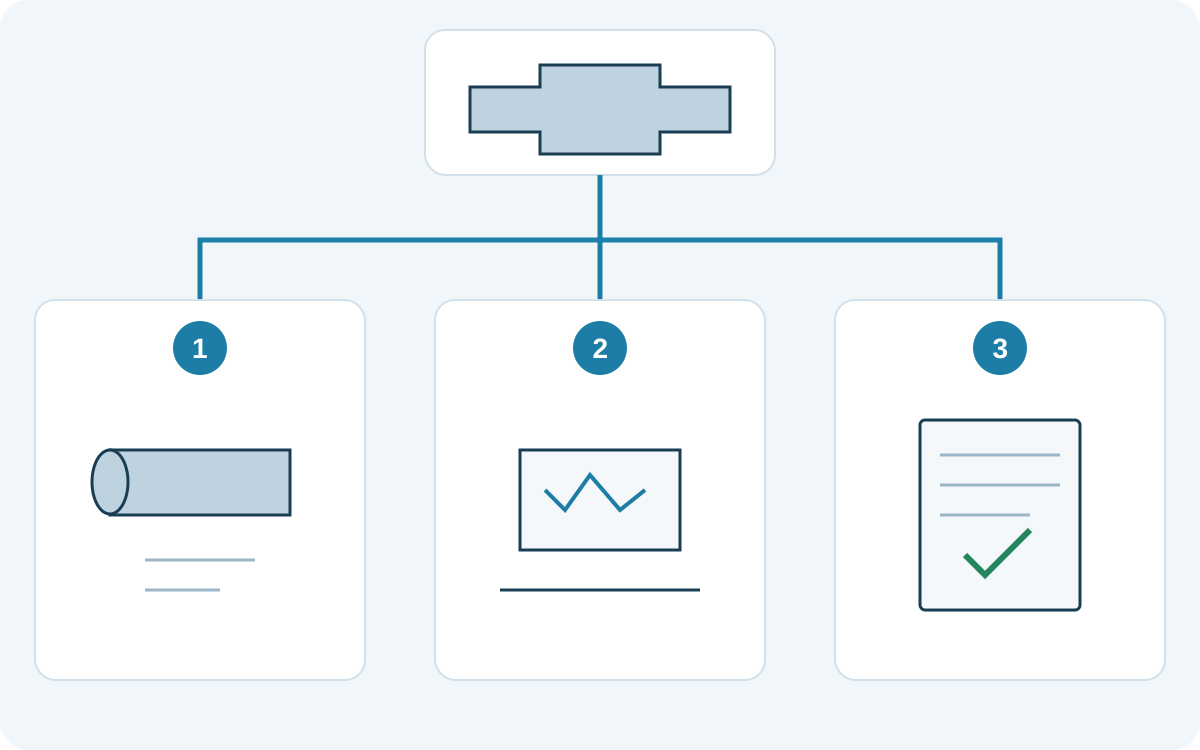
Define whether the material is supplied as bar, forging, tube or another agreed product form. A requirement written for one form should not be carried across automatically to another. Dimensions and section size may affect the applicable requirements or the evidence available. Ask the supplier to identify the actual stock route and any proposed change to it, rather than comparing generic values for an unspecified sample.
Delivery condition matters alongside the grade. Annealed, cold-worked, quenched-and-tempered or another specified state cannot be omitted from the comparison when relevant. Outokumpu's overview of stainless steel types notes the influence of cold work on mechanical properties. That is a reason to identify the supplied condition, not permission to infer every finished-shaft property from a family name. Keep stock condition separate from any later heat-treatment requirement.
4. Compare Required Properties, Not One Attractive Value
Build a requirement-by-requirement matrix covering the characteristics the design authority considers relevant. Depending on the application, these may include strength, ductility, hardness, corrosion behavior, temperature exposure or other defined requirements. Mark each item as supported, different, unknown or requiring validation. A higher value in one column does not automatically compensate for a shortfall elsewhere. Do not replace an engineering assessment with a claim that the candidate is simply “better.”
Separate guaranteed specification limits, actual certificate results and typical handbook data. They answer different questions. A typical value can guide a discussion but is not automatically a guaranteed property of the supplied batch. A satisfactory result from one heat does not establish that all future material meeting the alternative specification will behave identically. The approval must state whether it is limited to identified stock or extends to a controlled ongoing alternative.
5. Review the Manufacturing Route as Part of the Change
Ask whether the alternative affects machining, straightening, heat treatment, surface processing or the sequence of operations. Do not assume that the existing route remains valid because the final drawing dimensions are unchanged. The review should identify which process instructions and inspections may need adjustment, who is responsible for confirming them, and which checks must happen before a trial part can be accepted.
For heat-treated shafts, review the proposed material together with the intended final condition and relevant evidence. Use the heat-treatment specification checklist to keep treatment and acceptance connected. Where hardness is an acceptance characteristic, define the method, location and manufacturing stage rather than asking only for a single number. The hardness inspection guide explains why a convenient reading does not automatically represent every functional region.
6. Check the Application and Mating Interfaces
A material departure deserves review in the context of the assembly, not only as an isolated shaft. Identify the operating environment, contacts with mating components and relevant service conditions already defined by the customer. If the alternative changes a property used in a fit, thermal or loading assessment, ask the design authority whether the original assessment remains applicable. Manufacturing inspection alone cannot resolve an unanswered application question.
Keep interface requirements explicit even when no dimensional change is proposed. Bearing seats, seal tracks, couplings and other contacts may depend on more than nominal geometry. Share the approved application information using the load-case and duty-cycle guide where appropriate. Avoid creating new operating limits or promising longer life from a material comparison alone. A substitute must meet the agreed application requirements, not merely look similar in a catalogue.
7. Plan Samples and Validation Before Buying the Batch
Decide whether a document review is sufficient or whether samples, additional inspection or application testing are required. The responsible customer authority should define the scope and acceptance criteria. A sample that meets dimensions does not by itself validate fatigue life, corrosion performance or every service condition. If evidence is incomplete, label the unresolved point rather than converting an assumption into an approval statement.
Agree the quantity and identity of trial material, who pays for preparation or testing, the approval timing and what happens to unused stock. Keep trial release separate from unrestricted production release. The first-article inspection checklist can help connect sample identity with drawing requirements, but a first-article report only demonstrates its agreed scope. Record any additional validation explicitly instead of implying it is included in ordinary dimensional inspection.
8. Preserve Traceability Through the Alternative Route
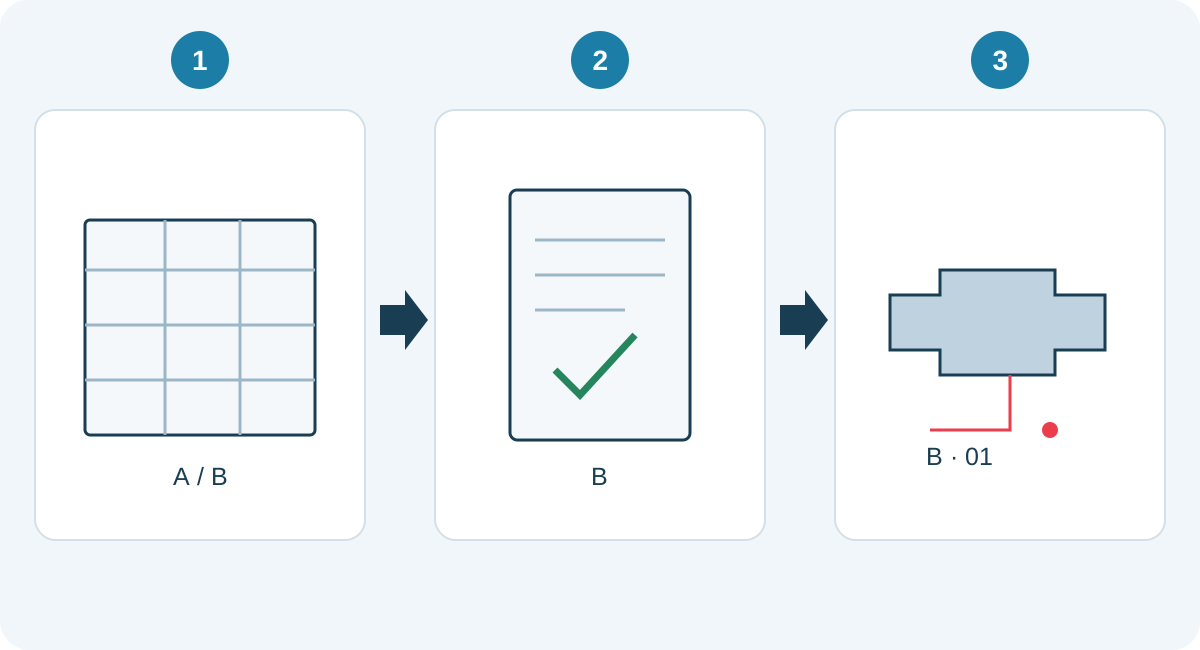
Link the approved candidate to its supplier records, material identification and relevant manufacturing lots. Confirm how the identity will be preserved when stock is cut, processed, subcontracted or divided between orders. A correct certificate is of limited use if nobody can connect it to the shipped shafts. Follow the principles in the material traceability checklist and agree the actual records to be supplied.
Prevent an approved exception from becoming an invisible permanent change. State whether approval applies to a particular heat, batch, order, quantity or time period, and how mixed stock will be segregated. Identify any marking, packing-list or report notation required to distinguish the alternative parts. If a later order uses a new material source or condition, check whether the earlier approval still applies instead of relying on an old email without its limitations.
9. Use a Comparison Sheet That Records the Gaps
The following table is a discussion template, not a material approval or a mandatory test schedule. Fill it with the actual requirements and supporting evidence. Do not populate the alternative column with “same” unless the comparison establishes what is the same and under which conditions. Unknowns should have an owner and a resolution date before the relevant production commitment.
| Review field | Evidence to compare | Decision to document |
|---|---|---|
| Material identity | Specifications, grade names and editions | Exact candidate and any unresolved differences |
| Form and condition | Stock route, section and delivery state | Whether the required basis is matched |
| Properties and processing | Guaranteed limits, records and proposed route | Gaps, extra checks and responsible reviewer |
| Validation and traceability | Trial scope, acceptance and lot identity | Boundaries of what the evidence supports |
| Authorization | Approver, order scope and controlled revision | Permission before use and any restrictions |
Attach the comparison sheet to the quotation or change request so that commercial and engineering decisions use the same information. Ask for a realistic delivery date that includes the review, any trial work and report approval rather than only the time to obtain stock. Clarify whether a price excludes additional testing, replacement samples or revised documentation. If the alternative is rejected, define the disposition of material already reserved; commercial urgency should not decide a technical acceptance issue.
If several candidates are offered, give each its own comparison identifier and revision. Do not merge favorable properties from different candidates into one apparently complete alternative. Track whether supporting documents are preliminary, superseded or accepted, and make the latest decision easy to locate for production and receiving inspection. When a reviewer asks for more evidence, record the open question rather than marking the whole proposal approved. This simple separation also helps when one candidate is rejected and another is accepted: the manufacturing team should not have to infer which material, condition or batch the final authorization refers to.
10. Close the Change in Controlled Documents
Written approval should identify what is authorized, the supporting evidence and any conditions that remain in force. It may take the form of a drawing revision or an approved deviation, depending on the customer's system. Keep the purchase order, manufacturing instructions and delivery records consistent with that decision. The drawing revision control guide offers a useful framework for avoiding conflicting versions in production.
Before release, verify that the actual material and process match the approved alternative, that required records are complete and that any restrictions are visible to the receiving team. For a custom shaft enquiry, submit the controlled drawing and describe the reason for considering alternatives separately. A transparent comparison can improve sourcing flexibility, but it should not hide missing evidence or transfer design responsibility without agreement. Approval is the outcome of the review, not the starting assumption.
Frequently Asked Questions
Does a grade cross-reference authorize a substitution?
No. It identifies a possible comparison. The responsible parties must review the applicable requirements, evidence and application, then authorize the specific change before use.
Is higher strength always a safer alternative?
No. Other required properties, processing effects and application constraints still matter. A single favorable value is not a complete engineering justification.
Can approval for one batch cover later orders?
Only if its written scope permits that use and the relevant conditions remain satisfied. A batch-specific exception should not silently become a permanent drawing change.
Does a compliant material certificate prove service performance?
No. It supports the properties and identity within its stated scope. Application suitability and any necessary validation remain separate responsibilities.