Precision Aluminum Shaft Manufacturing

Custom Aluminum Shafts Manufacturer

Topshaft manufactures precision aluminum shafts for robotics, automation, motor assemblies and industrial equipment. We support drawing-based CNC turning, milling, anodizing and dimensional inspection for custom 6061, 7075 and other specified aluminum alloy components.

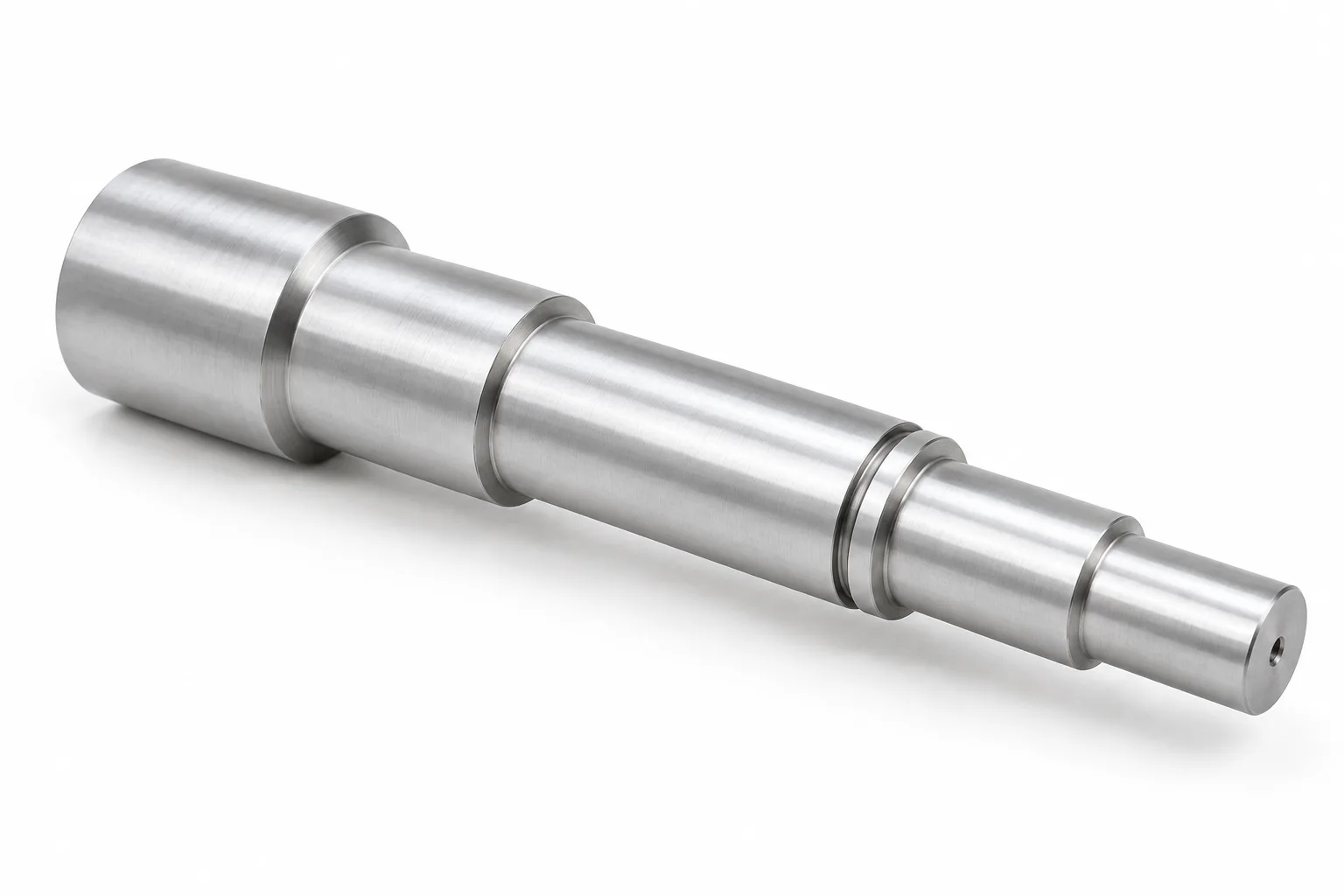
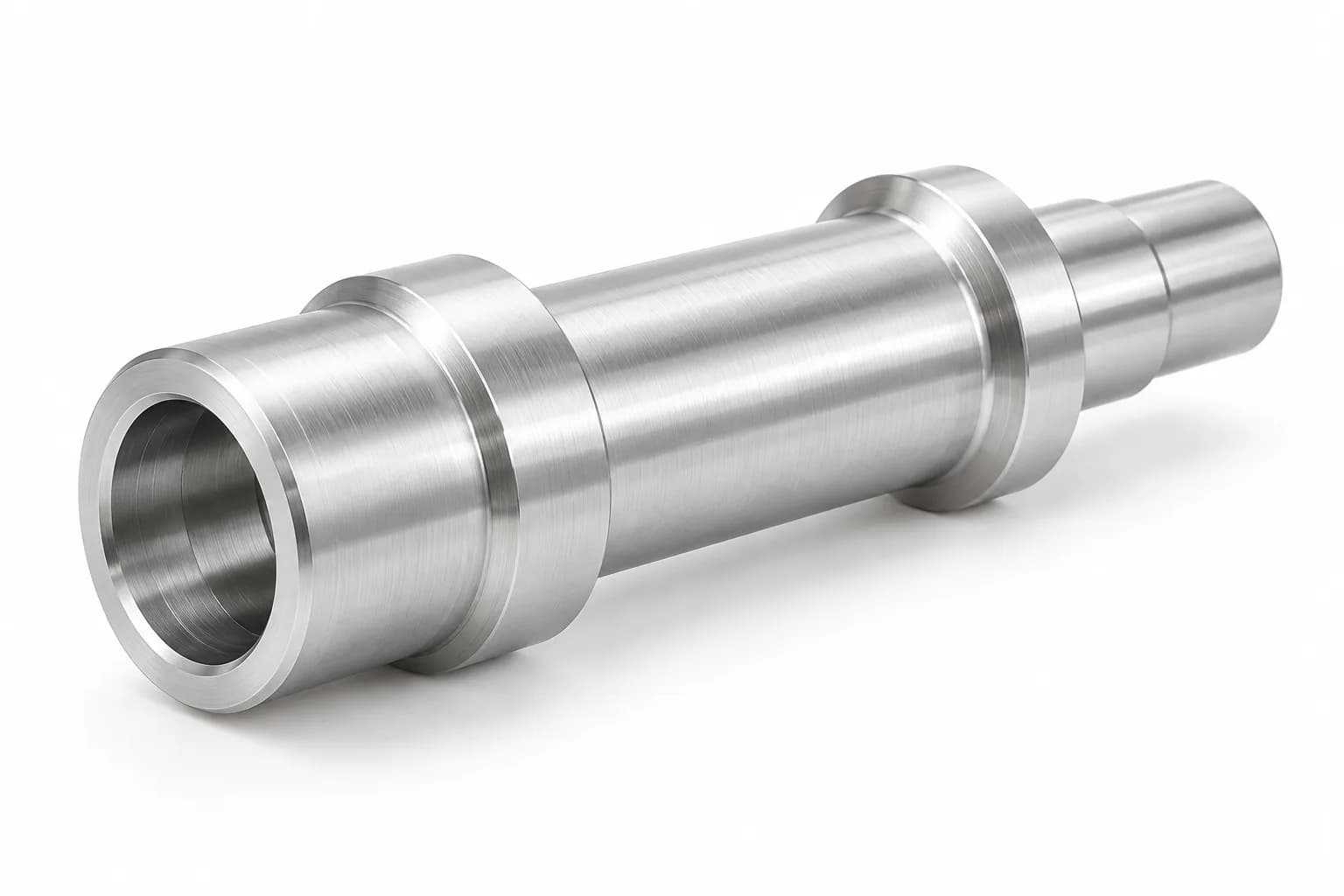
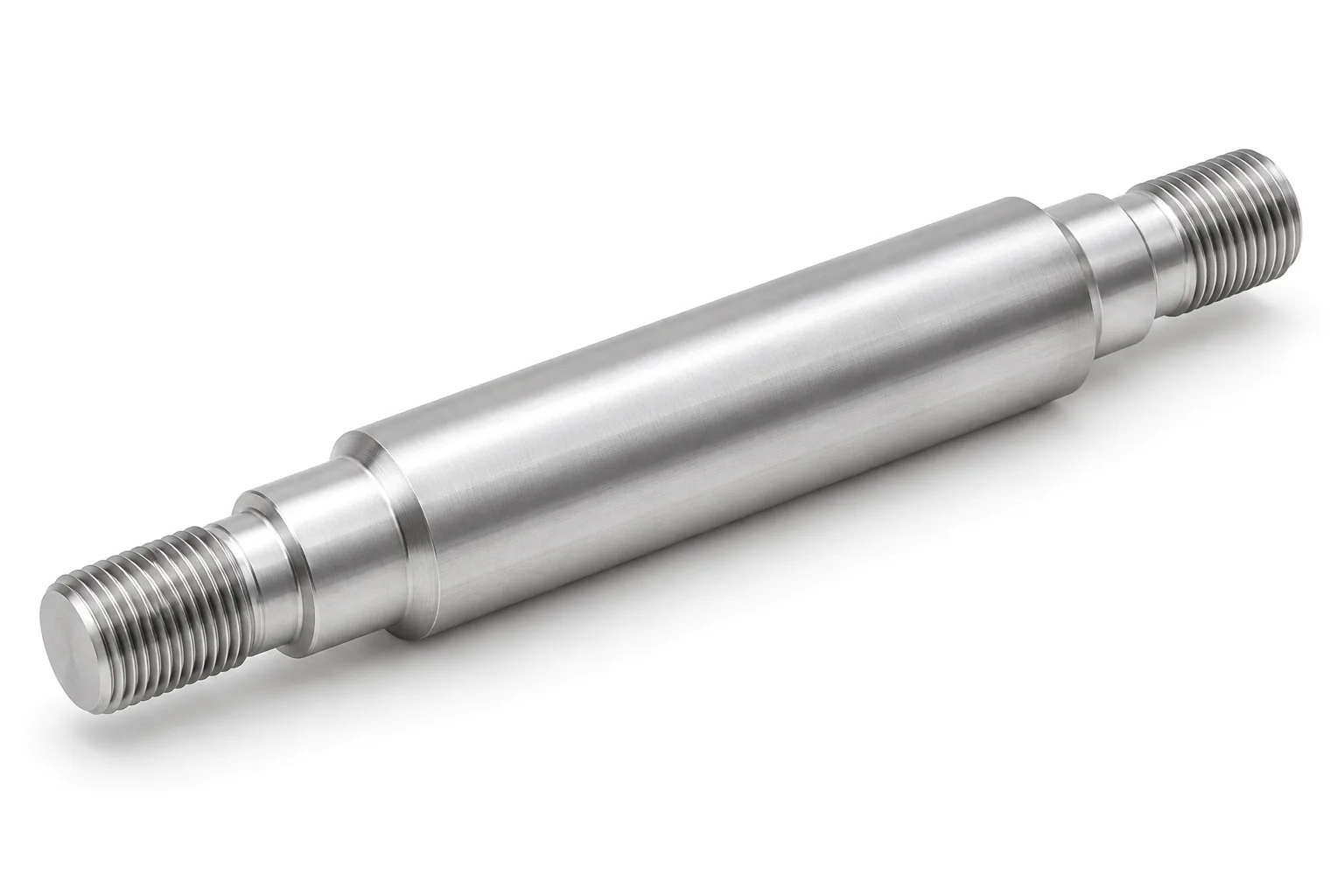
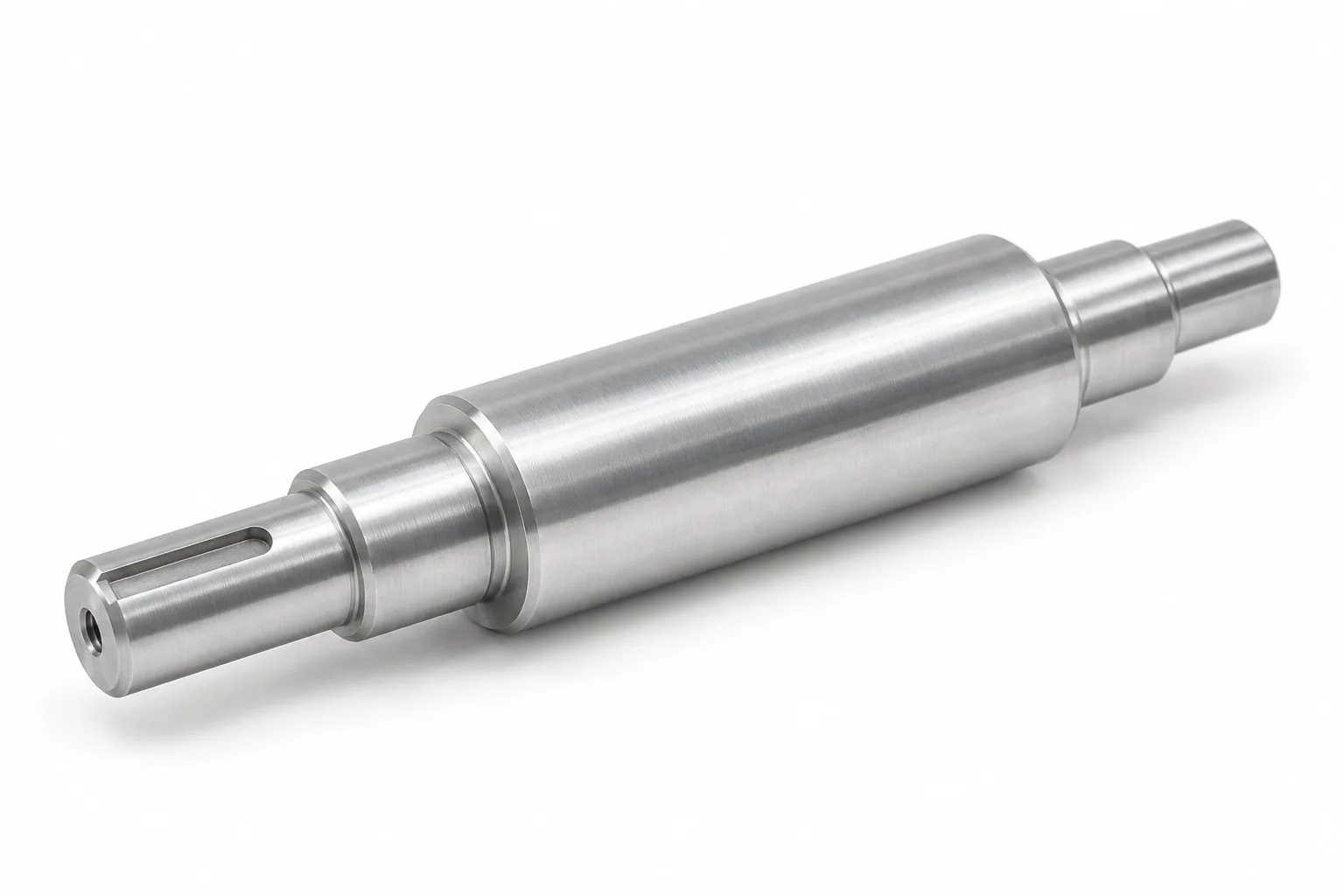
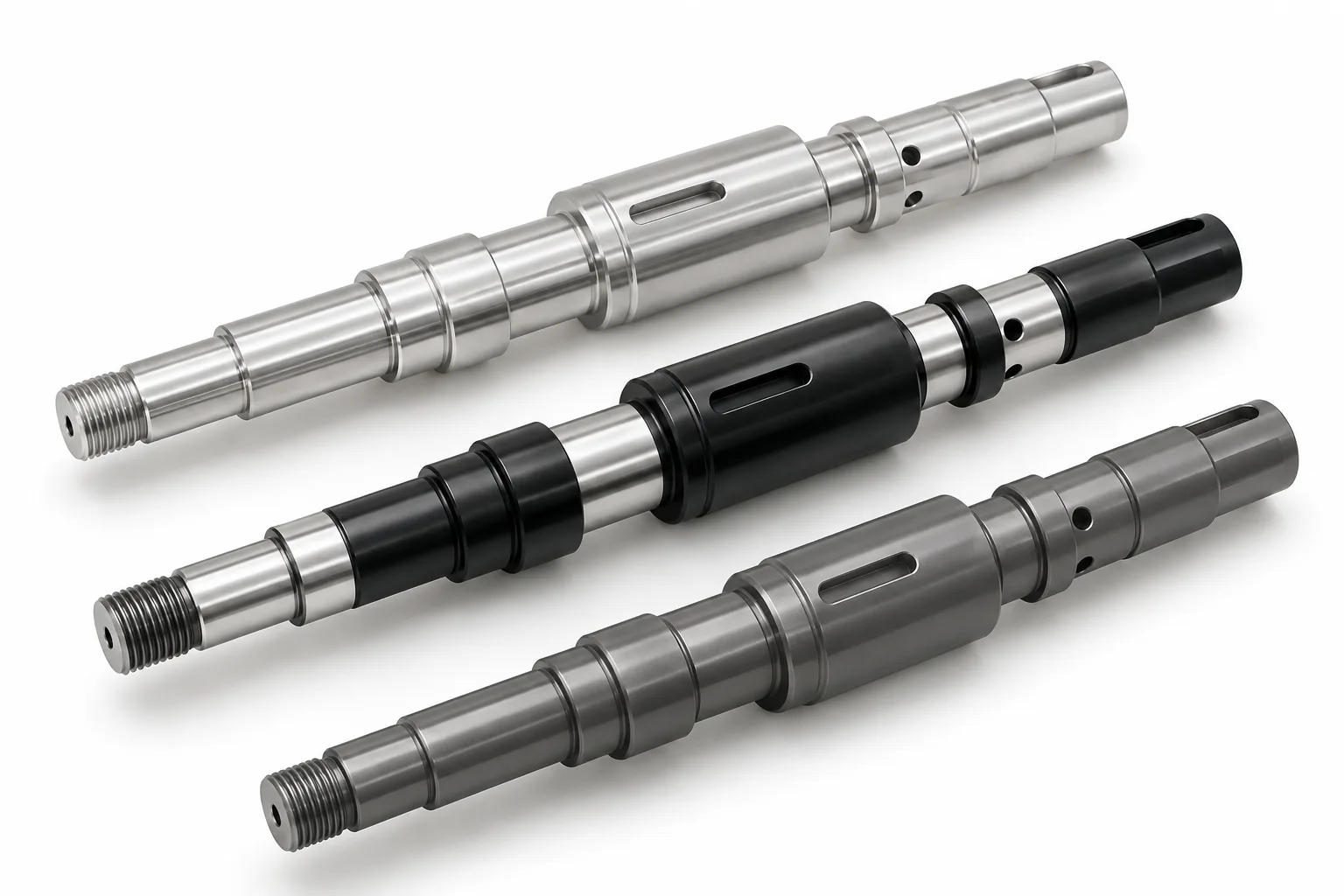
Finished silver aluminum shafts and a black anodized stepped shaft with selectively bare journals on white
  • 6061 / 7075 Aluminum
  • CNC Turning & Milling
  • Prototype to Production

What Are Custom Aluminum Shafts?

A custom aluminum shaft is a mechanical component manufactured from an aluminum alloy to meet specific geometry, dimensional tolerance, weight and assembly requirements. Aluminum shafts are considered for lightweight rotating assemblies, automation mechanisms and industrial equipment where applied loads and bearing interfaces permit their use.

Aluminum has roughly one-third the density of steel but a substantially lower elastic modulus. Weight reduction does not automatically make it suitable for every load-bearing shaft. Good thermal conductivity, machinability and appropriate corrosion resistance can support selection, while wear, stiffness and the operating environment can favor another material.

Swipe horizontally to read all columns.

Custom aluminum shaft manufacturing overview
AttributeCustom aluminum shaft scope
Manufacturing typeCustom OEM / made-to-drawing finished components
Materials6061, 7075 and other specified aluminum alloys and tempers
ProcessesCNC turning, milling, drilling, threading and finishing
ConfigurationsStraight, stepped, hollow, threaded and grooved
Functional featuresBearing seats, shoulders, keyways, threads and bores
FinishingAs-machined, anodized and other specified treatments
ProductionPrototypes, small batches and repeat orders, confirmed per project
InspectionDimensional and geometric verification to drawing requirements

This aluminum shaft manufacturer page concerns finished OEM components, not raw aluminum rods or stock. Grade, temper, geometry and acceptance requirements are reviewed together.

What Types of Aluminum Shafts Can Topshaft Manufacture?

Finished shaft geometries are reviewed against the drawing and functional requirements.

Stepped Aluminum Shafts with machined functional surfaces on white

Stepped Aluminum Shafts

Multiple diameters, shoulders and precision mounting surfaces locate components on a common axis. Define the functional journals and transition radii so machining and inspection preserve the assembly relationships rather than just individual diameters.

Explore this shaft type →
Hollow Aluminum Shafts with machined functional surfaces on white

Hollow Aluminum Shafts

Tubular configurations reduce mass where the specified bore and wall thickness permit. Review internal tool access, bore-to-journal alignment, local wall stiffness and clamping before selecting a hollow aluminum shaft instead of a solid part.

Explore this shaft type →
Threaded Aluminum Shafts with machined functional surfaces on white

Threaded Aluminum Shafts

External threads and custom connection features are machined to the required form and engagement. Specify thread class, relief, edge condition and whether final acceptance occurs before or after anodizing; repeated assembly can also influence interface design.

Explore this shaft type →
Lightweight Motor Shafts with machined functional surfaces on white

Lightweight Motor Shafts

Application-specific rotating components can use aluminum when loads, stiffness and bearing interfaces permit. Review rotor attachment, torque, speed and fatigue rather than assuming that lower mass makes aluminum suitable for every conventional motor shaft.

Explore this shaft type →
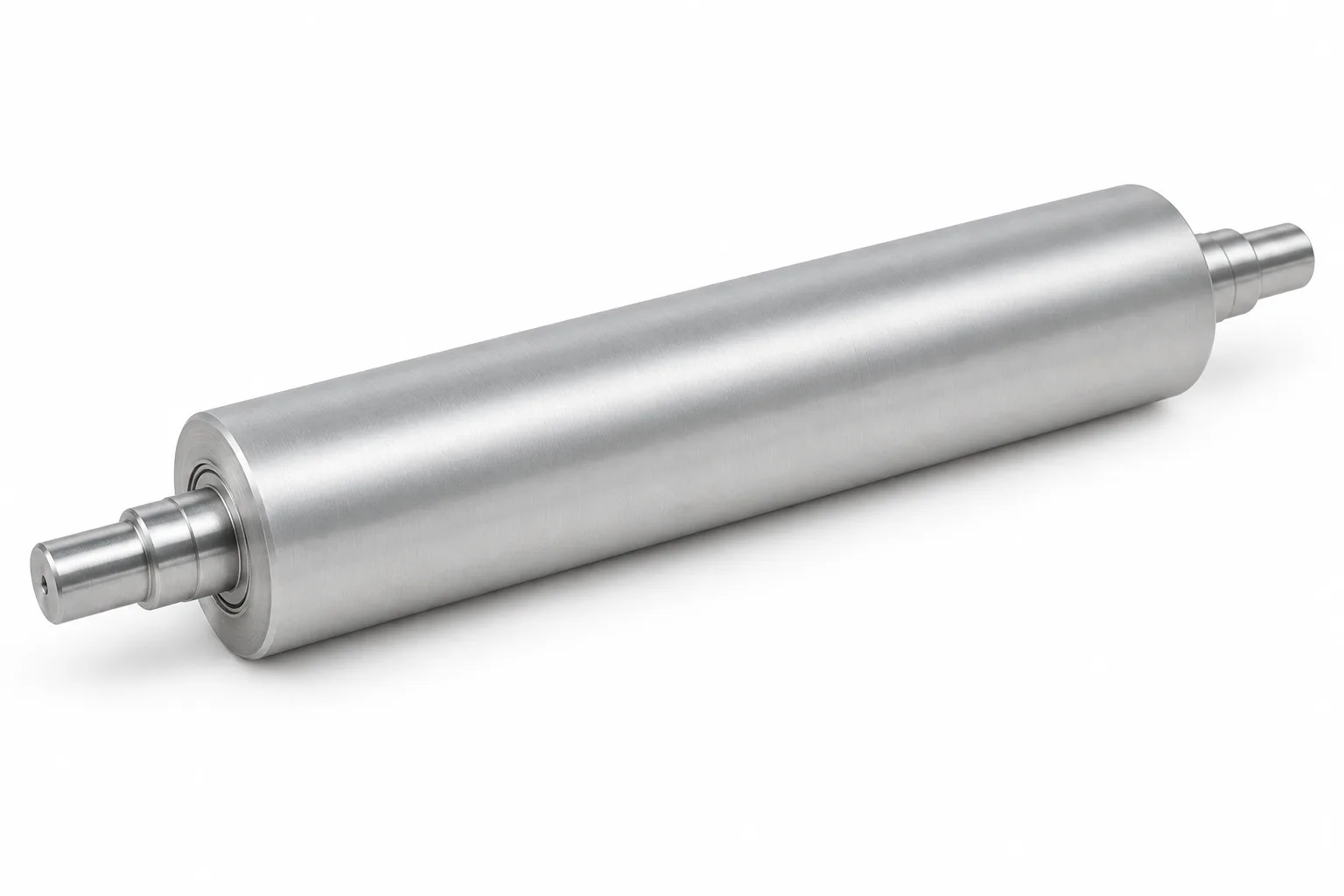
Aluminum Roller Shafts with machined functional surfaces on white

Aluminum Roller Shafts

Conveyor, packaging and material-handling mechanisms may benefit from reduced moving mass and inertia. Check support spacing, bending, journal wear and environmental exposure. The finished shaft geometry and surface requirements follow the actual roller assembly.

Explore this shaft type →
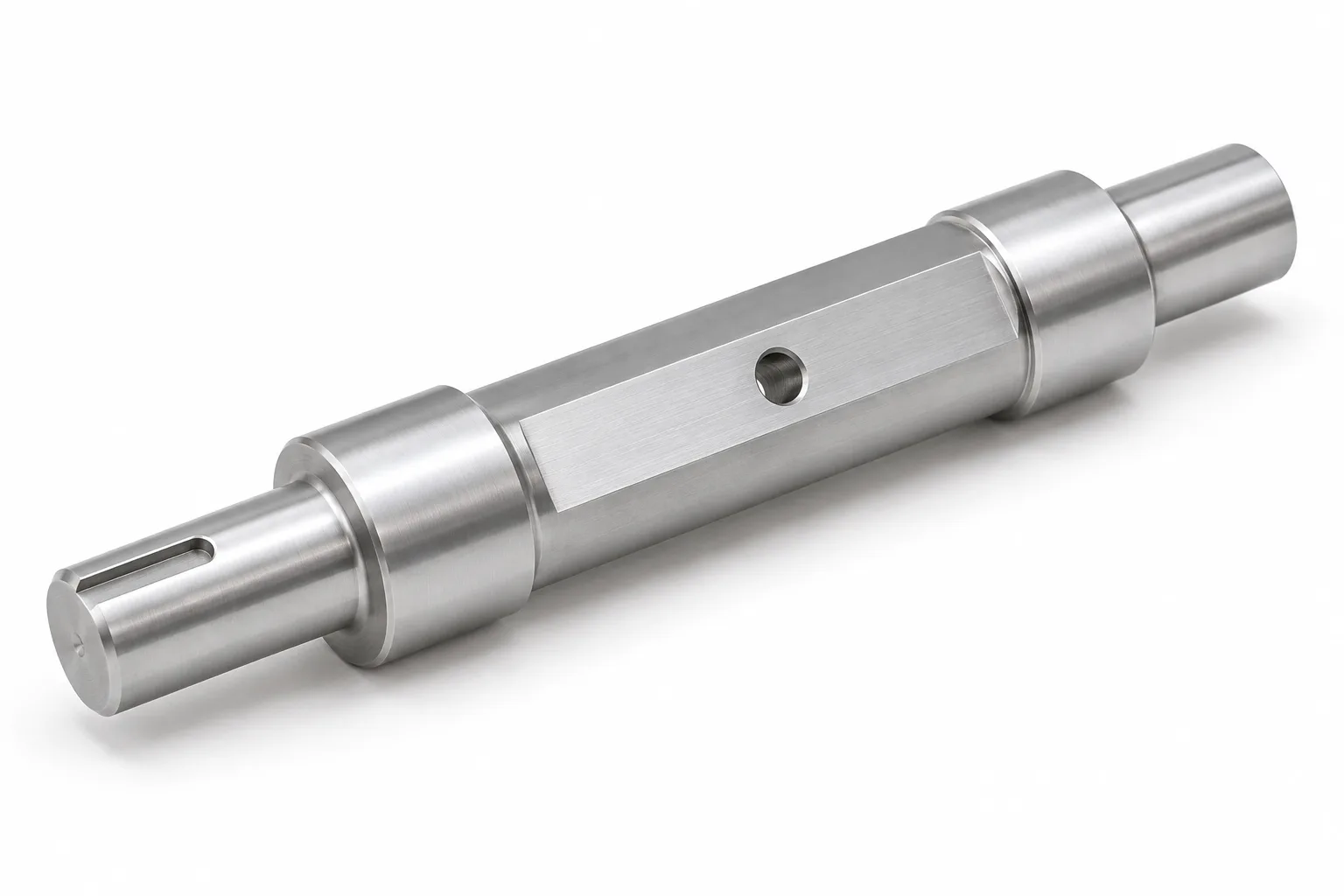
Custom Profile Shafts with machined functional surfaces on white

Custom Profile Shafts

Keyways, grooves, flats, cross holes and special profiles add attachment or positioning functions. Relate these secondary features to the working axis and identify burr-sensitive edges, stress concentrations and any surfaces that must be masked during finishing.

Explore this shaft type →

Which Aluminum Alloy Is Best for Shaft Manufacturing?

Swipe horizontally to read all columns.

Aluminum alloy grades and tempers for shaft review
Aluminum gradeMain characteristicsPotential shaft applications
6061-T6Good machinability, corrosion resistance and moderate strength; a common general-purpose starting point.Lightweight shafts where the mechanical requirements and supplied product form are suitable.
6063-T6Good corrosion resistance and surface appearance; typically lower strength than 6061-T6.Light-duty shafts and profiles where finish and available stock support the design.
6082-T6Good strength and machinability; widely used in European engineering applications.Industrial machinery shafts with the specified standard, temper and documentation.
7075-T6High strength; generally less corrosion-resistant than 6061 and more demanding of environment review.Higher-load lightweight components where strength, fatigue and protection requirements justify selection.
2024-T3Useful strength and fatigue properties; corrosion protection often needs particular attention.Specialized precision components, subject to stock-form and temper availability.
5052-H32Good corrosion resistance and formability; less commonly selected for machined shafts.Low-load, corrosion-sensitive components where the specified stock form is available and appropriate.

6061 vs 7075 Aluminum Shafts: Which Should You Choose?

6061 is often preferred for cost, corrosion resistance and general machinability. Consider 7075 when greater strength is required and its environmental limitations are addressed. Both have similar elastic moduli: 7075 does not substantially solve a stiffness-limited shaft design.

Specify Both Alloy and Temper

“7075 aluminum” alone may not define the mechanical condition adequately. Include the applicable standard, temper and product form. Confirm sourcing for less common shaft-stock combinations such as 2024-T3 or 5052-H32 rather than assuming that sheet properties or availability apply to bar.

Material references and engineering scope

Hydro's 6061 alloy data and Kaiser's 7075 technical data provide product-form-specific background. The chosen material standard and agreed stock condition govern acceptance; reference data do not establish Topshaft inventory or guaranteed delivered properties.

How Does Topshaft Manufacture Precision Aluminum Shafts?

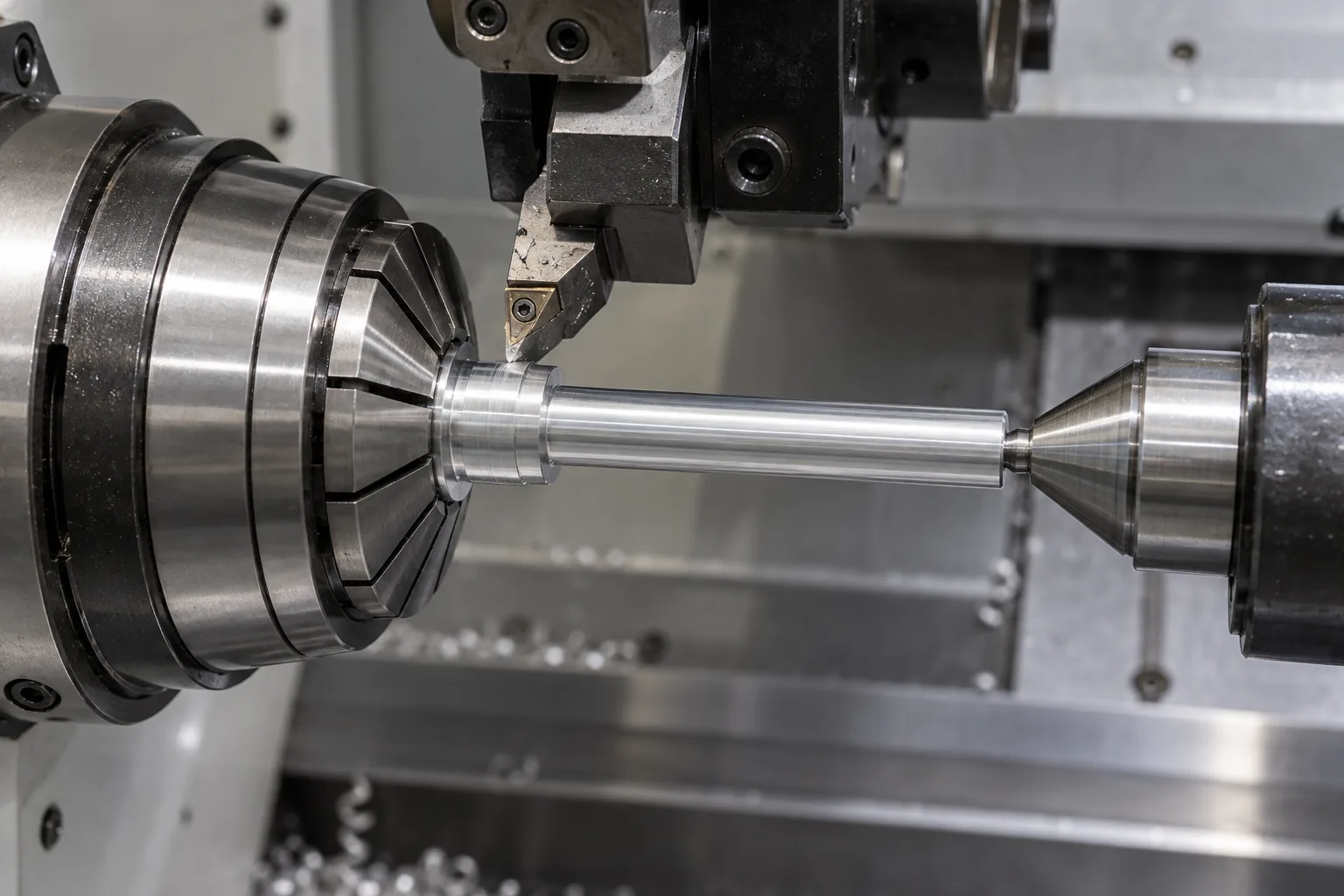
Aluminum-specific process planning addresses built-up edge, burrs, deflection, clamping marks, surface damage and temperature.

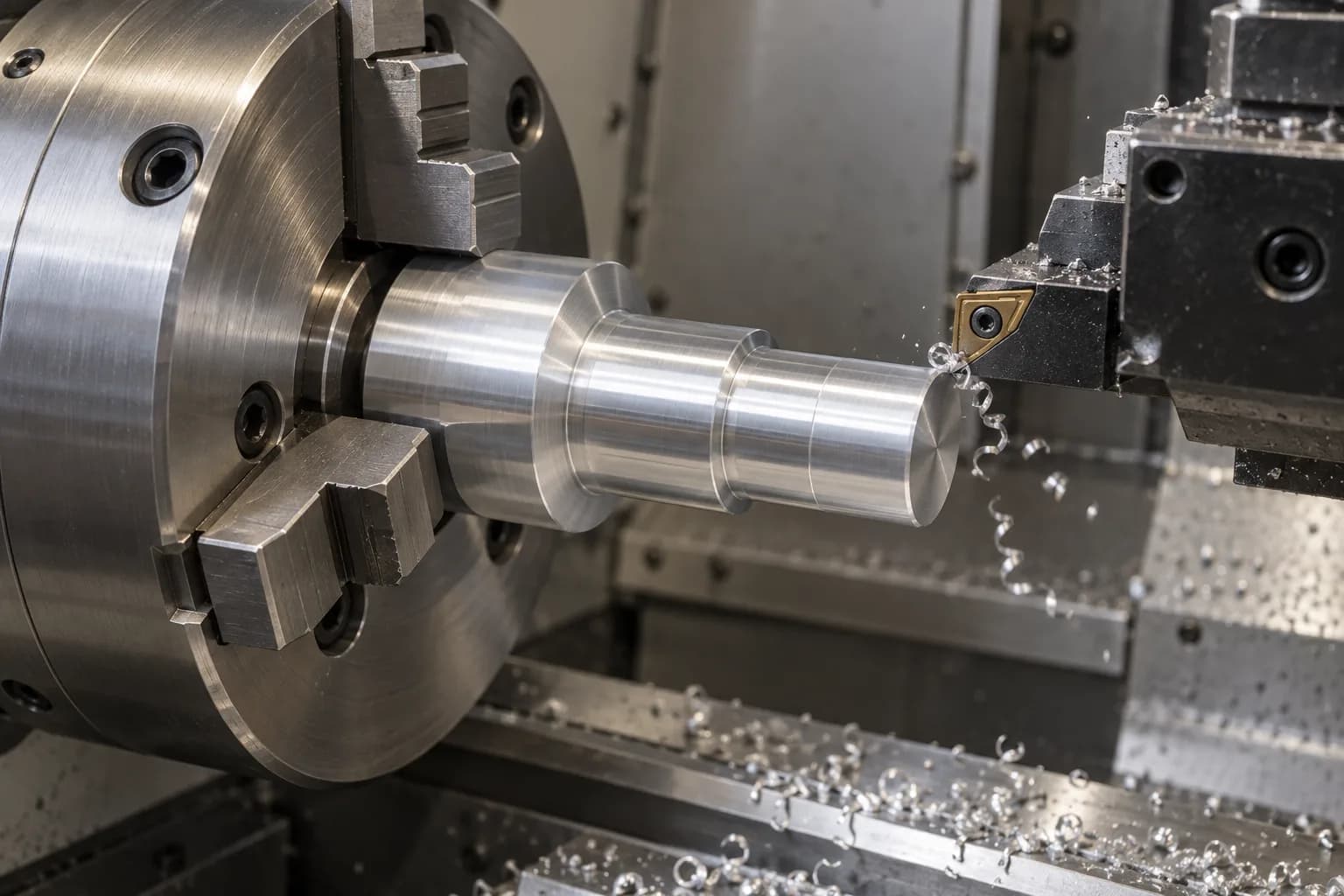
CNC Turning setup for an aluminum shaft

CNC Turning

Outer diameters, shoulders, grooves, bearing seats and threads are established around agreed datums. Aluminum shaft machining needs control of built-up edge and chip evacuation to avoid torn surfaces. Cutting strategy, tooling condition and workholding influence the finished precision aluminum shaft.

Related manufacturing information →
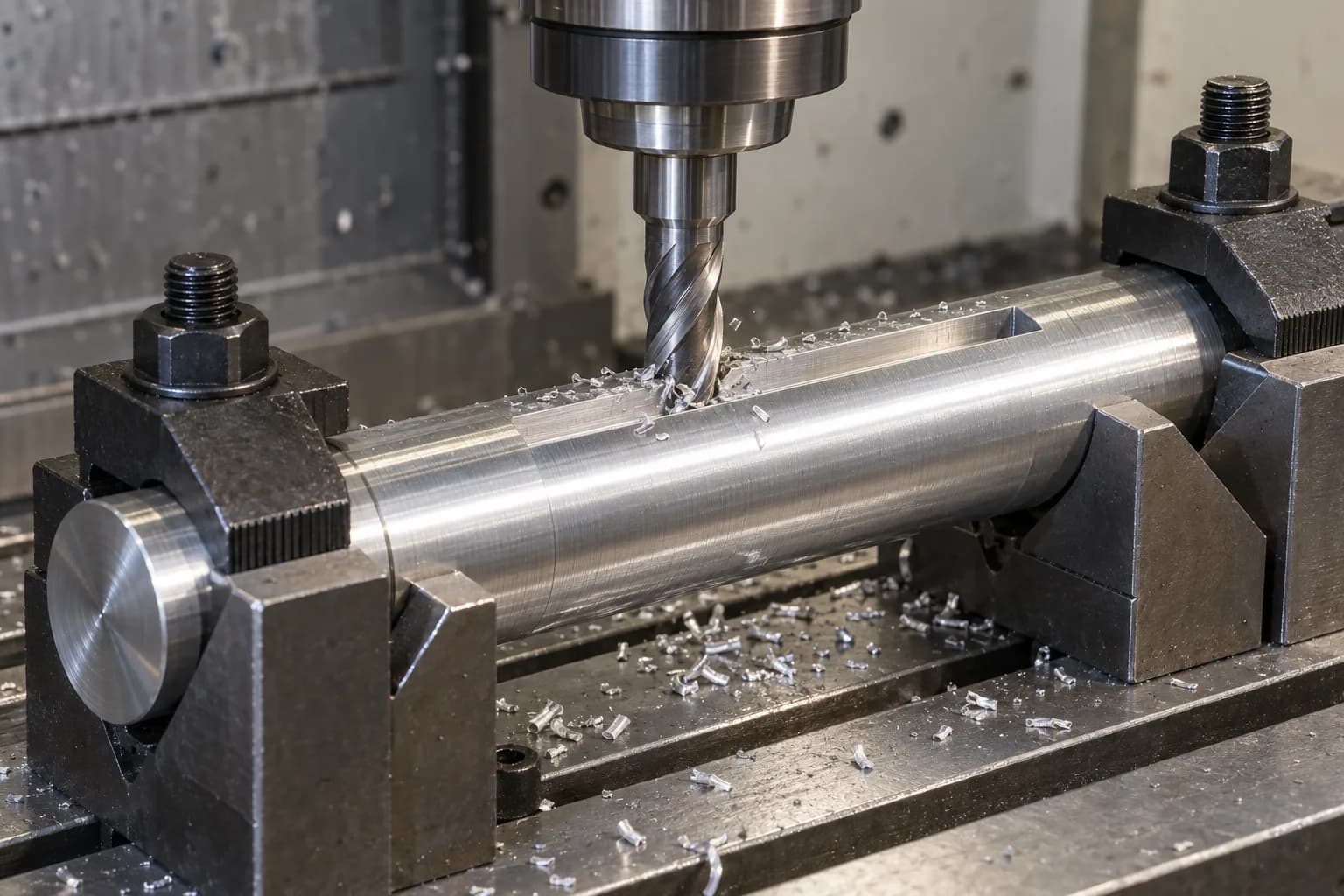
CNC Milling setup for an aluminum shaft

CNC Milling

Keyways, flats, slots, holes and non-rotational features are located from functional surfaces. Positive support helps limit clamping marks and movement. Burr formation is addressed at intersecting holes and thread exits, with edge breaks defined so deburring does not damage a fit.

Related manufacturing information →
Small-Diameter Turning setup for an aluminum shaft

Small-Diameter Turning

Slender and small-diameter components need a suitable machine setup, controlled projection and appropriate support. Tool pressure can deflect the part even when the alloy has high strength. Confirm straightness and roundness after releasing the workholding rather than only while the shaft is clamped.

Related manufacturing information →
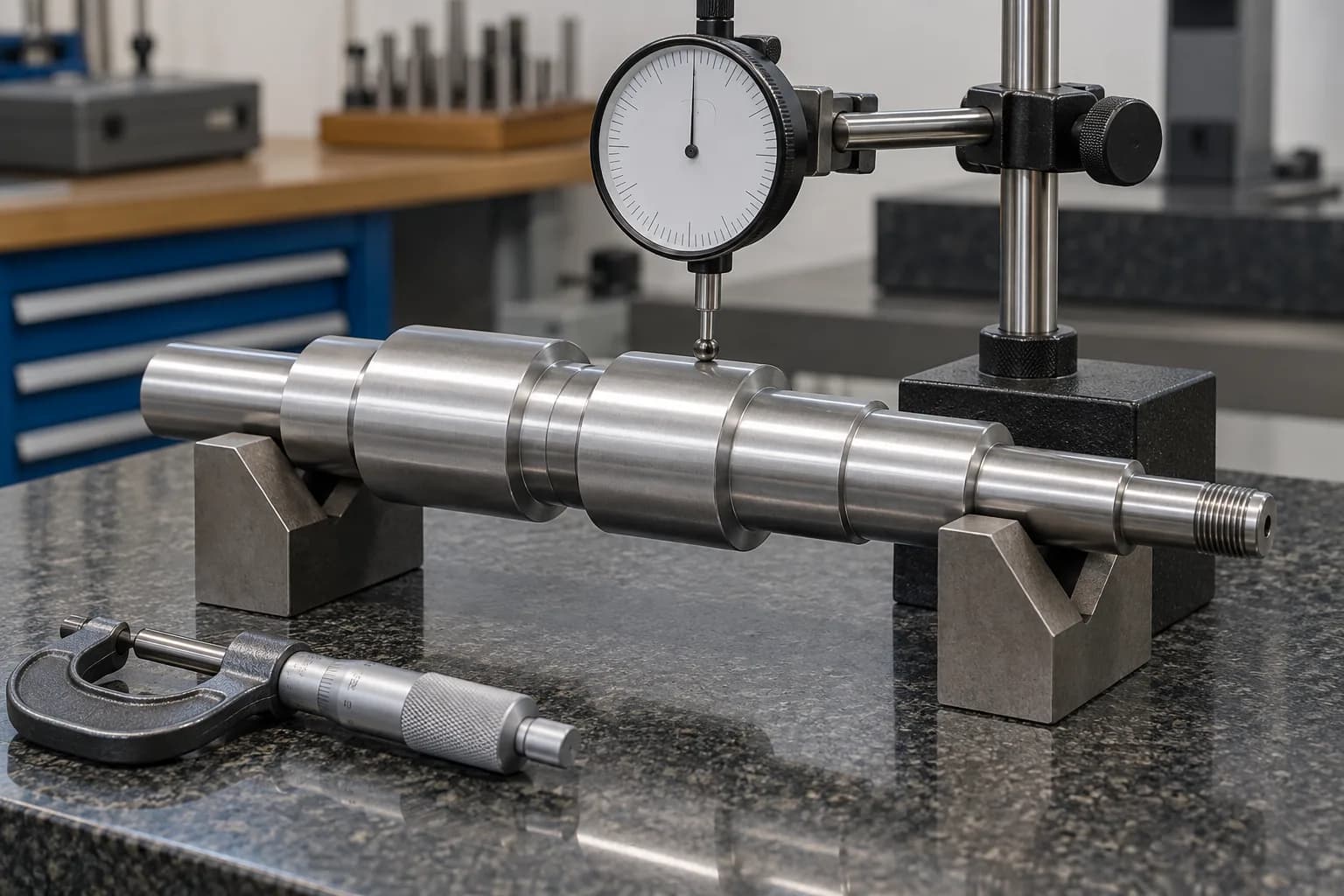
Aluminum shaft supported on V-blocks with an indicator touching the journal

Precision Inspection

Critical diameters, runout, straightness, surface condition and geometric relationships are checked with suitable methods. Aluminum is susceptible to handling damage and temperature-related dimensional changes. Establish the measurement condition and check the agreed final state after any specified anodizing or other finishing.

Related manufacturing information →

Aluminum Shaft Manufacturing Specifications

Swipe horizontally to read all columns.

Aluminum shaft technical specifications and tolerances
SpecificationDrawing-based requirement
Material6061-T6, 7075-T6 and drawing-specified alloys; grade, temper and stock form confirmed.
DiameterDrawing-specific, subject to stock and machining capacity.
LengthConfirmed after geometry, support and slenderness review.
Dimensional toleranceEvaluated against size, material, process and functional requirements.
Runout / coaxialityControlled according to specified datums and drawing requirements.
Surface roughnessFunctional-surface-specific, with the measurement method agreed.
Thread typesMetric, imperial and customer-specified forms and fits.
AnodizingType II or Type III where applicable, with masking and final dimensions confirmed.
InspectionCritical dimensions, geometric characteristics and surface condition to the agreed scope.

No universal ±0.005 mm promise applies to every aluminum shaft. Long, slender geometries and anodized bearing surfaces may require special planning; feasibility follows the actual drawing and final inspection condition.

What Surface Finishes Are Available for Aluminum Shafts?

As-Machined

Suitable when the machining finish meets the functional requirement. Specify roughness on working surfaces and distinguish cosmetic expectations from bearing or seal performance. Handling and packaging must protect soft aluminum journals from scratches and dents.

Type II Anodizing

A commonly used decorative and corrosion-protective finish, available in specified clear or dyed appearances where compatible. Agree color, appearance, coating requirements and contact locations; nominal color names alone do not define an exact visual match.

Type III Hard Anodizing

A harder oxide surface can be considered for selected wear-sensitive applications. Review alloy compatibility, thickness, sealing, roughness and contact conditions. Hard anodizing does not universally eliminate wear or give an aluminum core the stiffness or load capacity of hardened steel.

Polishing & Deburring

Refine edges and specified surfaces without rounding critical shoulders or altering journal dimensions. Polishing is not a substitute for a controlled diameter or geometry requirement. Agree any pre-anodizing texture and cosmetic inspection criteria before finishing.

Silver as-machined, black anodized with bare journals, and dark gray aluminum shaft finish appearances

Plan Fits After Anodizing

Anodizing converts surface aluminum to oxide that grows partly inward and partly outward relative to the original surface. Pretreatment also influences net dimensional change. Specify whether bearing fits, precision bores and threaded interfaces are accepted before or after anodizing.

Agree masking, coating requirements, contact locations and final inspection. Do not assume one fixed growth allowance works for every alloy and process. Consult the Aluminum Anodizers Council's technical FAQ for background; use the agreed finishing specification for the component.

What Should Engineers Consider When Designing Aluminum Shafts?

Stiffness, bending and torsion

Check elastic deflection and torsional deformation as well as strength. For identical geometry, aluminum generally deflects more than steel. A larger diameter or changed support span may be needed; substituting 7075 for 6061 alone does not substantially solve a stiffness-limited design.

Fatigue and local features

Assess load cycles, reversals, keyways, shoulder fillets and grooves together. Static yield strength is not a complete fatigue criterion. The design must address the actual surface state, stress concentrations and operating life rather than treating a smooth material specimen as the finished shaft.

Bearing journals, wear and press fits

Review contact pressure, interface wear, interference, assembly method and retention. Steel mating parts can behave differently from aluminum during heating. Anodizing may change friction and dimensions; consider compatible sleeves or alternative materials when a bare aluminum journal cannot meet duty.

Temperature and galvanic corrosion

Aluminum expands more than steel for a comparable temperature change, affecting tight fits and alignment. Dissimilar-metal contact in an electrolyte can cause galvanic corrosion. Consider isolation, drainage, protection and the operating medium; corrosion resistance is not immunity in every environment.

Aluminum vs Steel: Approximate Material Properties

Swipe horizontally to read all columns.

Representative aluminum and carbon steel material properties
PropertyCommon aluminum alloysCarbon steel
DensityApproximately 2.7–2.8 g/cm³Approximately 7.85 g/cm³
Elastic modulusApproximately 69–72 GPaApproximately 200–210 GPa
Thermal expansionApproximately 22–24 × 10⁻⁶/KApproximately 11–13 × 10⁻⁶/K

Representative ranges near room temperature; exact values depend on grade, temper and temperature. They are not acceptance limits. At identical geometry, aluminum offers substantial mass reduction but greater elastic deflection—especially relevant to long shafts, high-speed assemblies and tight bearing fits.

Aluminum vs Steel vs Titanium: Which Material Is Best for Your Shaft?

Swipe horizontally to read all columns.

Aluminum, steel and titanium shaft material comparison
FactorAluminumSteelTitanium
Weight at equal volumeLowHighIntermediate
Elastic stiffness at equal geometryLowerHighIntermediate
StrengthGrade- and temper-dependentWide range across grades and conditionsHigh in selected alloys and conditions
Corrosion resistanceGenerally good; environment and alloy matterVaries considerably; protection may be neededExcellent in many environments, not all
MachinabilityGenerally favorable with suitable toolingGrade- and condition-dependentOften challenging; process planning is important
Typical component costModerate; geometry and finishing matterOften lower, depending on grade and routeGenerally high
Primary advantageLow weight and machinabilityStiffness and load capacityStrength-to-weight ratio in appropriate alloys

Titanium shafts require their own alloy, condition, machining and acceptance review. Review the Titanium Shafts material guide and send your drawing rather than assuming availability or application qualification.

Where Are Custom Aluminum Shafts Used?

Potential application directions, not claims of delivered projects or approvals.

01

Robotics

Lightweight positioning and motion mechanisms can benefit from reduced moving mass. Check positioning stiffness, acceleration, fatigue and attachment features before selecting the alloy.

Review related requirements →
02

Automation

Custom guide and actuator components can combine machinability with lower weight. Review alignment, contact wear and duty cycle at the actual sliding or rotating interface.

Review related requirements →
03

Packaging Machinery

Roller and conveyor shafts may use lower inertia and suitable corrosion resistance. Support spacing and cleaning exposure remain part of the material and finish review.

Review related requirements →
04

Industrial Machinery

Specialized drive and positioning parts can use lightweight construction where stiffness and load allow. Aluminum is not a universal replacement for heavily loaded transmission shafts.

Review related requirements →
05

Aerospace-Related Equipment

Noncritical fixtures and specifically defined mechanisms may prioritize weight reduction. Applicable approvals, material records and acceptance requirements must be agreed; this is not a claim of flight-critical qualification.

Review related requirements →
06

Electric Motors

Application-specific lightweight rotating components require review of torque, speed, fatigue, stiffness and bearing requirements. Conventional high-torque motor duty should not be inferred from an aluminum product image.

Review related requirements →

How Does Topshaft Manufacture Custom Aluminum Shafts From Drawings?

A coordinated six-step route converts engineering requirements into a finished component.

  1. 01

    Drawing Review

    Confirm geometry, alloy, temper, tolerances, quantity and the drawing revision. Resolve whether critical dimensions apply after finishing.

  2. 02

    Process Planning

    Select turning, milling, workholding, support and inspection datums. Identify distortion-sensitive and damage-sensitive features early.

  3. 03

    Material Preparation

    Confirm appropriate stock form, condition, sourcing and material-documentation requirements. Do not substitute temper or product form without agreement.

  4. 04

    CNC Machining

    Produce the shaft and functional features using the planned setups. Control chips, burrs, clamping marks and surface damage.

  5. 05

    Surface Finishing

    Apply specified anodizing or other finishing, with agreed masking and contact locations. Account for pretreatment and coating growth.

  6. 06

    Inspection & Delivery

    Verify final drawing requirements and agreed records, then protect journals, threads and cosmetic surfaces for shipment.

How Does Topshaft Ensure Aluminum Shaft Quality?

Dimensions & Functional Geometry

Check diameter, overall length, bearing journals and shoulder positions. Verify runout and straightness with defined supports and datums; specify roughness where the bearing, seal or mating function requires it.

Post-Finishing Acceptance

Inspect anodized appearance and final dimensions according to the drawing's post-finishing requirements. Review masking boundaries, threads and fit surfaces. A satisfactory pre-anodizing measurement does not establish acceptance after coating.

Material & Inspection Records

Agree the required material documentation and inspection reports before quotation. Identify grade, temper, stock form and traceability scope where required. Measurement capability and report content are confirmed for the actual features, not advertised as universal accuracy or zero defects.

Why Choose Topshaft for Custom Aluminum Shafts?

Drawing-Based Engineering Review

Review material, geometry and critical requirements before confirming the route. Clarify alloy, temper, operating duty and final acceptance instead of relying on a generic aluminum designation.

Precision CNC Manufacturing

Choose turning, milling and secondary operations around the shaft design. Protect finished aluminum surfaces and coordinate features that share a functional axis or datum.

Functional Inspection

Focus inspection on drawing-defined critical dimensions and geometric relationships. Include specified surface condition and post-anodizing fit requirements in the agreed release scope.

Prototype to Repeat Production

Plan for development samples and ongoing OEM orders using the controlled drawing revision and agreed requirements. Quantity, sourcing, timing and documentation are confirmed for each project.

TOPSHAFT is the precision shaft manufacturing division of Dongguan Tops Precision Manufacture Co., Ltd., operating alongside Topsbest Precision for shaft-focused OEM projects. Review company information and request the evidence relevant to your supplier evaluation.

Frequently Asked Questions About Aluminum Shafts

01

What aluminum grade is best for shafts?

There is no single best grade. A 6061 aluminum shaft often balances machinability, corrosion resistance and cost; a 7075 aluminum shaft may offer greater strength. Compare the specified temper, stock form, stiffness, fatigue, wear and environment against the complete duty.

02

Is 6061 aluminum suitable for rotating shafts?

Yes, where loads, stiffness, fatigue and bearing interfaces permit. Review support spacing, speed, balance, attachment and wear. Lower density reduces moving mass, but lower elastic modulus than steel requires a deflection check. Alloy selection alone does not qualify the assembly.

03

What is the difference between 6061 and 7075 aluminum shafts?

7075 generally offers greater strength in a suitable temper; 6061 often favors cost, corrosion resistance and machinability. Their similar elastic moduli mean little stiffness improvement at unchanged geometry. Compare temper, environment, finishing and complete manufacturing cost.

04

Can aluminum shafts be CNC machined to tight tolerances?

Yes, subject to drawing-specific feasibility. Size, slenderness, alloy, temper, workholding, temperature and finishing affect results. Define datums, geometry and roughness separately. Long shafts and anodized bearing surfaces need particular planning; no universal tolerance applies to every CNC machined aluminum shaft.

05

Can aluminum shafts be hard anodized?

Yes, for compatible alloys and agreed surfaces. Specify Type III coating, masking, roughness and final dimensions. Oxide growth and pretreatment affect fits and threads. Hard anodizing can improve selected surface properties, but cannot universally prevent wear or make aluminum equivalent to hardened steel.

06

Are aluminum shafts suitable for motor applications?

Aluminum can suit specialized lightweight motor components when torque, speed, fatigue, stiffness and bearing requirements are satisfied—not every motor or heavily loaded transmission. Review rotor attachment, thermal behavior and mating interfaces before replacing steel.

07

Can Topshaft manufacture hollow aluminum shafts?

Topshaft reviews drawing-based hollow aluminum shafts for bore geometry, wall thickness, length, internal access and bore-to-journal relationships. Stock and support affect feasibility. Send alloy, temper, quantity and final finish; a standard tube does not automatically satisfy the finished-part specification.

08

What information is required for an aluminum shaft quote?

An aluminum shaft supplier needs your drawing or CAD model, grade, temper, quantity, tolerances, finish and anodizing requirements. Include post-finishing dimensions, masking, inspection records and delivery expectations. Describe the application and environment if material selection remains unresolved.

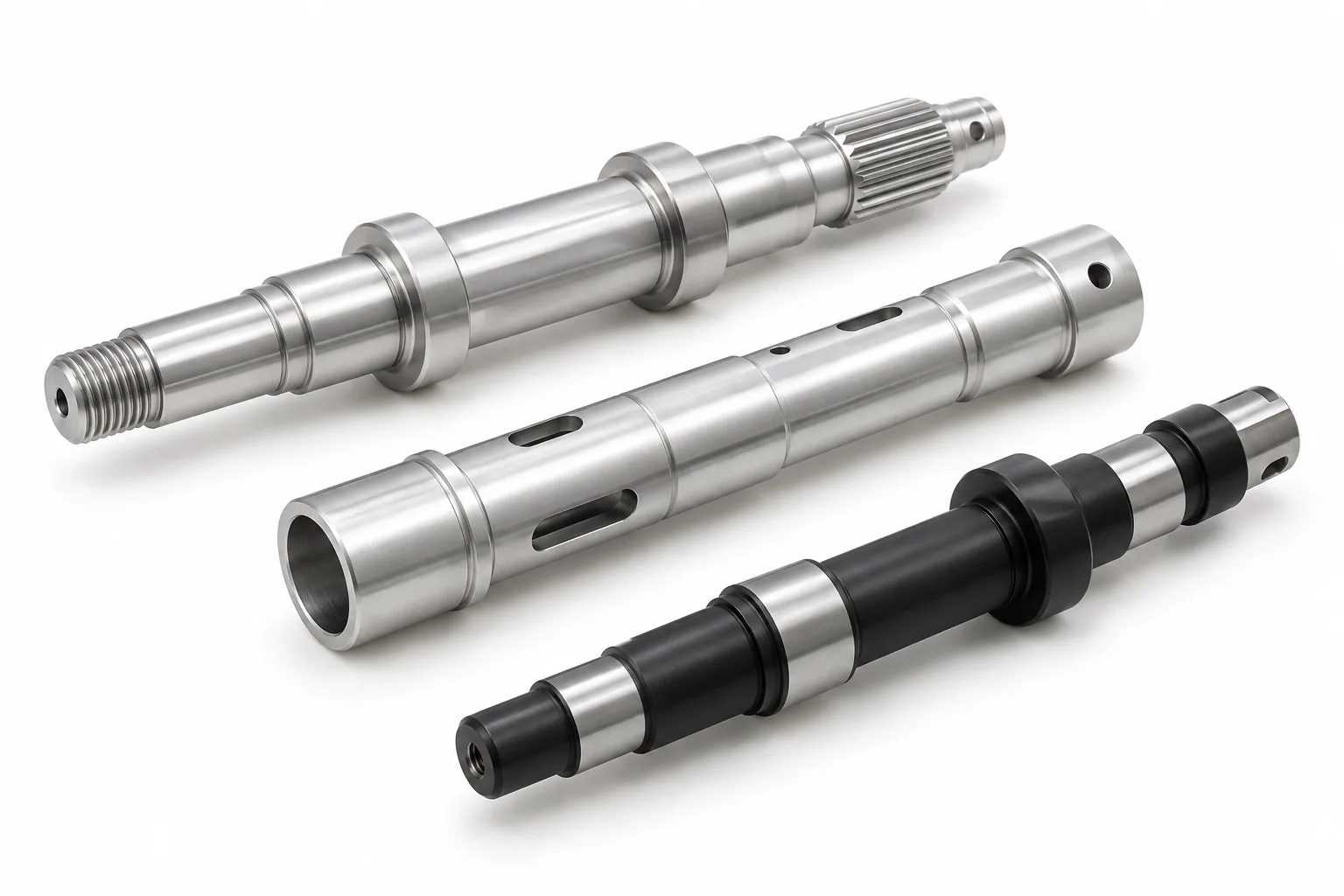
Finished Shafts Made to Your Drawing

Get a Quote for Custom Aluminum Shafts

Send your drawing or CAD model, alloy and temper, quantity, critical tolerances, finish, post-anodizing requirements, inspection scope and delivery expectations. We review feasibility before confirming the quotation.

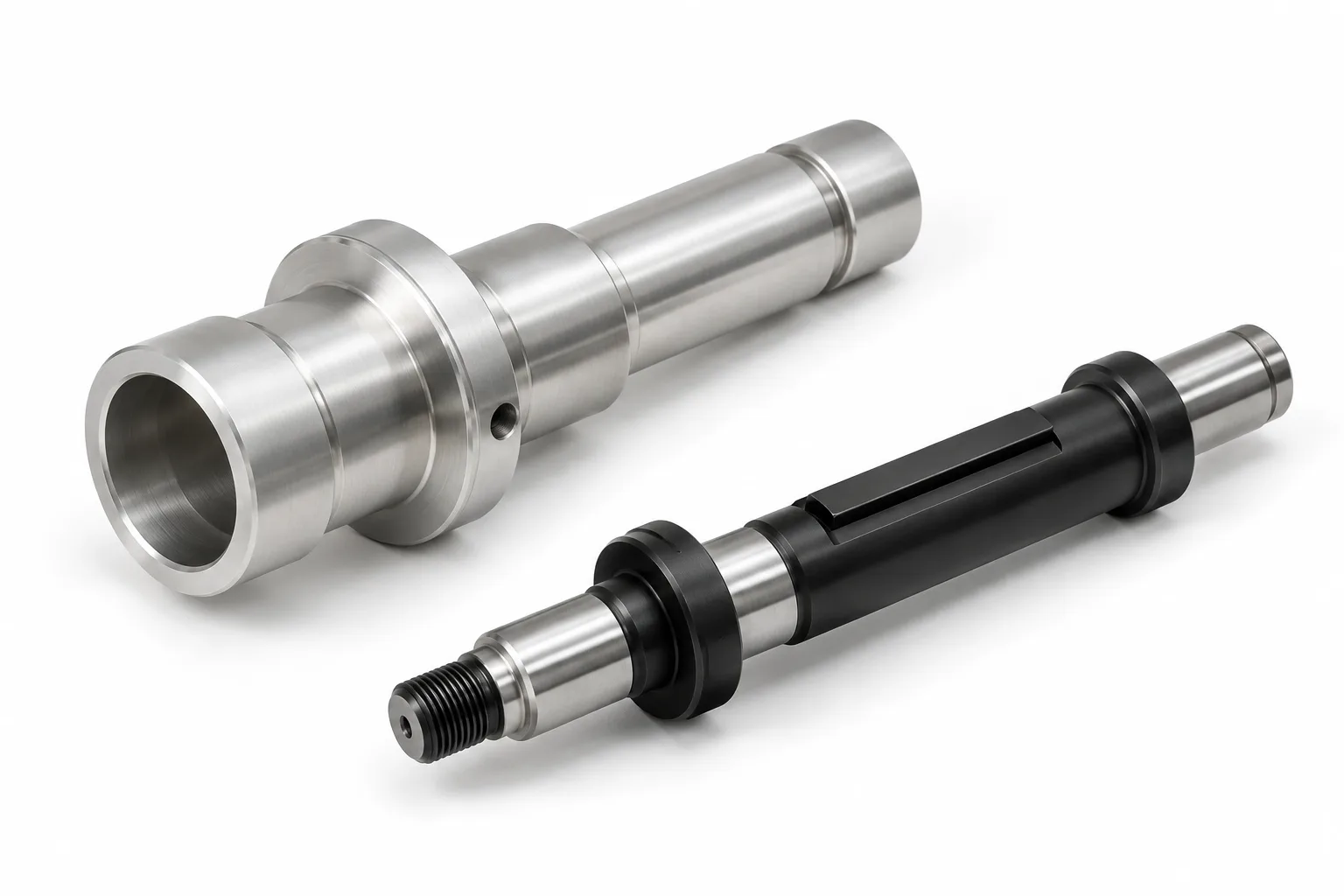
Finished hollow silver aluminum shaft and black anodized keyed shaft with bare journals on white
Contact our team →

Aluminum Shaft Drawing Review

Fields marked * are required.

Your inquiry and drawing are sent through our existing FormSubmit email service to info@tops-precision.com. Email larger files directly.