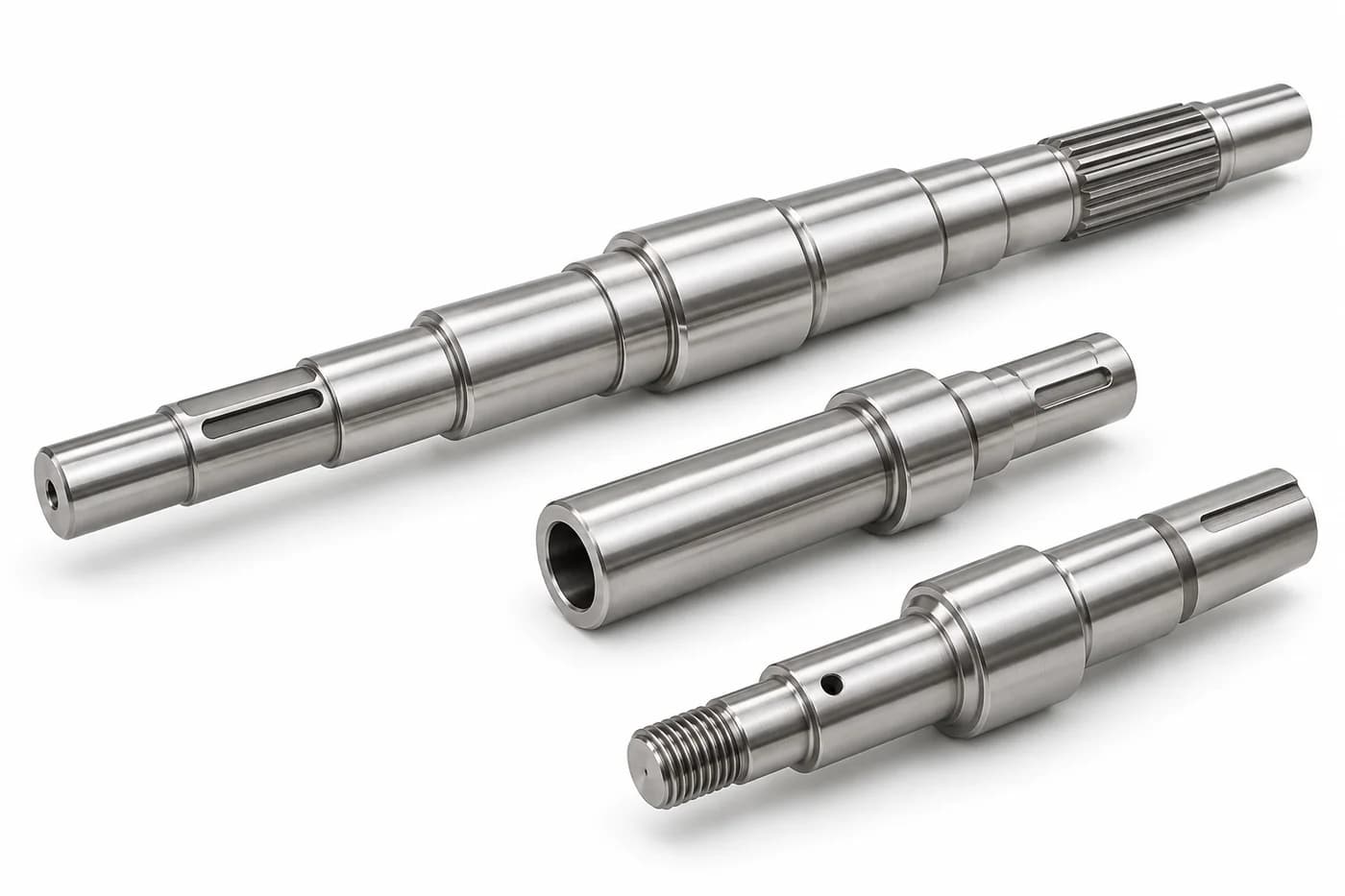
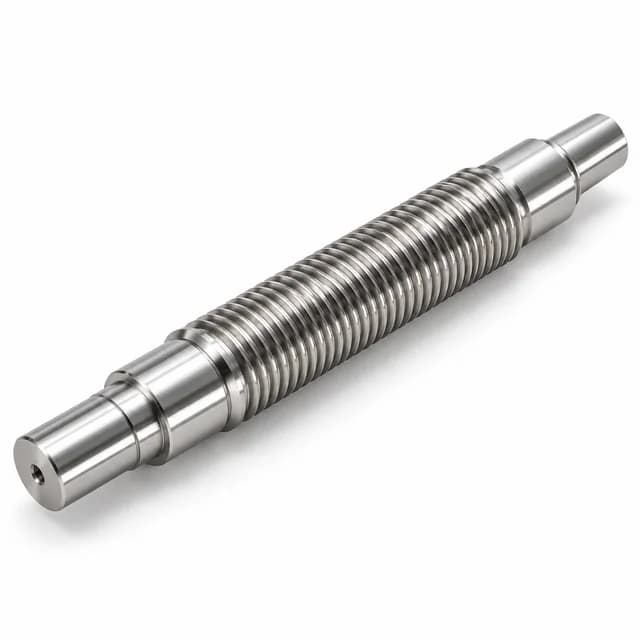
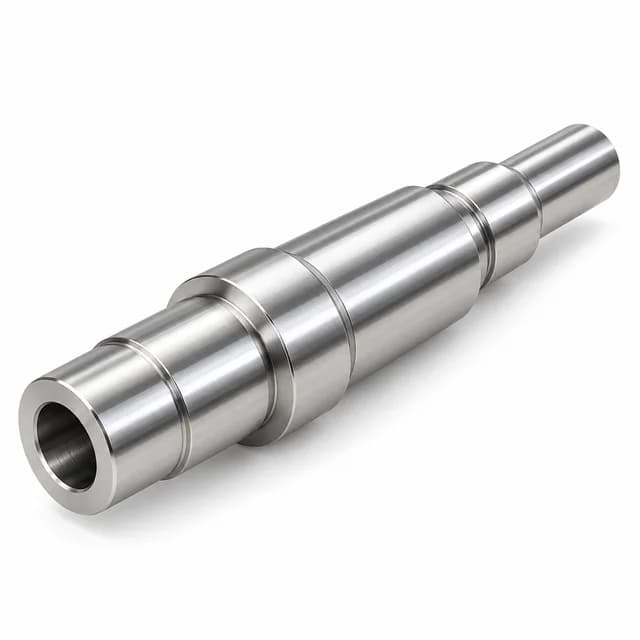
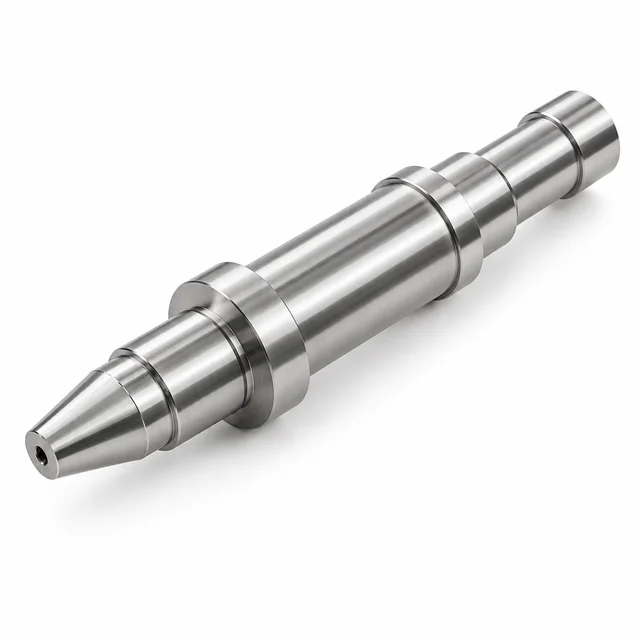
Precision stainless steel shafts manufactured to your drawings for motors, pumps, automation systems and industrial machinery. CNC turning, milling, grinding and drawing-based inspection for custom OEM projects.
Precision Stainless Steel Shaft Manufacturing for OEM Applications
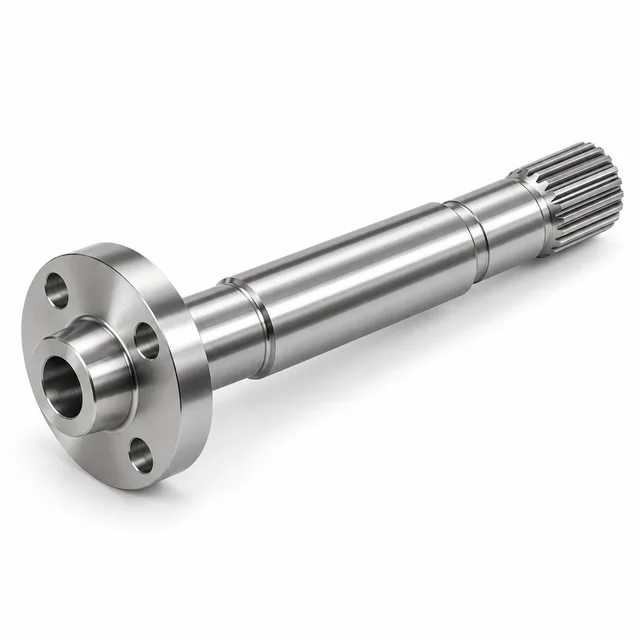
Topshaft manufactures custom stainless steel shafts to customer drawings. Material selection, the machining route and the inspection plan are reviewed against the application, functional interfaces and agreed project requirements.
From an individual bearing journal to a shaft combining bores, threads and torque-transfer features, the requirement is evaluated as a complete component. Share the grade, final condition and critical dimensions so the quotation can address the operations that actually matter. The table below is a drawing-review scope, not a stock-size catalog or a blanket capability guarantee.
Stainless steel shaft manufacturing overview
Characteristic
Drawing-based requirement
Manufacturing
Custom CNC turning, milling, grinding and secondary operations
Materials
303, 304, 316 / 316L, 420, 431 and 17-4PH, subject to drawing and availability confirmation
Shaft geometries
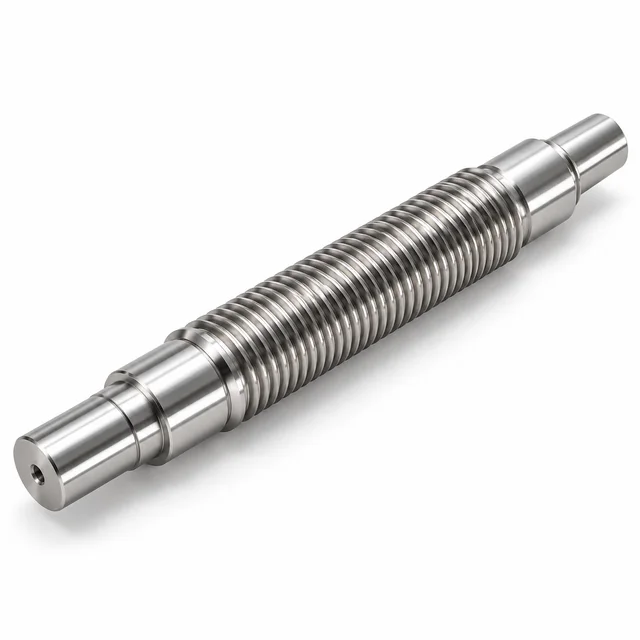
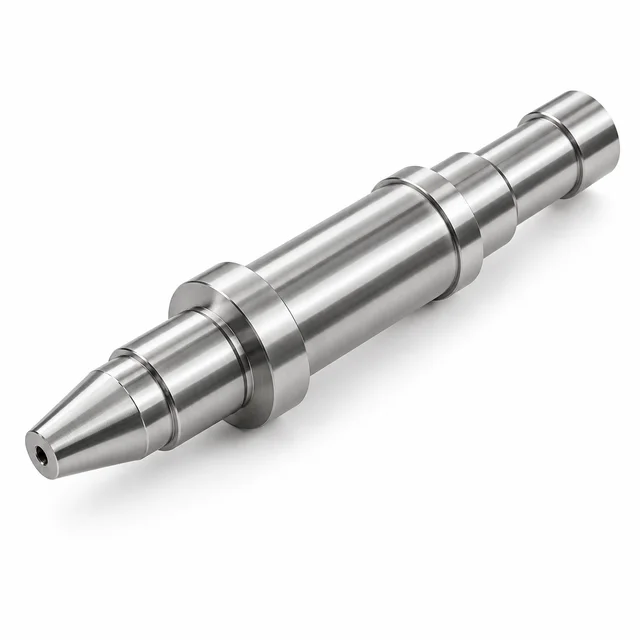
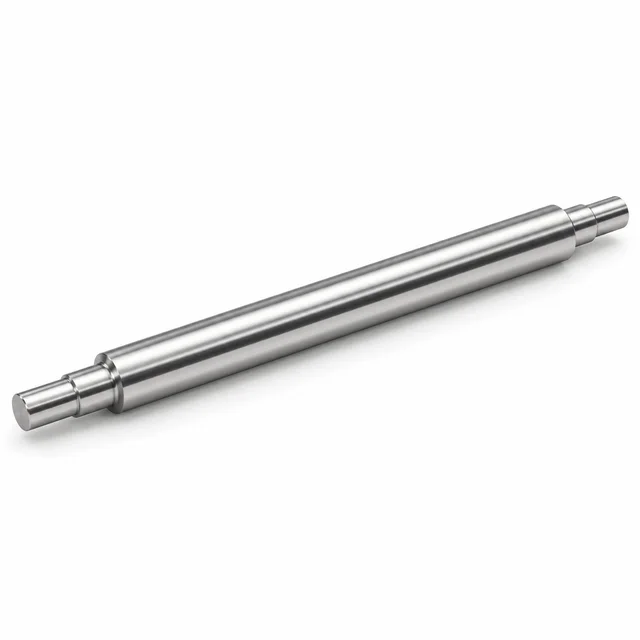
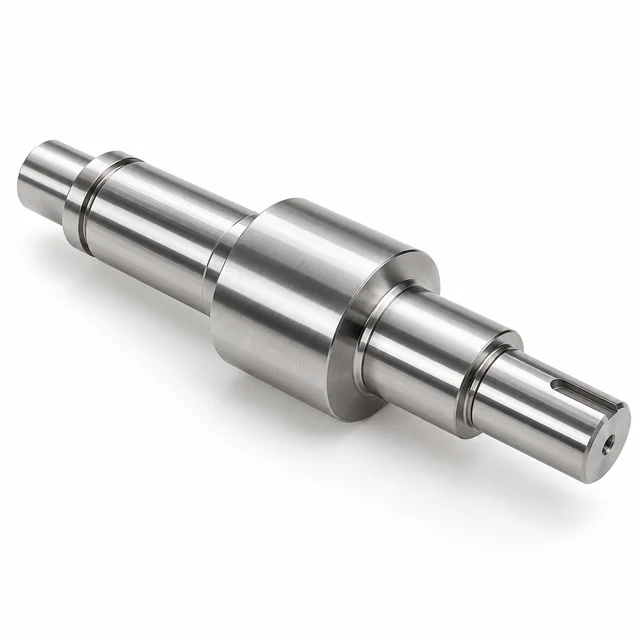
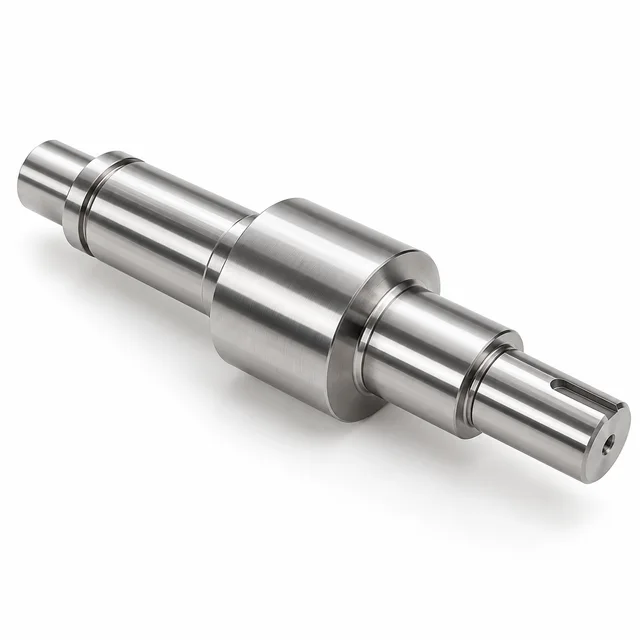
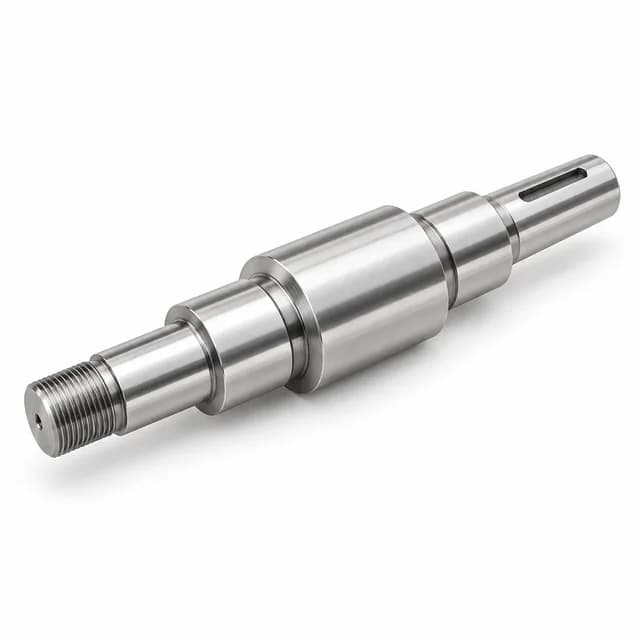
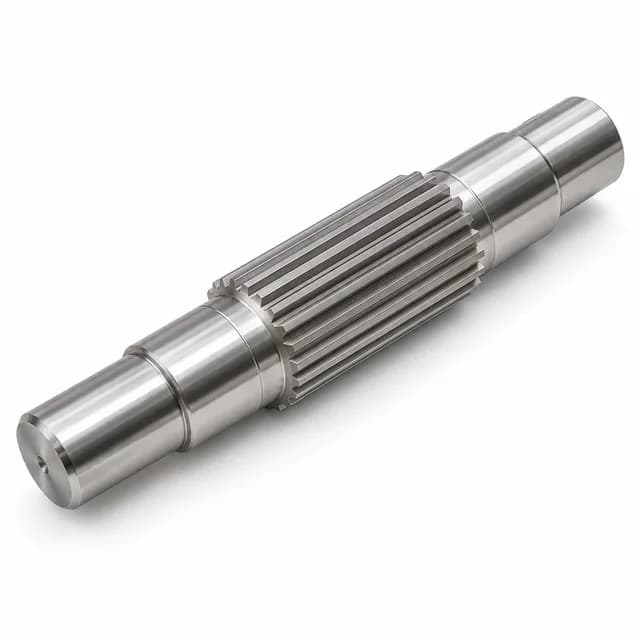
Straight, stepped, hollow, threaded, splined and keyed configurations
Production
Prototypes, small batches and repeat OEM orders
Critical features
Bearing journals, shoulders, keyways, threads and grooves
Tolerances
Drawing-based; confirmed by feature, material condition and manufacturing process
Surface finish
As-machined, polished, ground or passivated as specified
Inspection
Dimensions, runout, straightness, roughness and hardness as required
Documentation
Material and inspection records according to the agreed order requirements
Diameter, length, tolerance, lead time and process suitability are confirmed after drawing review. No universal tolerance or guaranteed delivery period is implied.
Material Selection
Stainless Steel Grades for Custom Shaft Manufacturing
Choose stainless steel by the environment and the mechanical requirement, not just the grade number. Corrosion exposure, torque, fatigue, wear, machinability and treatment condition can lead to different material choices for otherwise similar shaft geometries.
Stainless steel grade comparison
Grade
Main characteristics
Suitable shaft applications
303
A free-machining austenitic grade with excellent machinability for intricate turned features. Its machining advantage comes with reduced corrosion performance compared with 304 in some environments; review exposure before selecting it.
Precision turned shafts, instruments and components where machining complexity and the service environment support this choice.
304
A widely used austenitic stainless steel with general corrosion resistance and good availability. A 304 stainless steel shaft can suit many industrial applications, but grade selection still depends on the actual media, loads and required surface condition.
Industrial machinery, automation assemblies and general mechanical shafts.
316 / 316L
Molybdenum-bearing austenitic grades with improved resistance to chloride-related pitting compared with 304. The lower-carbon 316L condition may be relevant to specified fabrication requirements; it is not a blanket guarantee of suitability for every corrosive environment.
Pump shafts, fluid-handling equipment and marine-related machinery after environmental review.
420
A martensitic stainless steel that can be heat treated for hardness. Specify the required condition and finished properties: hardness, corrosion resistance and machining sequence must be considered together rather than treating the grade name as the final requirement.
Wear-resistant shafts and selected spindle components with an approved heat-treatment route.
431
A heat-treatable martensitic stainless grade offering useful strength, toughness and corrosion resistance. The selected heat-treatment condition and actual section geometry remain important to the final mechanical performance and manufacturing plan.
Pump shafts and higher-strength mechanical shafts where the specified condition is appropriate.
17-4PH
A precipitation-hardening stainless steel used for high-strength components. A 17-4PH stainless steel shaft must be ordered with the required material and heat-treatment condition; strength, toughness and corrosion performance vary with that condition.
High-load precision shafts and aerospace-related component designs, subject to project-specific qualification requirements.
304 vs. 316 Stainless Steel Shafts
316 is generally preferred where greater resistance to chloride-related pitting is required. Actual suitability still depends on concentration, temperature and operating conditions. Review the complete exposure rather than describing a 316 stainless steel shaft as universally corrosion-proof.
420 vs. 17-4PH Stainless Steel Shafts
420 may be selected for hardened wear surfaces. 17-4PH offers a different balance of strength, toughness and corrosion resistance depending on the heat-treatment condition. Specify the required condition and performance instead of assuming the two grades are interchangeable.
Combine the right material with the geometry your assembly needs. These shaft families link to the existing product pages; the stainless grade and manufacturing route are confirmed for each drawing.
CNC Machining Capabilities for Stainless Steel Shafts
Stainless steel shaft machining requires attention to the grade, feature access and the sequence of operations. The objective is to produce the drawing-defined geometry while maintaining the required material and surface condition.
CNC Turning
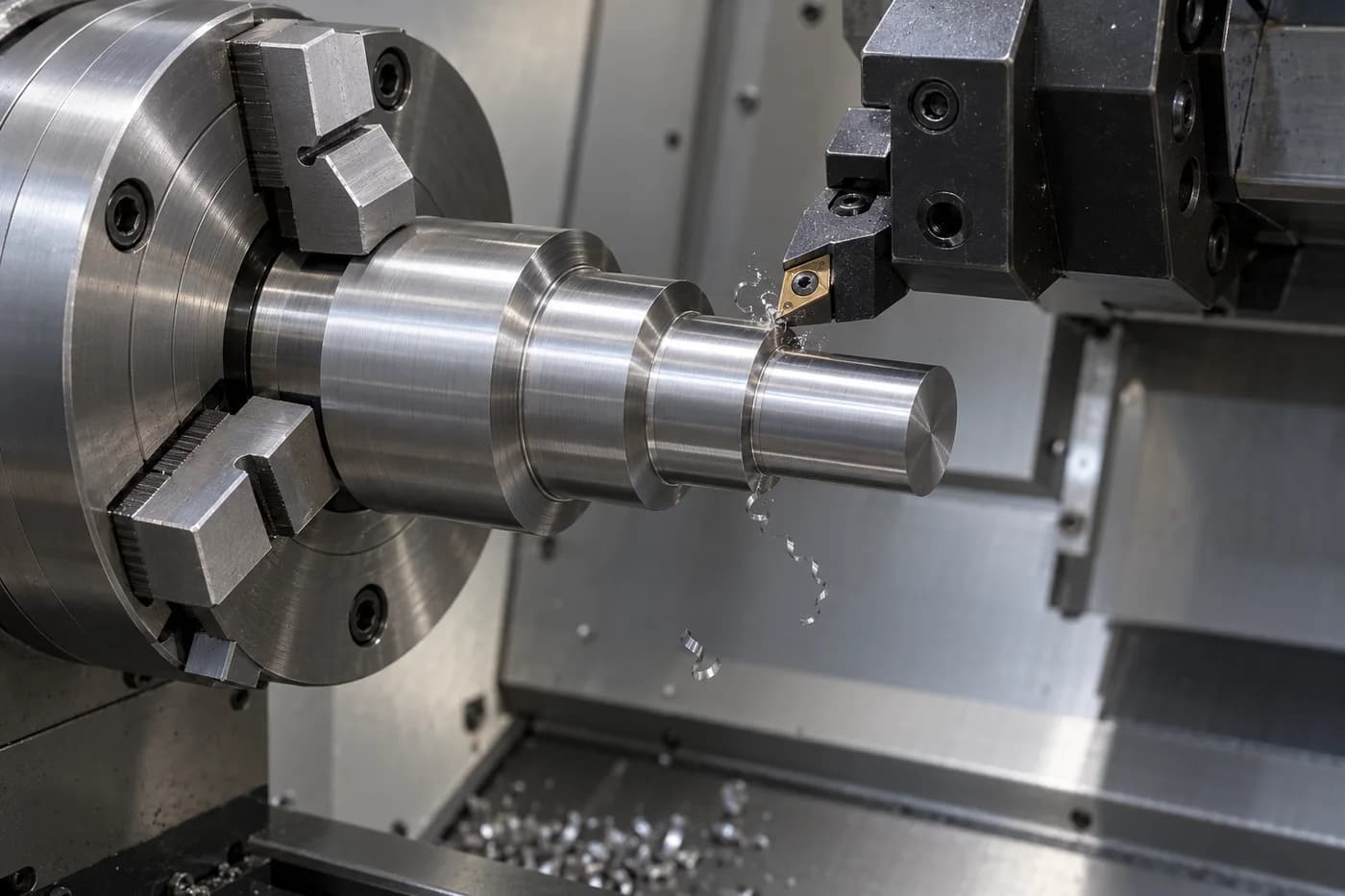
Produce diameters, bearing seats, shoulders, tapers and external profiles. The machining sequence establishes functional references while retaining suitable allowance for any subsequent treatment or finishing.
CNC Milling
Machine keyways, flats, cross holes and complex features in relation to the shaft datums. Access, cutter clearance and how the shaft is supported are reviewed before the route is confirmed.
Precision Grinding
Finish critical bearing journals and controlled cylindrical surfaces when required. Stainless steel shaft grinding is planned around material condition, final size, geometry and the specified surface parameter.
Thread Machining
Produce internal and external connections to the specified thread system. Define fit, effective length, relief and the relationship between threads and adjacent bearing or locating features.
Secondary Machining
Add splines, slots, bores and application-specific geometry through an appropriate agreed process. Feature combinations and inspection access determine whether additional setups or operations are necessary.
Austenitic stainless grades can work harden during cutting. Chip control, cutting heat, tooling engagement and support need attention to avoid making later operations more difficult. The manufacturing plan also considers dimensional stability, stock removal and how a long or slender component is held.
Turning diameters and shoulders around the required machining sequence.
Tolerances & Specifications
Stainless Steel Shaft Tolerances, Runout and Surface Finish
Define the functional characteristics individually. A precision stainless steel shaft is not described by diameter tolerance alone: journal geometry, datum relationships, finish and material condition all influence how it fits and runs.
Critical shaft characteristics and specification considerations
Characteristic
Drawing-based requirement
Shaft diameter
Size tolerance follows the drawing and intended fit. Identify critical diameters rather than applying the tightest tolerance to every surface.
Bearing journals
Define diameter, roundness and surface finish together, including the relevant shoulders and measurement locations.
Total runout
Specify datum-related control for functional surfaces. The selected datum and setup must represent the intended rotational relationship.
Straightness
Particularly important for slender shafts; clarify the controlled element, support condition and inspection method where necessary.
Coaxiality
Define the alignment relationship of journals and mating features using the applicable drawing standard and an unambiguous datum system.
Surface roughness
State Ra or another applicable parameter, the evaluated surface and any direction or measurement requirements.
Hardness
For heat-treated grades, specify the required condition, hardness requirement and relevant test location rather than relying on the grade alone.
Threads and keyways
Include dimensional and positional requirements, thread fit, keyway geometry and their relationship to adjacent functional features.
Specify the datum system, bearing journals, runout and roughness on the released drawing. Values and acceptance criteria are project-specific.
Understanding h6 and h7
In the ISO system, lower-case h identifies a shaft tolerance zone and the number identifies the tolerance grade. The applicable limits depend on the nominal size range. h6 is a narrower grade than h7 for the same size range; neither designation establishes roundness, runout or a supplier's universal capability.
Specify the nominal dimension, selected class and mating requirement. Topshaft confirms whether the proposed material, geometry, process and inspection method can meet the drawing.
Stainless Steel Shaft Surface Finishing and Treatment Options
Choose a finish for its function, specification and effect on the component. Grinding, polishing, chemical treatment and heat treatment address different requirements and should not be treated as a single interchangeable finishing package.
Passivation
Remove free-iron contamination under an appropriate specified procedure. Confirm cleaning, acceptance and documentation requirements; passivation does not replace selecting a grade suitable for the service environment.
Electropolishing
Review controlled electrochemical finishing where an improved surface condition is required. Account for its effect on dimensions, edges and functional areas before the finishing route is approved.
Mechanical Polishing
Produce a specified cosmetic or functional finish. Describe the surface requirement objectively; a reflective appearance alone does not establish roughness, geometry or cleanability.
Precision Grinding
Finish critical cylindrical surfaces after the appropriate preceding operations. Size, runout, straightness and roughness requirements are reviewed together so that finishing supports the actual mating interface.
Heat Treatment
Apply suitable treatment to applicable martensitic or precipitation-hardening grades. Coordinate material condition, property requirements, distortion allowance and final machining sequence with the approved drawing.
Not all stainless grades can be hardened by conventional heat treatment. Austenitic 304 and 316 cannot be through-hardened using the same quench-hardening mechanism as 420. The material and specified condition determine the appropriate route.
Industry Applications
Stainless Steel Shafts for Industrial Applications
The operating environment and the assembly define the requirement. The following applications highlight the technical information that helps connect a material choice with a useful shaft drawing.
01
Pumps & Fluid Handling
Corrosion resistance, seal surfaces and dimensional control are central to pump-shaft selection. Supply the fluid, concentration, temperature and relevant cleaning conditions so grade and surface requirements can be reviewed.
Precision journals, rotational accuracy and repeatable assembly support guided and rotary systems. Clarify bearing arrangement, mating components, load conditions and installation requirements when defining the shaft.
Review material compatibility, cleanability and the specified surface condition against the actual machine and cleaning process. A stainless grade designation by itself does not establish food-contact compliance.
Bearing interfaces, rotor seats and coupling features influence rotational stability. A stainless steel motor shaft should be specified around the assembled drive, not selected solely for its external appearance.
Additional applications may include packaging machinery, industrial instruments, marine-related machinery and selected medical equipment. Food-contact, implantable medical and aerospace-program qualifications are project-specific and must be documented; they are not implied by this page.
Manufacturing Process
How We Manufacture Custom Stainless Steel Shafts
A coordinated route takes the shaft from the approved requirements to protected finished components. The exact sequence depends on material grade, geometry and treatment requirements; the steps below describe the project review framework.
01
Drawing & DFM Review
Confirm grade, geometry, fits, datums and critical requirements. Review machining access, inspection needs and any unresolved technical details before agreeing the manufacturing plan.
02
Material Procurement
Confirm the specified grade, product form, supplied condition and requested records. Required material documentation should be identified in the order and linked to the agreed supply scope.
03
CNC Turning
Produce primary cylindrical features and shoulders, establishing references for subsequent operations. Retain allowances appropriate to the planned material treatment and final finishing requirements.
04
Secondary Machining
Machine keyways, threads, bores, splines and other drawing-defined features. Their relationship to journals and locating surfaces determines the setup and verification approach.
05
Treatment & Finishing
Apply the approved grinding, polishing, passivation or heat-treatment route. The exact operation order depends on grade, geometry, required condition and potential distortion.
06
Final Inspection
Verify drawing-defined dimensions and critical features using the agreed inspection plan. Confirm any required roughness, hardness or material records before release.
07
Packing & Delivery
Protect finished journals, threads and edges during handling and transport. Release the agreed documentation and identify the parts according to the order requirements.
Quality & Inspection
Quality Inspection for Precision Stainless Steel Shafts
Inspection is planned around the drawing and the features that determine fit and function. The measurement method, acceptance requirements and requested records should be agreed before production rather than assumed from a general statement about precision.
Drawing-based checks may include bearing-journal dimensions, runout, straightness, surface roughness and hardness where relevant. Material identity and the required supplied or final condition are reviewed alongside dimensional results.
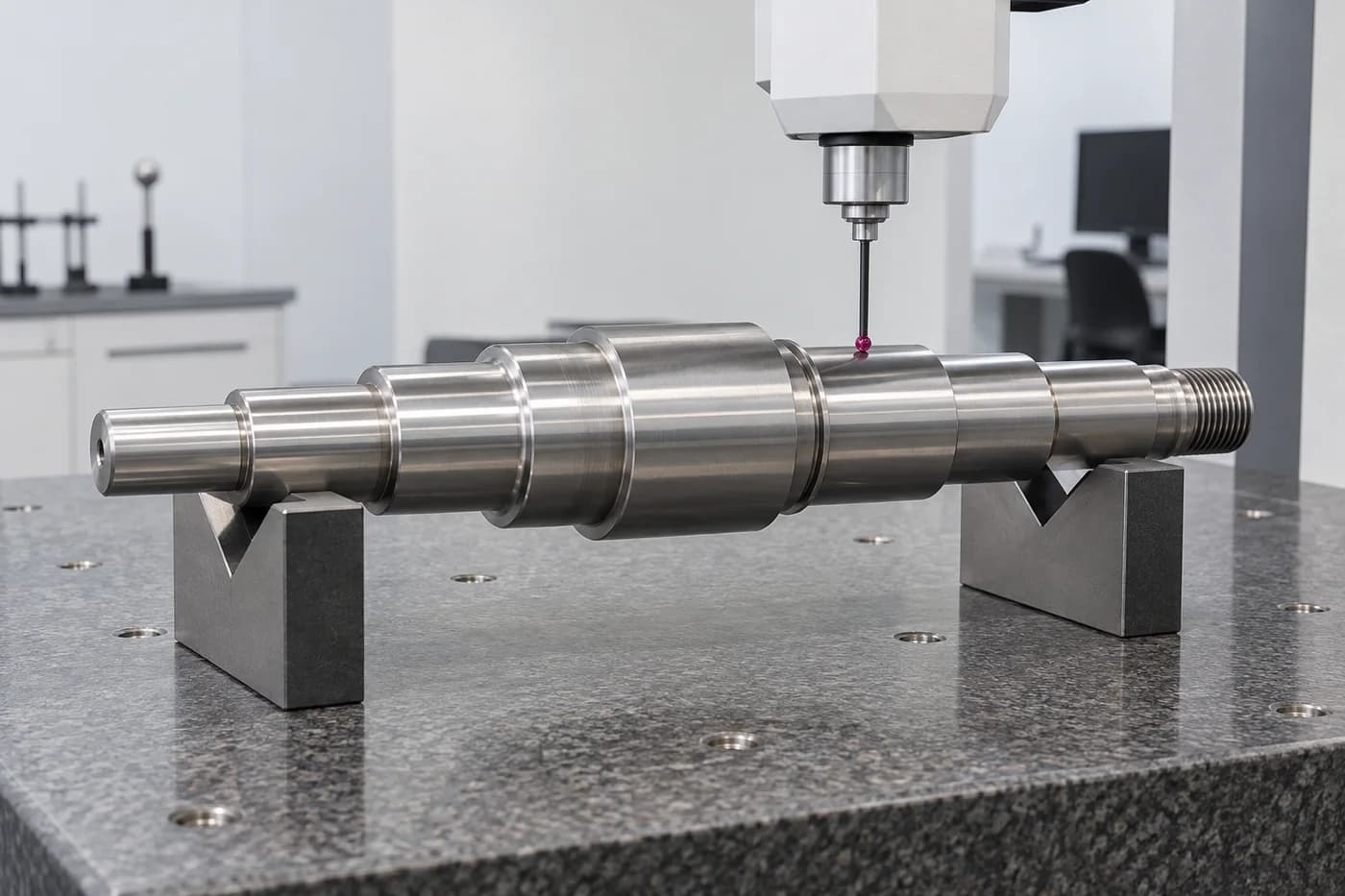
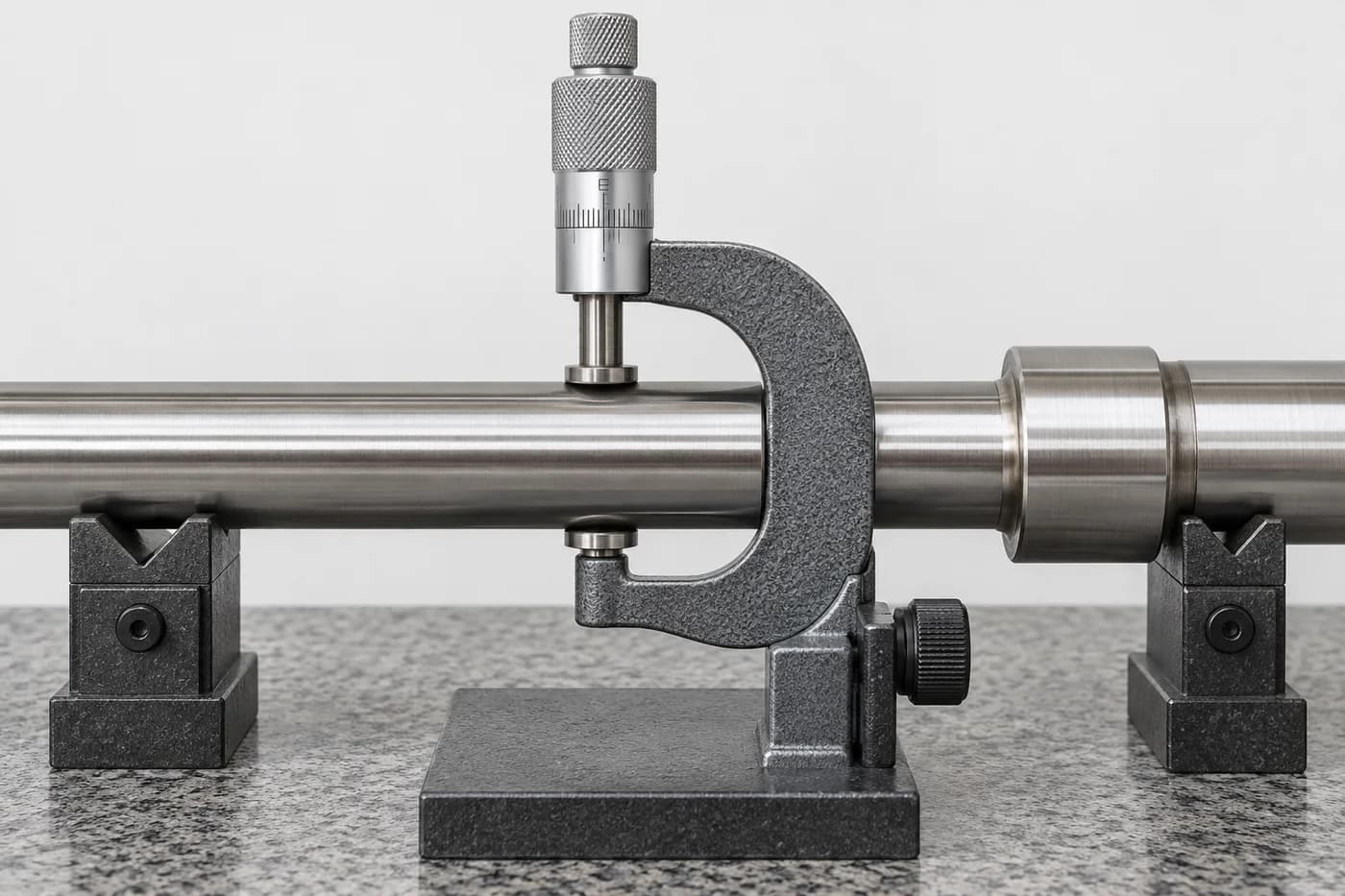
Micrometers and suitable dimensional instruments assess size; datum-related setups evaluate runout; optical or CMM methods may be selected for accessible feature relationships. The equipment and method must be appropriate to the specified characteristic, geometry and inspection scope.
Material certificates, first-article records and inspection reports are provided according to agreed project requirements. Confirm what is needed in the order rather than assuming every document is included automatically.
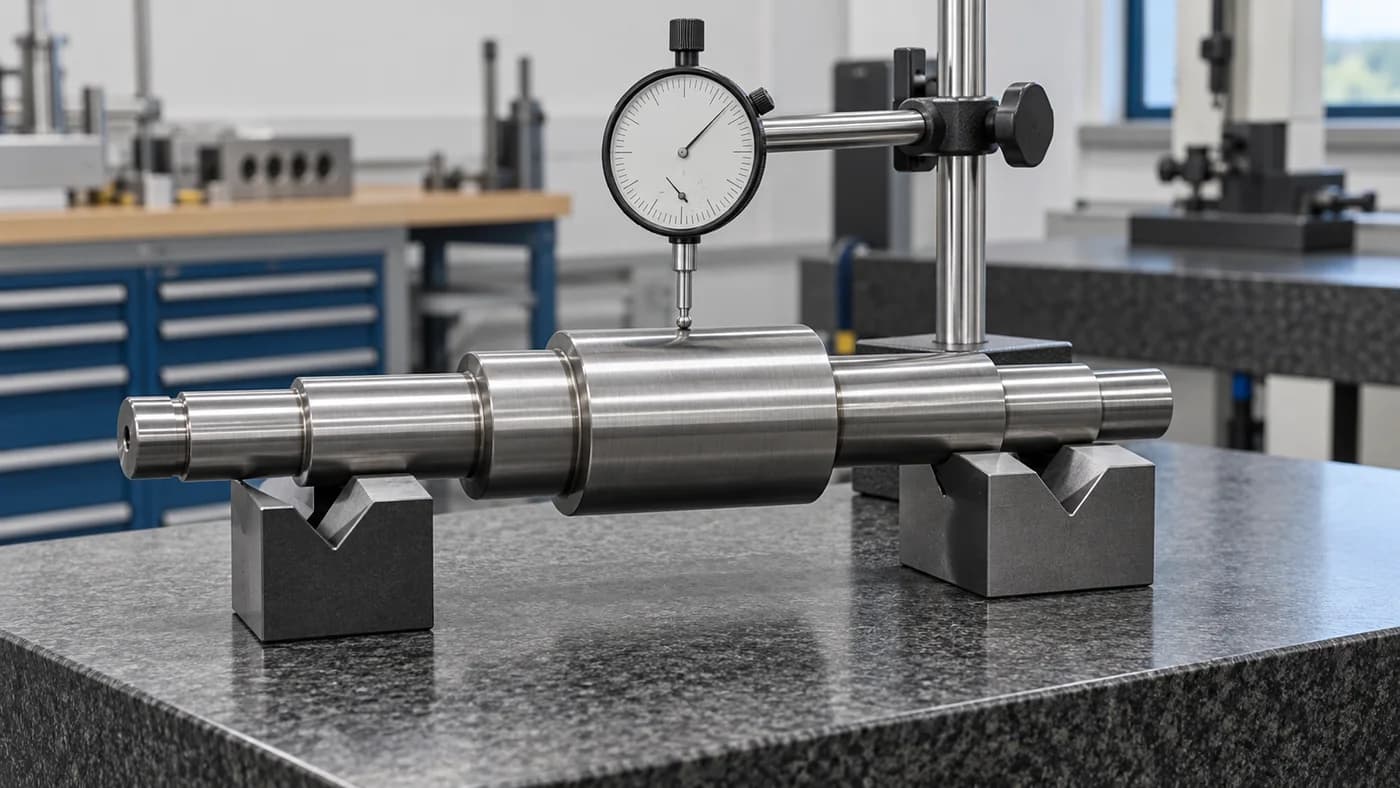
Feature relationships and measurement access are reviewed against the inspection plan.
Journal size and measurement location.Runout evaluation with a drawing-defined setup.
Why Topshaft
Why Choose Topshaft for Custom Stainless Steel Shafts?
A drawing-led precision shaft manufacturing partner for OEM and industrial projects. The emphasis is on a clear technical requirement, a coordinated manufacturing route and an agreed inspection scope.
Shaft Manufacturing Focus
A dedicated custom shaft portfolio supports discussion of bearing seats, stepped geometry, torque-transfer features and industrial assembly interfaces. Explore the existing shaft families to frame your requirement.
Drawing-Based Engineering
DFM review and critical-feature assessment begin with your drawing. Open questions about geometry, fits, material condition or inspection are clarified before a manufacturing route is confirmed.
Multiple Machining Operations
Turning, milling, grinding and secondary operations can be coordinated around the required component. The proposed combination is reviewed by feature, rather than promised as a universal standard package.
Material Selection Support
The grade comparison supports a practical technical discussion. Share corrosion exposure, strength, wear and treatment requirements so the proposed stainless material can be reviewed against the application.
Inspection Planning
Dimensional, geometric and material checks are tied to the drawing. Required measurement methods, records and first-article evidence can be agreed as part of the project scope.
Prototype To Production
Project-based support covers prototype evaluation, small batches and repeat requirements. Quantity, technical readiness, material availability and the agreed route inform the quotation and delivery discussion.
TOPSHAFT is the precision shaft manufacturing division of Dongguan Tops Precision Manufacture Co., Ltd., operating alongside Topsbest Precision for shaft-focused OEM projects. Learn about Topshaft.
Engineering Design Guide
Design Considerations for Stainless Steel Shafts
A useful drawing connects the material with the function of each surface. These five checks help engineering and purchasing teams prepare a requirement that is technically meaningful and suitable for manufacturing review.
01
Corrosion, Torque, Fatigue & Wear
Select the grade using actual exposure and loading, including cleaning media and temperature. Corrosion resistance alone does not establish torque capacity or fatigue life. Specify the material condition and assess the component as part of its operating system.
02
Shoulder Transitions & Stress Concentrations
Review diameter transitions, fillets and reliefs with the mating parts. Avoid unnecessarily abrupt changes in highly loaded areas. Bearing chamfers, tool access and required grinding relief should be coordinated so a manufacturable transition also supports the functional interface.
03
Bearing & Seal Surfaces
Identify which surfaces actually locate, rotate or seal. Define the corresponding size, form, finish and datum requirements. Functional surfaces may require different finishing operations; do not assume a single roughness instruction is suitable for every journal, shoulder and seal track.
04
Long-Shaft Deflection & Distortion
Consider slender-shaft deflection during machining, inspection and handling. Material condition, support, stock removal and treatment may influence the final geometry. Review straightness and the critical feature relationships before deciding how the component will be held and finished.
05
Datums, Material Condition & Certificates
Define inspection datums and the relationship of key features clearly. State the material standard, supplied or final condition and required certificates in the order. Align the drawing, inspection plan and documentation scope so the supplier and receiving team evaluate the same requirement.
Explore the bearing seats, end connections and profile combinations that define a custom shaft. Material grade, process sequence and acceptance requirements are confirmed to the approved drawing.
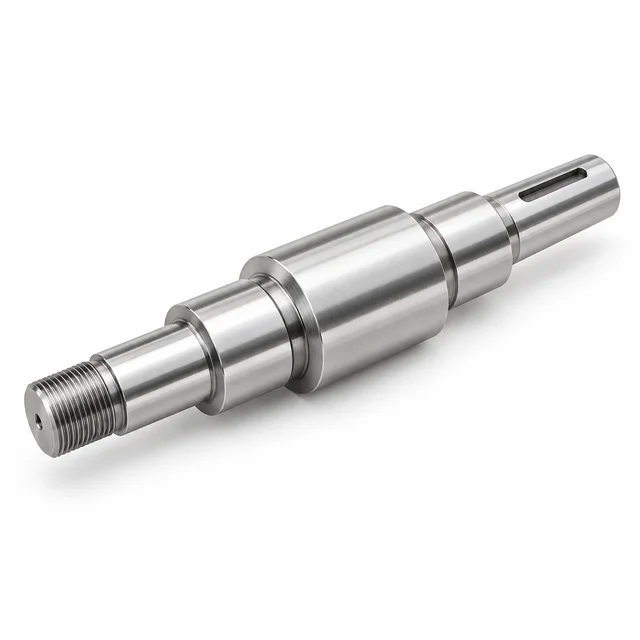
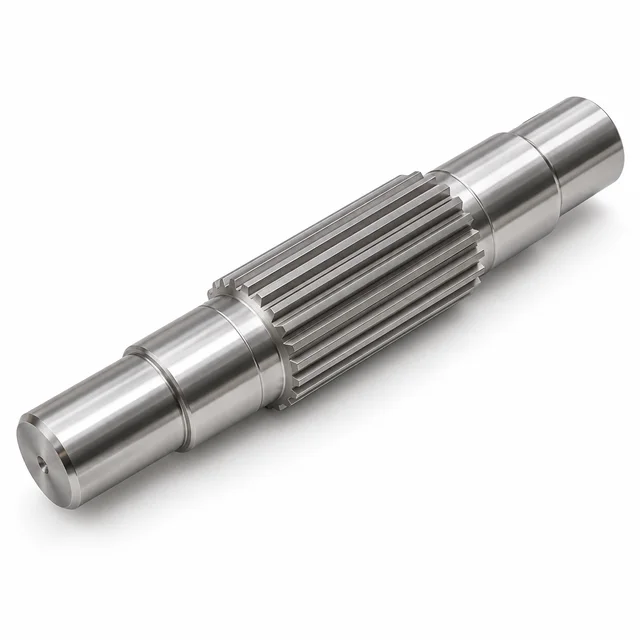
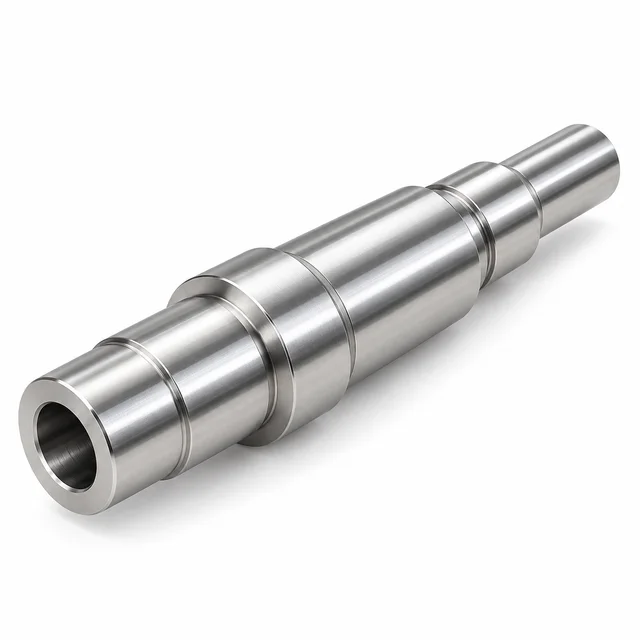
Stepped ShaftsMultiple diameters and locating shouldersMotor ShaftsRotor seat, bearing journals and end featuresSpline ShaftsExternal spline profile and smooth journalsThreaded ShaftsThreaded section with locating diametersHollow ShaftsCoaxial bore and external bearing surfacesGround Bearing JournalsFunctional cylindrical seats and transitions
Frequently Asked Questions
Stainless Steel Shaft Manufacturing FAQs
Practical answers for selecting a stainless steel shaft supplier and preparing a drawing-based inquiry.
01
What stainless steel grades are commonly used for precision shafts?
Common candidates include 303, 304, 316 / 316L, 420, 431 and 17-4PH. Selection depends on corrosion exposure, required strength, wear, machining complexity and the specified material condition. Free-machining, austenitic, martensitic and precipitation-hardening grades have different trade-offs. Confirm the grade, applicable product standard and documentation against your drawing rather than treating stainless steel as a single interchangeable material.
02
Is 304 or 316 stainless steel better for a pump shaft?
316 generally offers improved resistance to chloride-related pitting compared with 304, but it is not automatically suitable for every pump environment. Fluid chemistry, concentration, temperature, cleaning conditions and mechanical loading all matter. A 304 stainless steel shaft may be appropriate in less demanding environments. Specify the actual service conditions and confirm the grade against both corrosion and mechanical requirements before ordering.
03
Can stainless steel shafts be hardened?
Some grades can be hardened by appropriate heat treatment. Martensitic grades such as 420 and 431 and precipitation-hardening grades such as 17-4PH follow different treatment routes. Austenitic 304 and 316 cannot be through-hardened by the same conventional quench-hardening mechanism as 420. State the grade, required condition, hardness and test locations so treatment and final machining can be reviewed together.
04
What tolerances can be achieved on stainless steel shafts?
Achievable tolerances depend on the feature, nominal size, length, material condition, geometry, process and inspection method. Topshaft reviews the drawing before confirming capability. ISO shaft classes such as h6 and h7 define tolerance zones for specified size ranges; they are not a universal supplier capability promise. Identify the critical journals, geometric controls and surface requirements instead of relying on an unsupported blanket tolerance.
05
Can Topshaft manufacture stainless steel shafts from customer drawings?
Yes. Custom stainless steel shafts are reviewed and manufactured around customer drawings and agreed project requirements. Provide the drawing revision or CAD model, material grade, quantity, critical fits, surface requirements and application details. The review can clarify geometry, machining sequence, treatment and inspection. Any material alternatives, design changes or documentation requirements should be agreed rather than assumed from a general product description.
06
What surface finishes are available for stainless steel shafts?
Options reviewed for a project include as-machined surfaces, precision grinding, mechanical polishing, passivation and electropolishing where appropriate. These operations serve different purposes and are not automatically interchangeable. Define the functional finish, roughness parameter, treatment specification and any dimensional allowance. Applicable heat treatment is reviewed separately by grade, and the final sequence is confirmed against the drawing and service requirements.
07
Can you manufacture prototype and low-volume stainless steel shafts?
Prototype, small-batch and repeat-order requirements can be reviewed. Share the quantity, stage of development and likely repeat demand so the proposed manufacturing and inspection route fits the project. Material availability, feature complexity, treatment and required records affect the quotation. Prototype approval does not automatically authorize later drawing changes; keep the approved revision and acceptance requirements clear as the project progresses.
08
What information is required to quote a custom stainless steel shaft?
Send a drawing or supported CAD file, material grade and condition, quantity, critical dimensions and fits, runout or straightness requirements, surface finish, heat treatment and requested documentation. Include application, operating environment and delivery target where relevant. If the grade or process is still open, describe the performance requirement. A stainless steel shaft supplier can then identify the technical questions needed for a useful drawing-based quotation.
Related Products
Explore Related Custom Shaft Solutions
Review the geometry-specific product pages and the inspection capability alongside your stainless steel material requirement.
Send your drawings, material grade, quantity and critical requirements. Our team will review the manufacturing requirements and provide quotation guidance.
Include the material condition, critical fits, surface requirements and any required certificates. If the grade is not yet fixed, describe the environment and performance target so the review can identify the questions that need to be resolved.