Frequently Asked Questions About Bronze Shafts
Direct answers for material selection, machining review and OEM purchasing.
01What is the best bronze alloy for a shaft?
+
There is no universal best grade. C95400 aluminum bronze may suit certain strength- and wear-demanding applications, while C93200 is more commonly associated with bearing applications. The choice depends on shaft function, load, lubrication, mating material and environment.
02Can bronze shafts be CNC machined to tight tolerances?
+
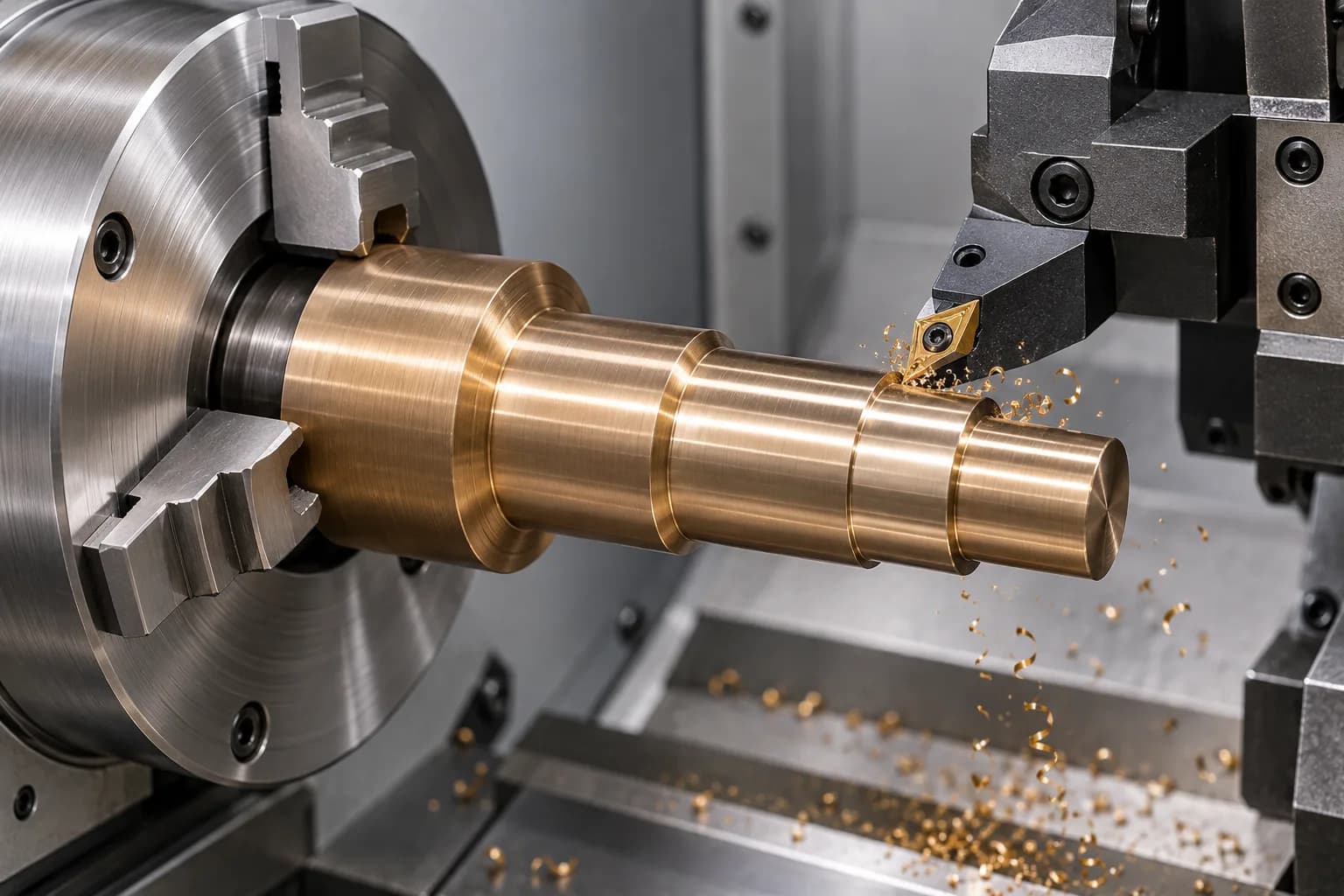
Yes. Bronze shafts can be precision machined, but achievable tolerances depend on alloy grade, diameter, length, geometry, setup and finishing requirements. Critical tolerances should be reviewed against the drawing.
03What is the difference between bronze and brass shafts?
+
Bronze alloys are often selected for particular bearing, wear, strength or corrosion requirements. Brass alloys are frequently selected for machinability and other application-specific properties. The exact comparison depends on the grades involved.
04Are bronze shafts suitable for marine applications?
+
Certain aluminum bronze and nickel aluminum bronze grades can be suitable for marine environments. Suitability depends on water chemistry, loading, galvanic interactions and the applicable engineering specification.
05Can Topshaft manufacture custom stepped and threaded bronze shafts?
+
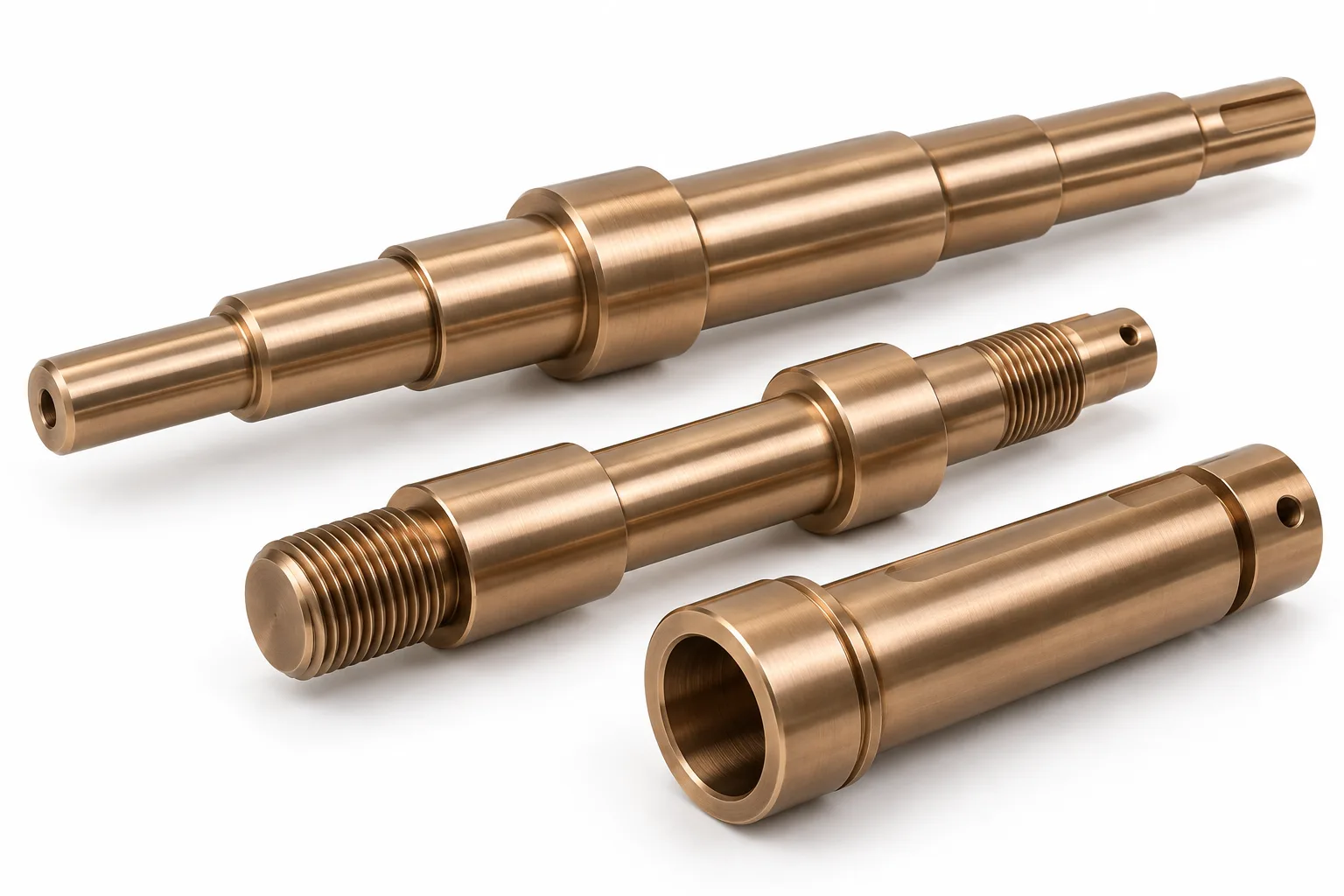
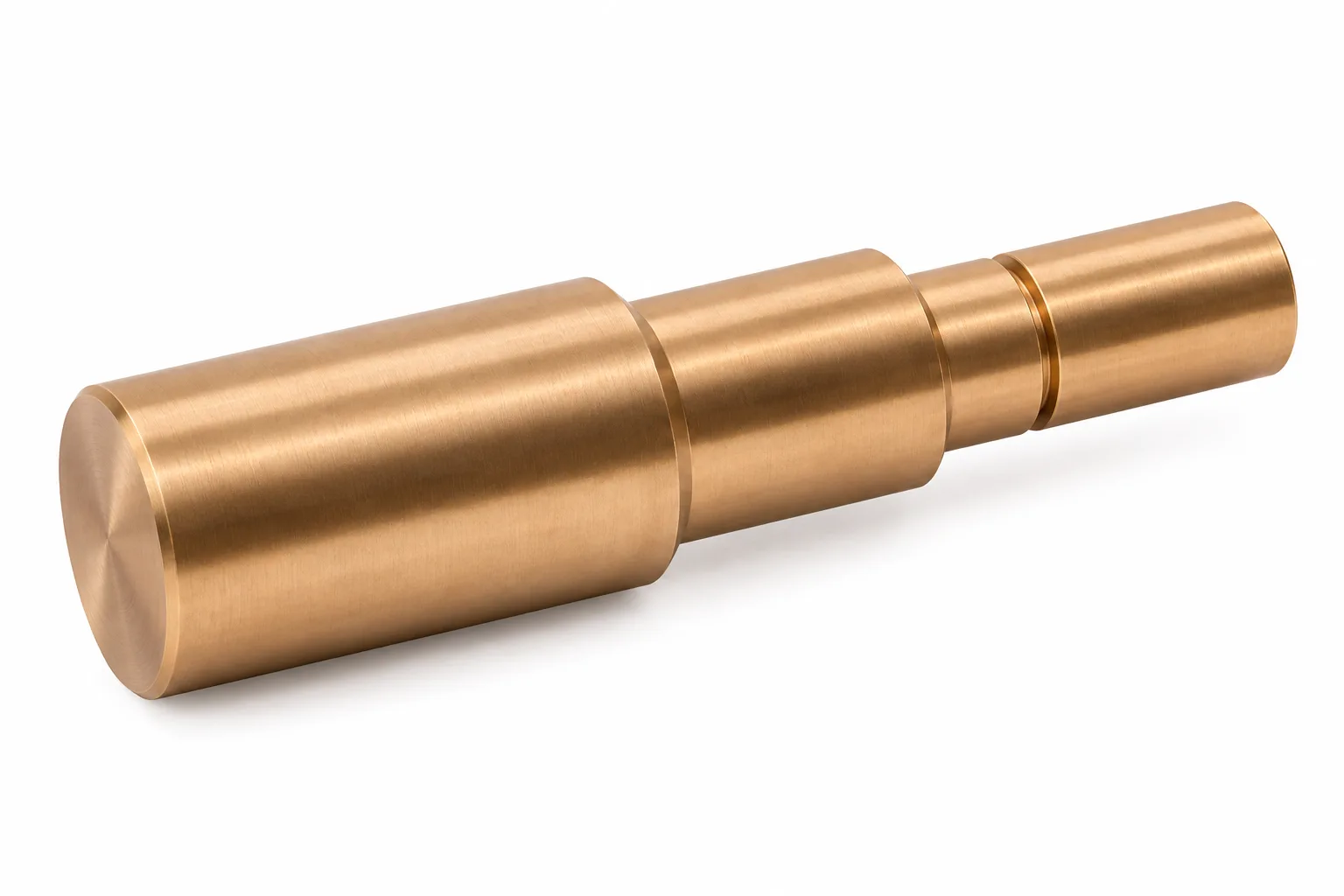
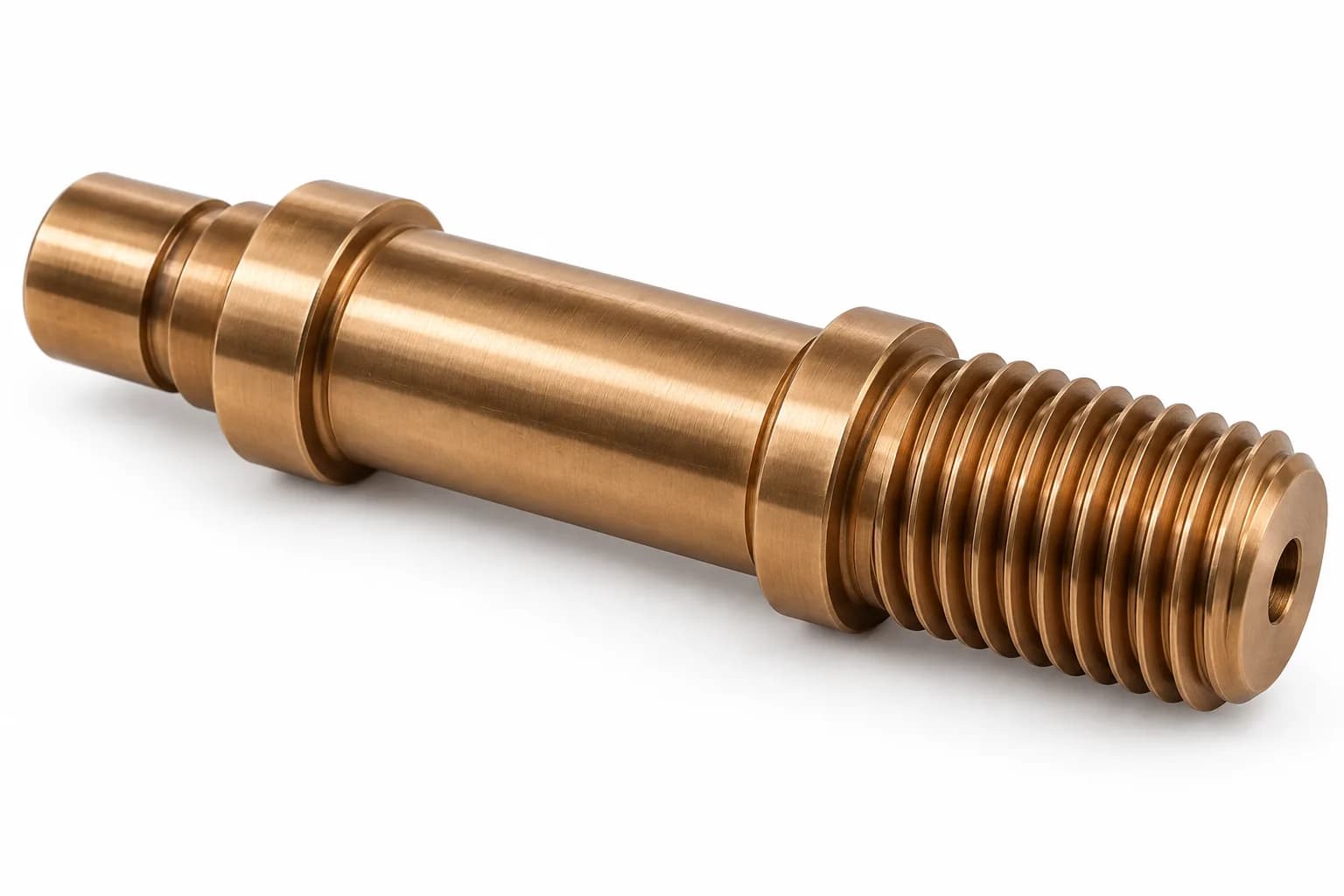
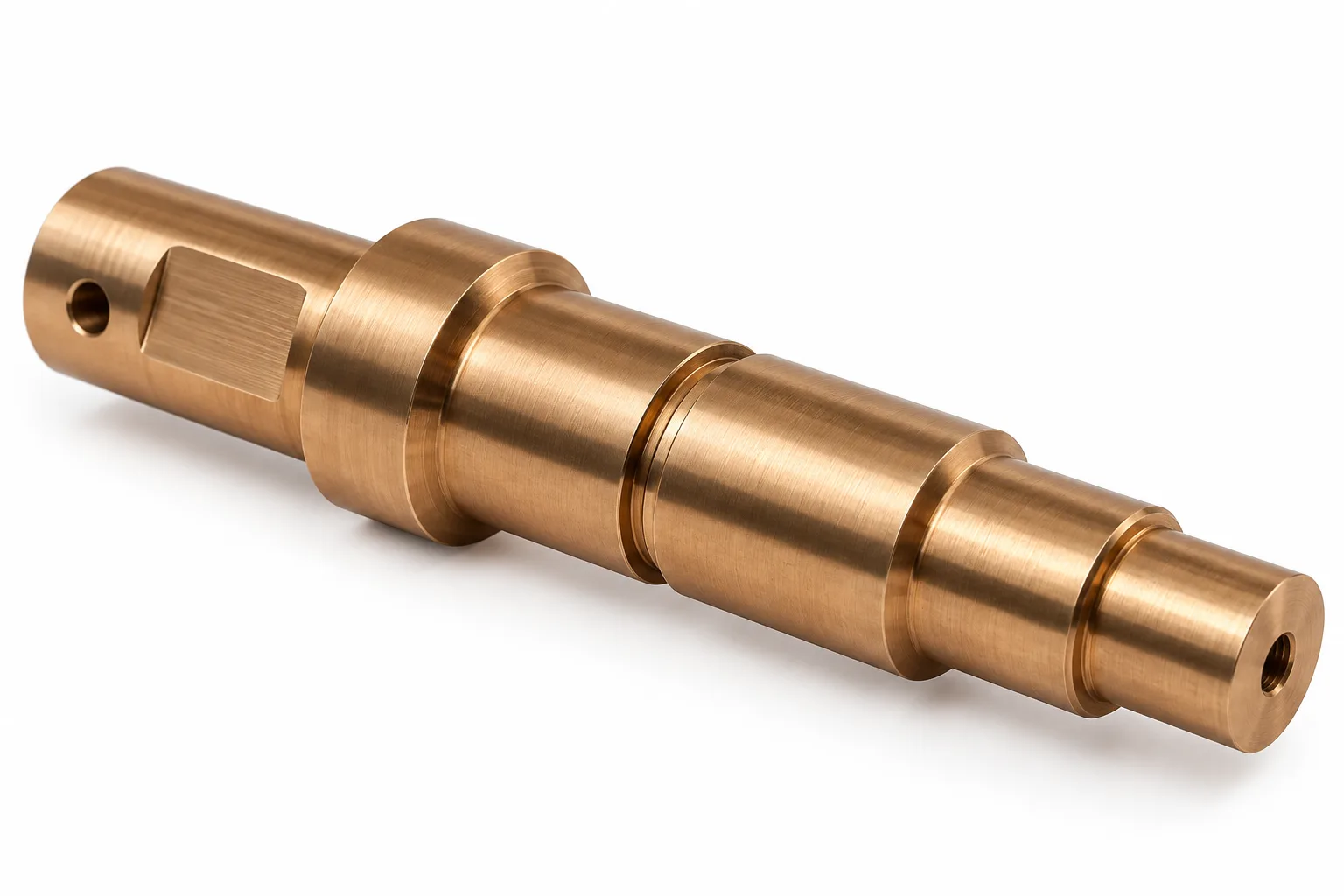
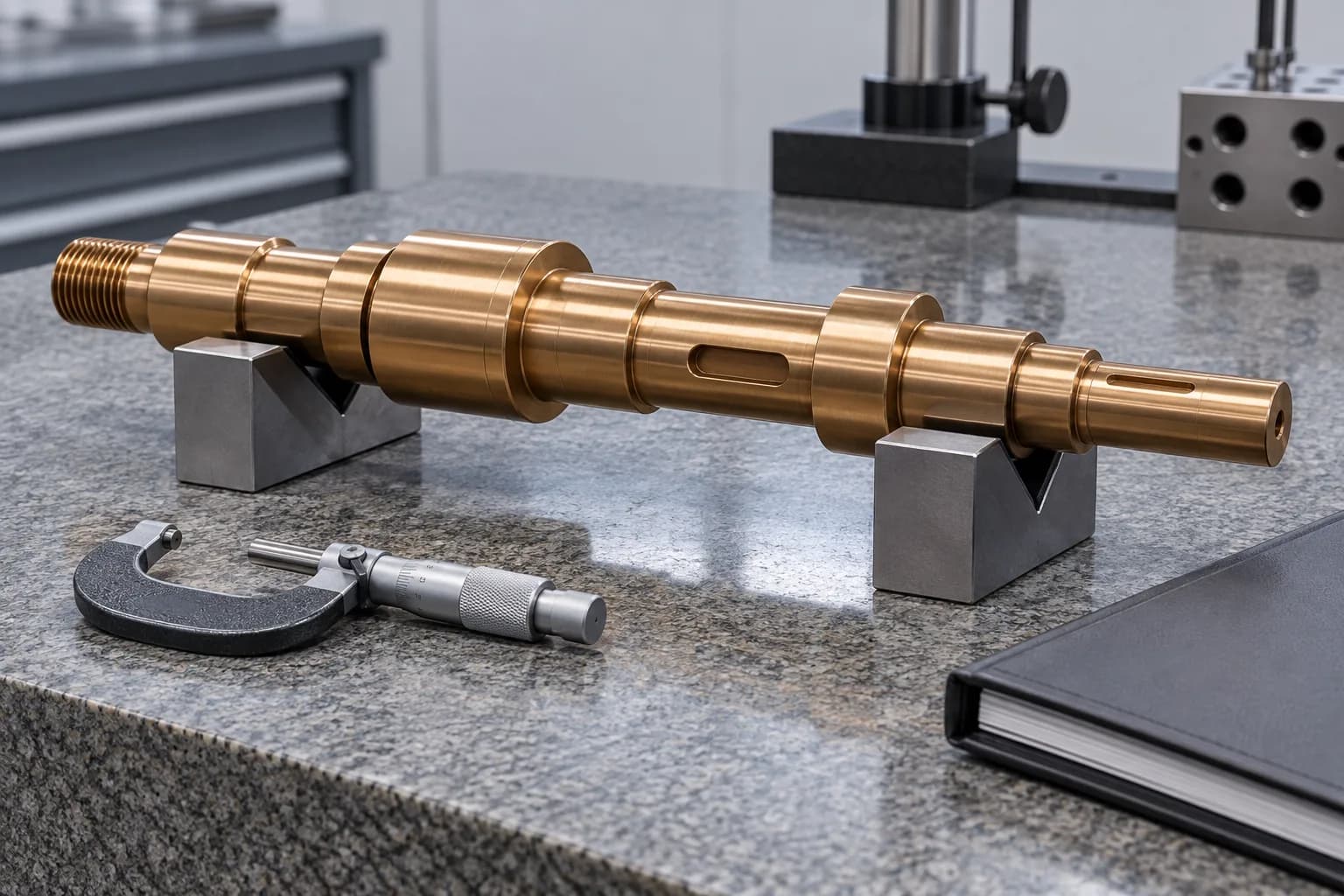
Topshaft supports custom shaft projects involving stepped diameters, threads, grooves and other drawing-specified features. Bronze material availability and manufacturing feasibility should be confirmed during quotation.
06What information is required for a bronze shaft quotation?
+
Provide the drawing or CAD model, bronze alloy grade, dimensions, tolerances, surface-finish requirements, application, quantity and required inspection documentation.