01What nickel alloys are used for precision shafts?
+
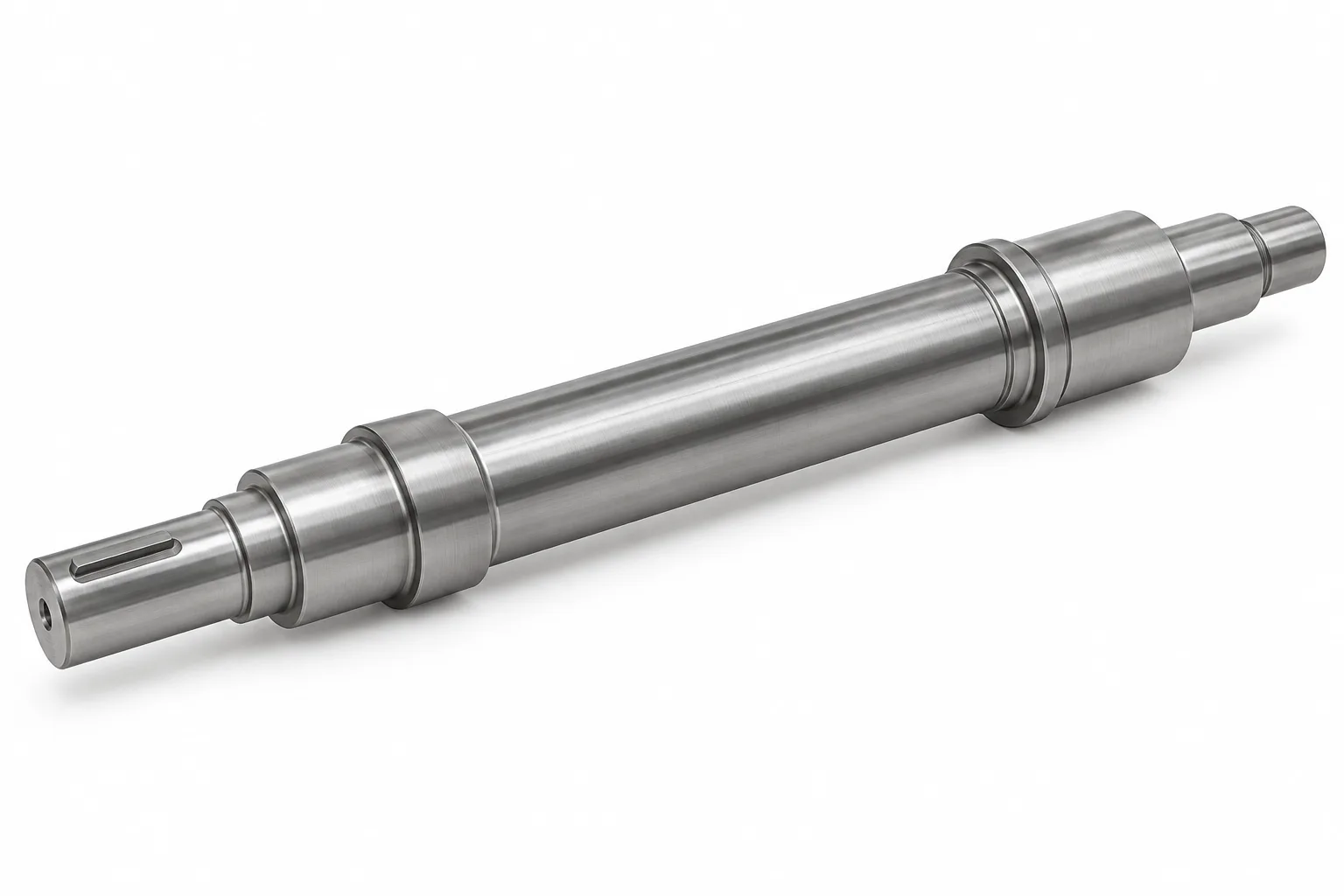
Potential choices include Inconel 600, 625 and 718, Monel 400 and K-500, Hastelloy C-276 and commercially pure Nickel 200. Each serves different priorities. Select the actual grade, product specification and condition against the medium, temperature and loading. The comparison on this page is a selection guide, not confirmation that every grade is stocked or routinely machined by Topshaft.
02What is the difference between Inconel and Monel shafts?
+
Inconel and Monel are different alloy families, not interchangeable material specifications. The Inconel grades discussed here are nickel-chromium-based alloys selected for particular corrosion, strength or temperature requirements; Monel 400 and K-500 are nickel-copper alloys. Compare exact grades and conditions. A Monel shaft selected for a marine environment is not automatically equivalent to an Inconel high-temperature component.
03Can nickel alloy shafts be CNC machined to tight tolerances?
+
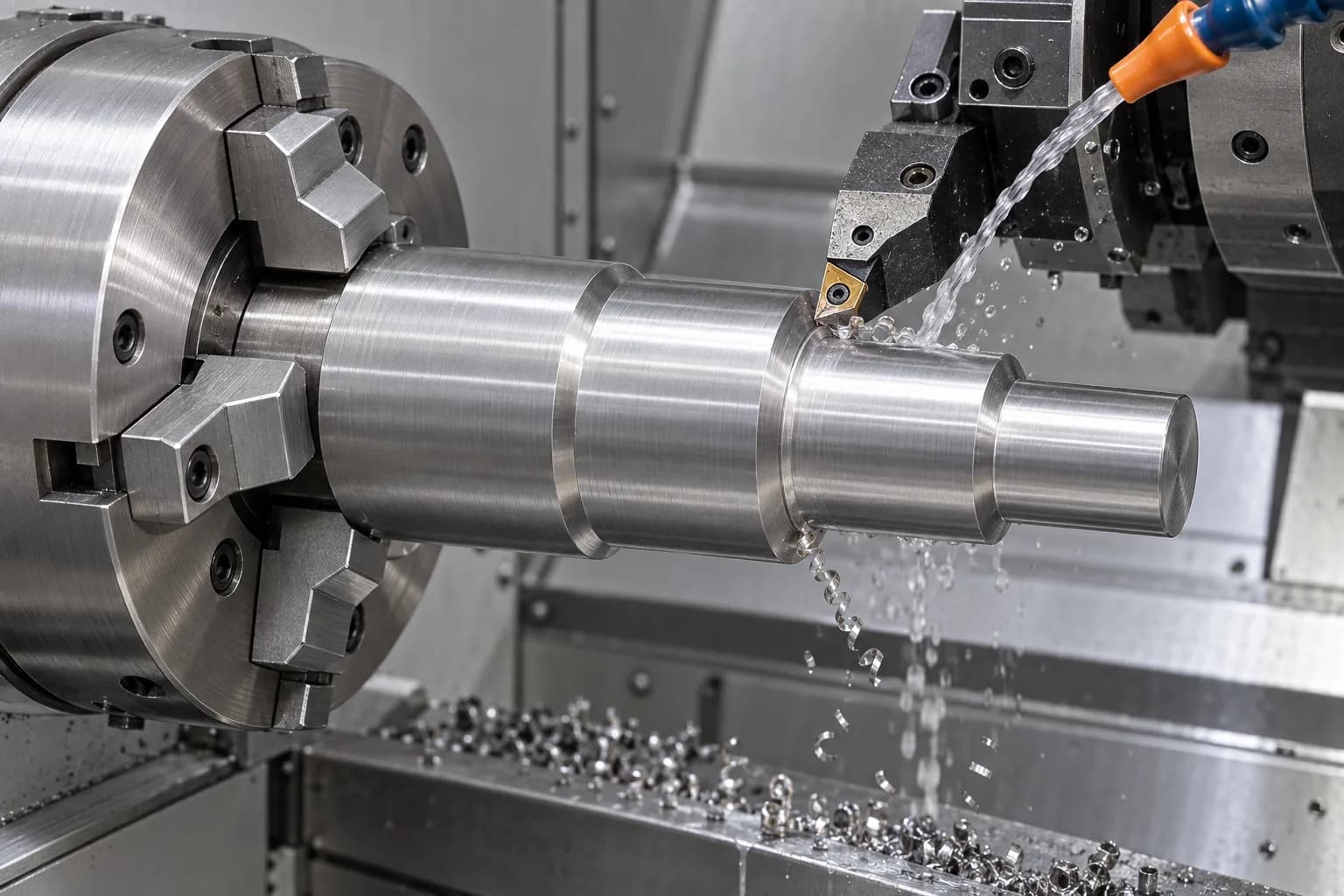
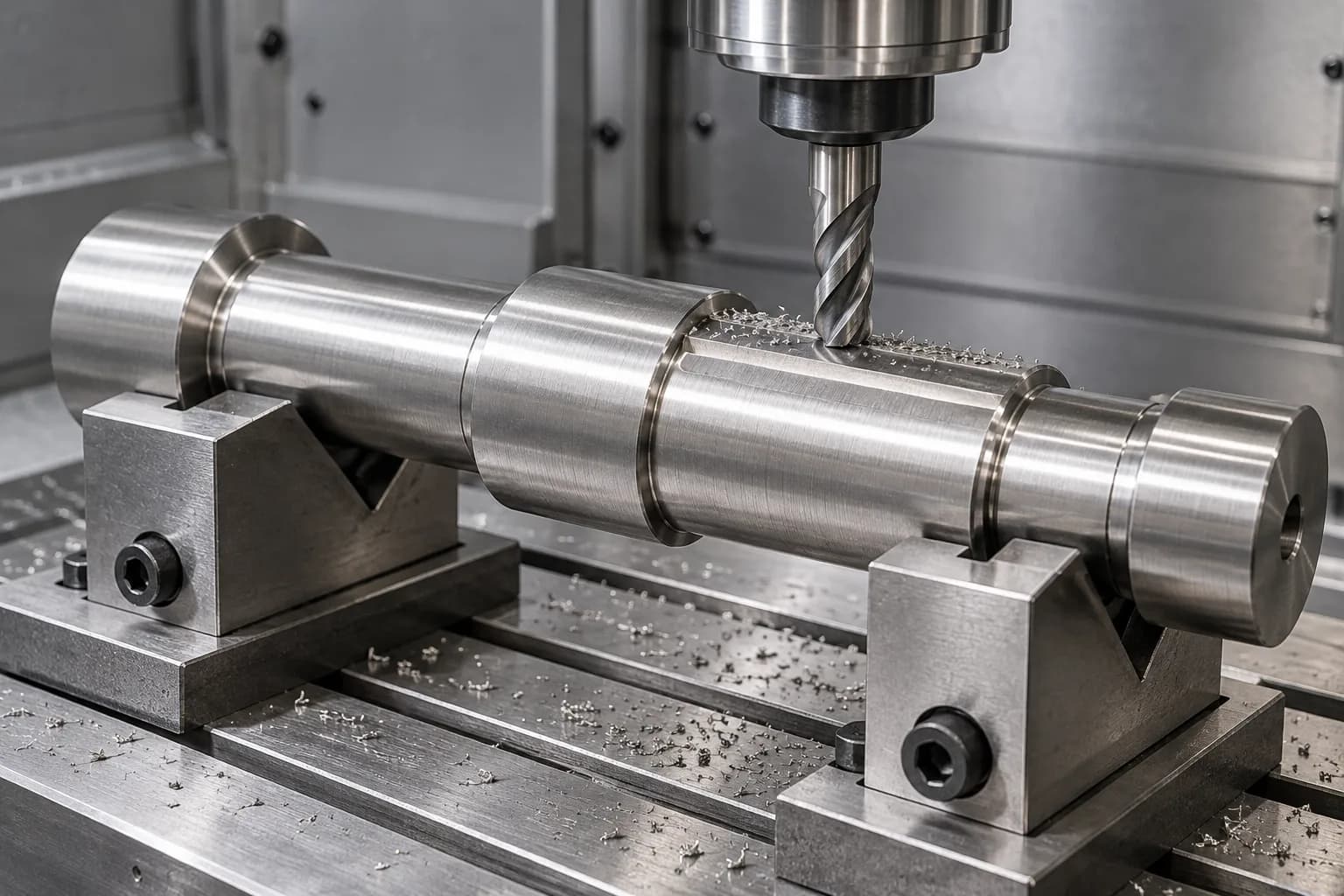
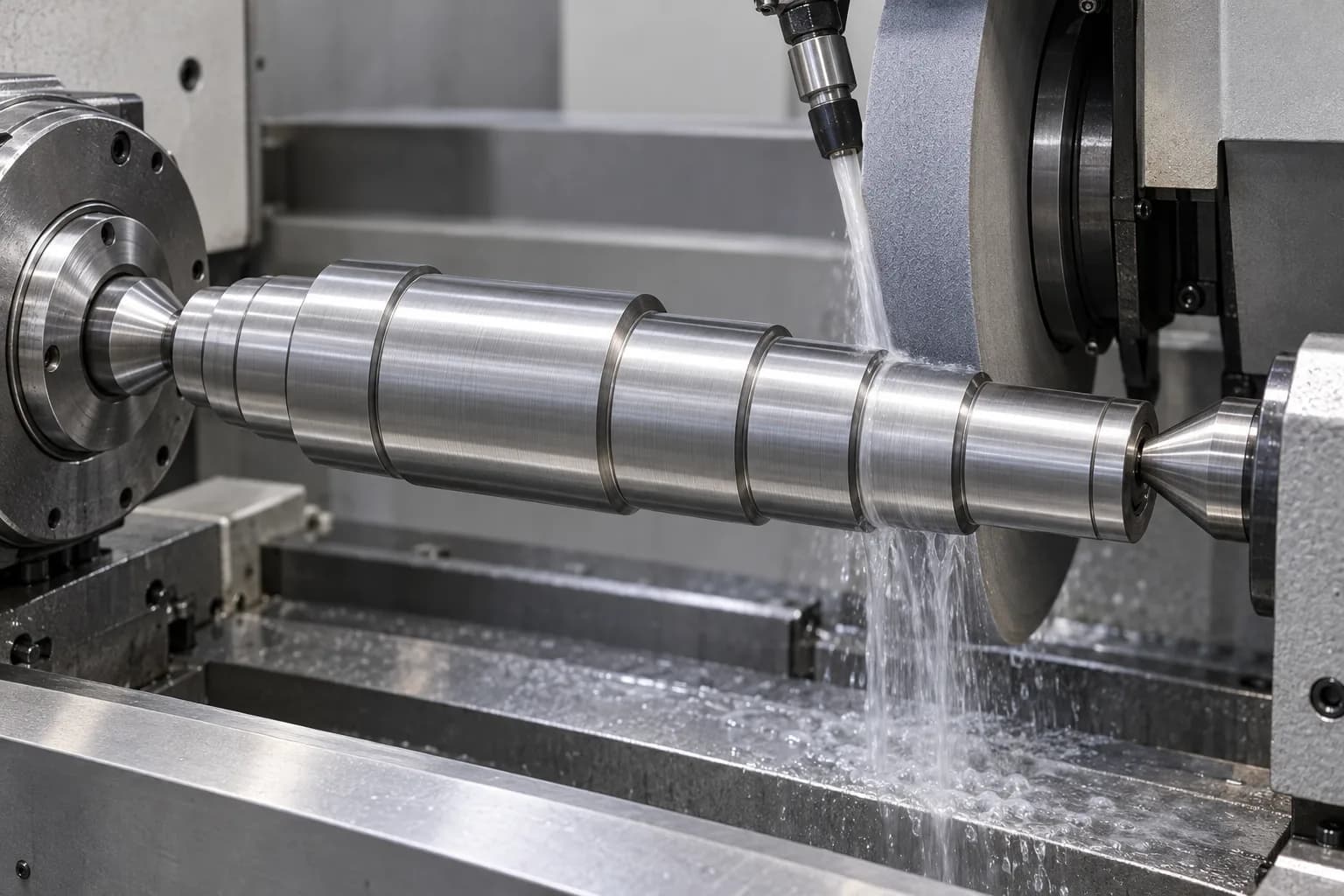
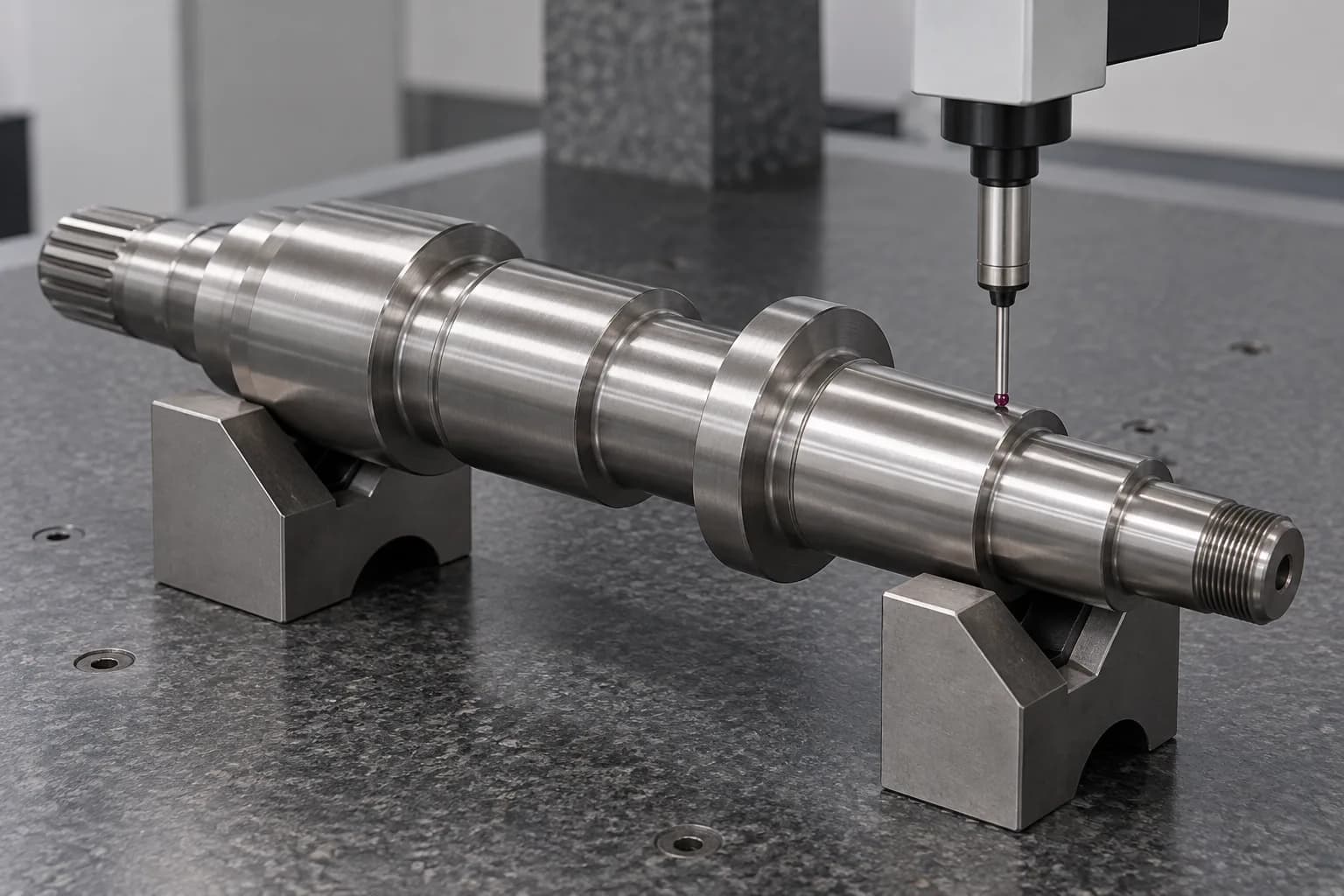
Tight tolerances may be feasible after review of the specific material, size, geometry and process route. Work hardening, tool wear, cutting heat, slenderness and heat treatment can affect dimensional stability. Identify critical features and final acceptance conditions. A general ±0.005 mm claim should not be applied to every nickel alloy shaft; finish machining or grinding must be evaluated individually.
04Are nickel alloy shafts suitable for high-temperature applications?
+
Selected nickel alloys can be suitable for high-temperature shaft applications, but not every grade has the same capability. Review operating and excursion temperatures, load, exposure duration, oxidation and cycling. A high temperature alloy shaft also needs compatible fits, lubrication and surrounding components. Material condition and the applicable specification determine which property data can support the design.
05How do nickel alloy shafts compare with stainless steel shafts?
+
Nickel alloys may justify their cost where a specified grade offers the corrosion or temperature performance needed beyond a suitable stainless grade. Stainless steel may be a more economical choice when it meets the complete service requirement. Compare exact grades, strength condition, fatigue, corrosion mechanism and machining route rather than assuming nickel is always superior or that higher alloy content solves every exposure.
06Can Topshaft manufacture custom nickel alloy shafts from drawings?
+
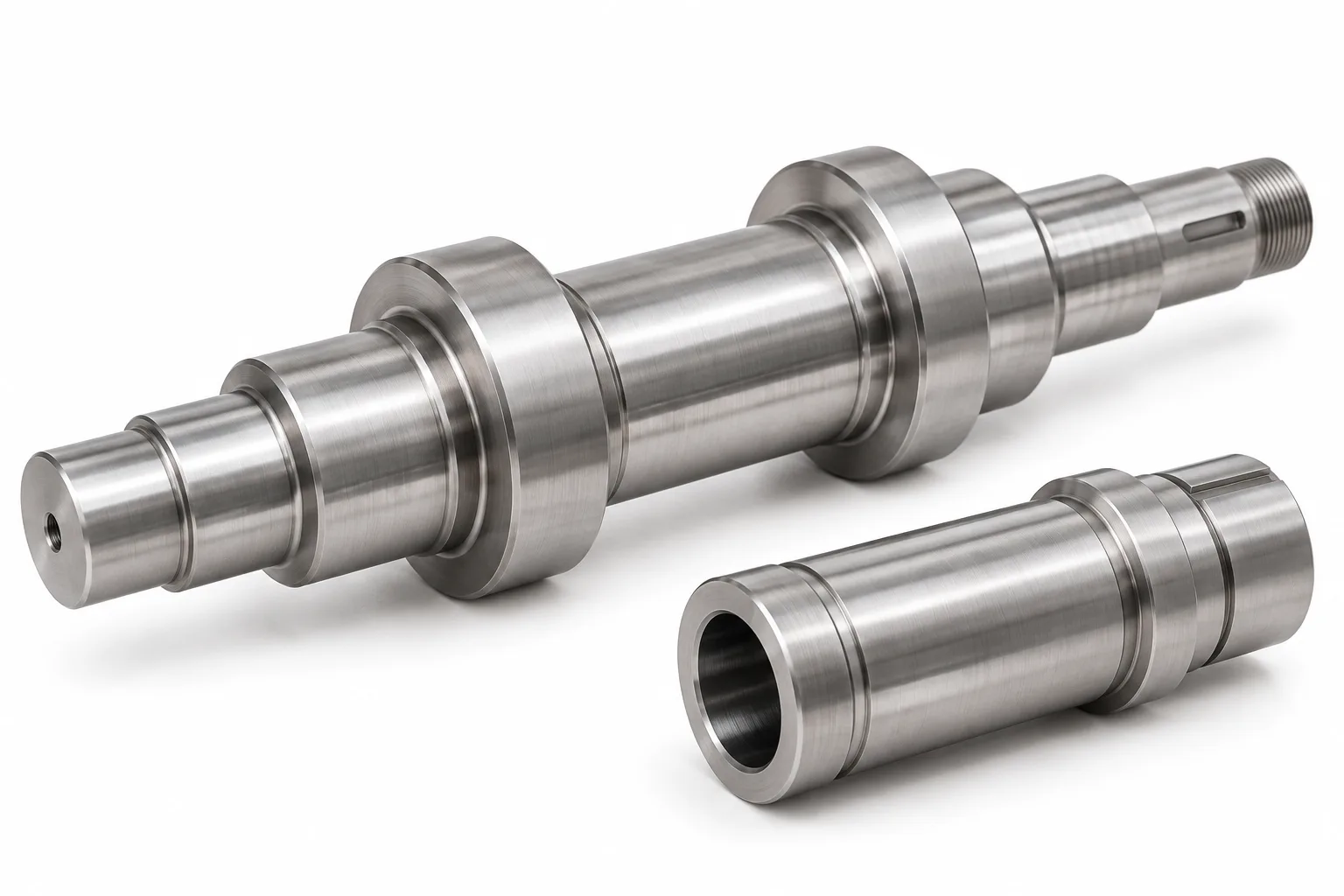
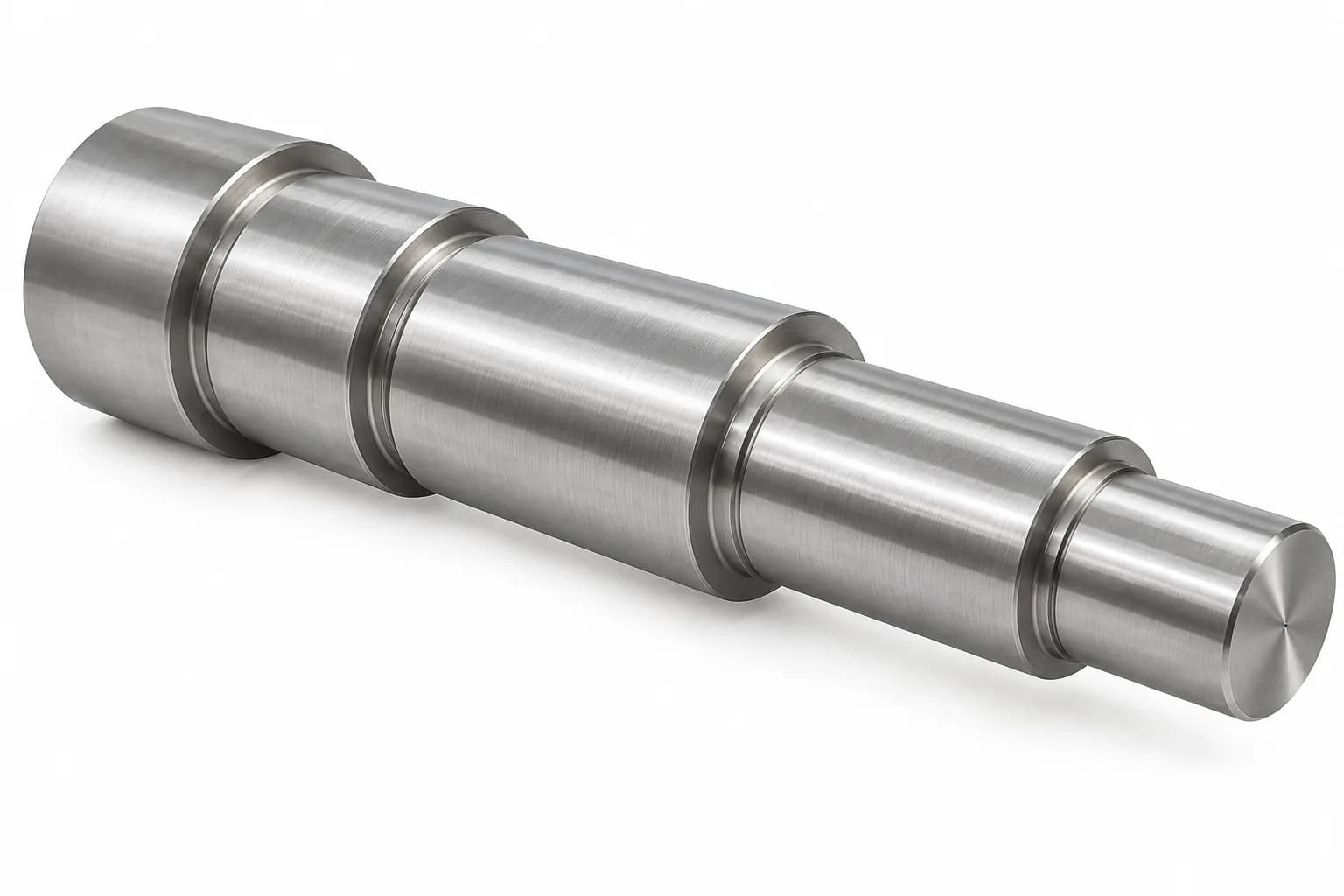
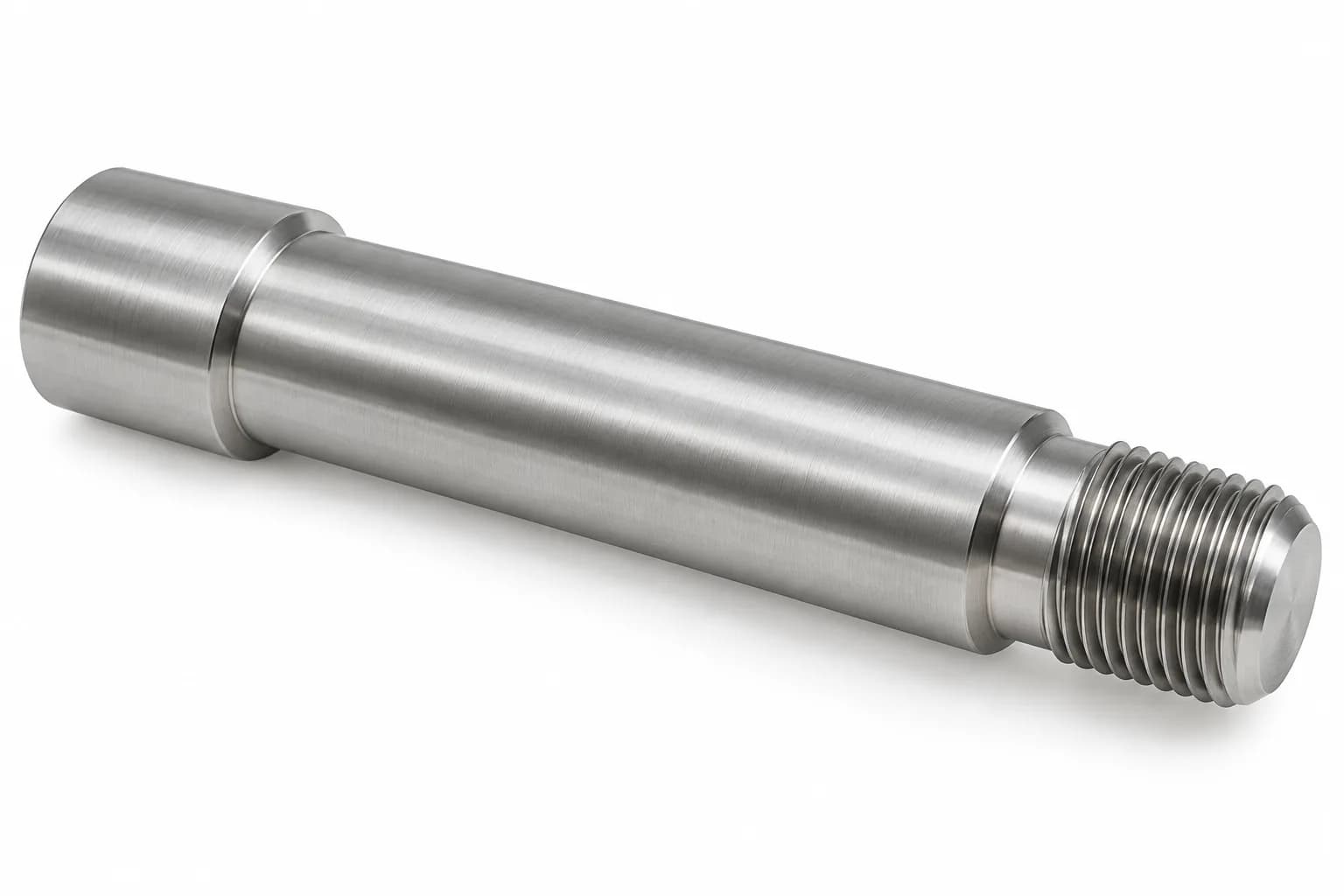
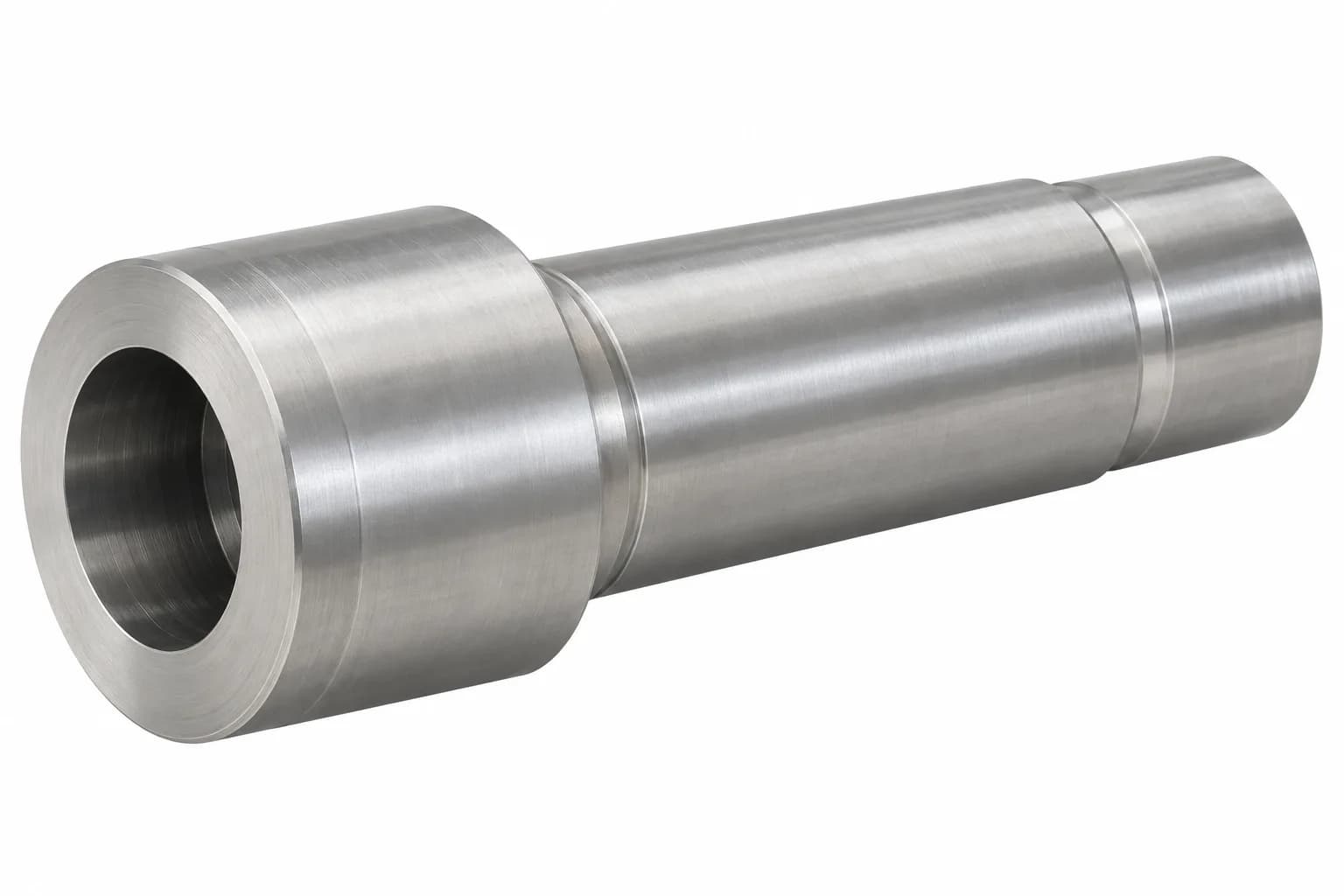
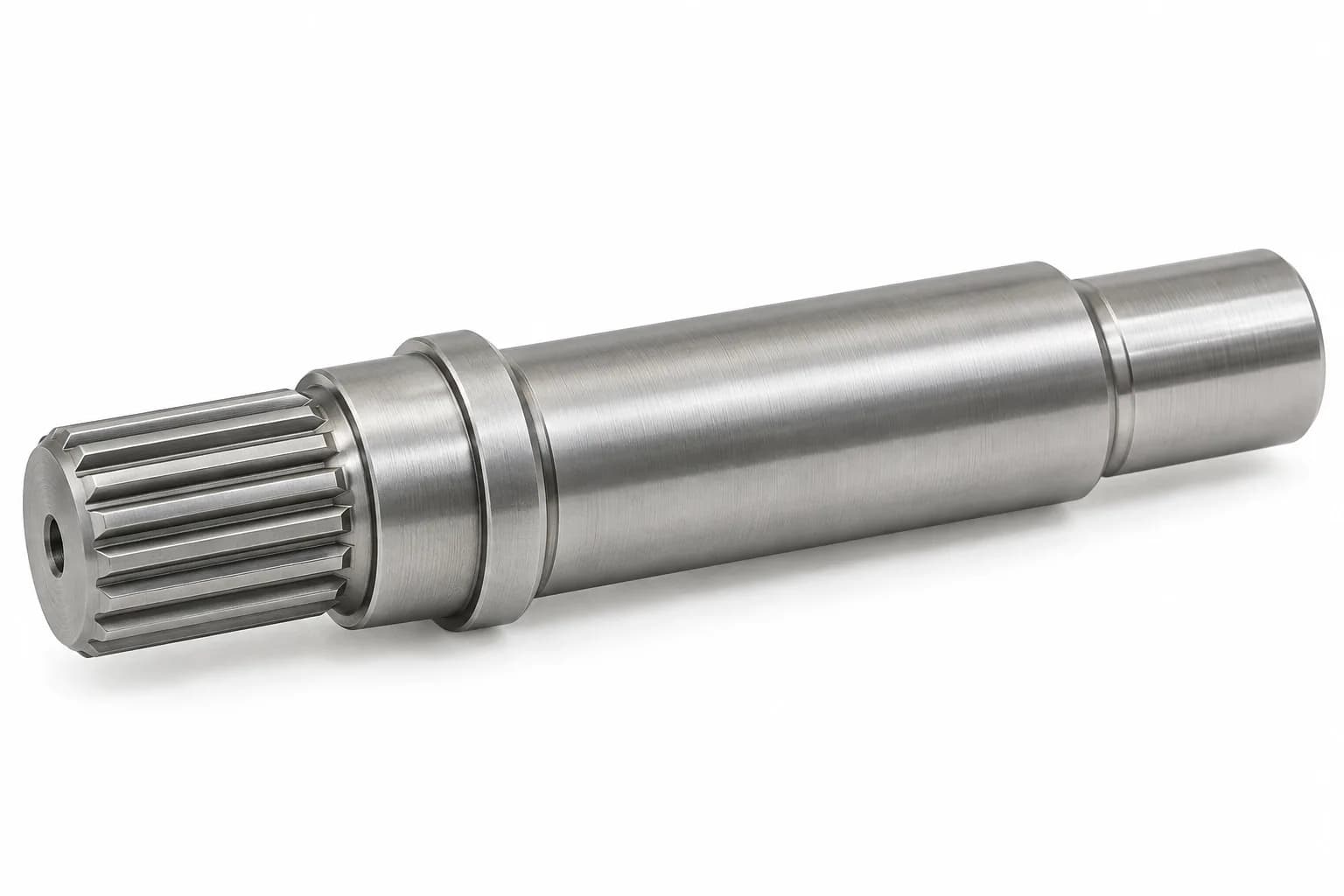
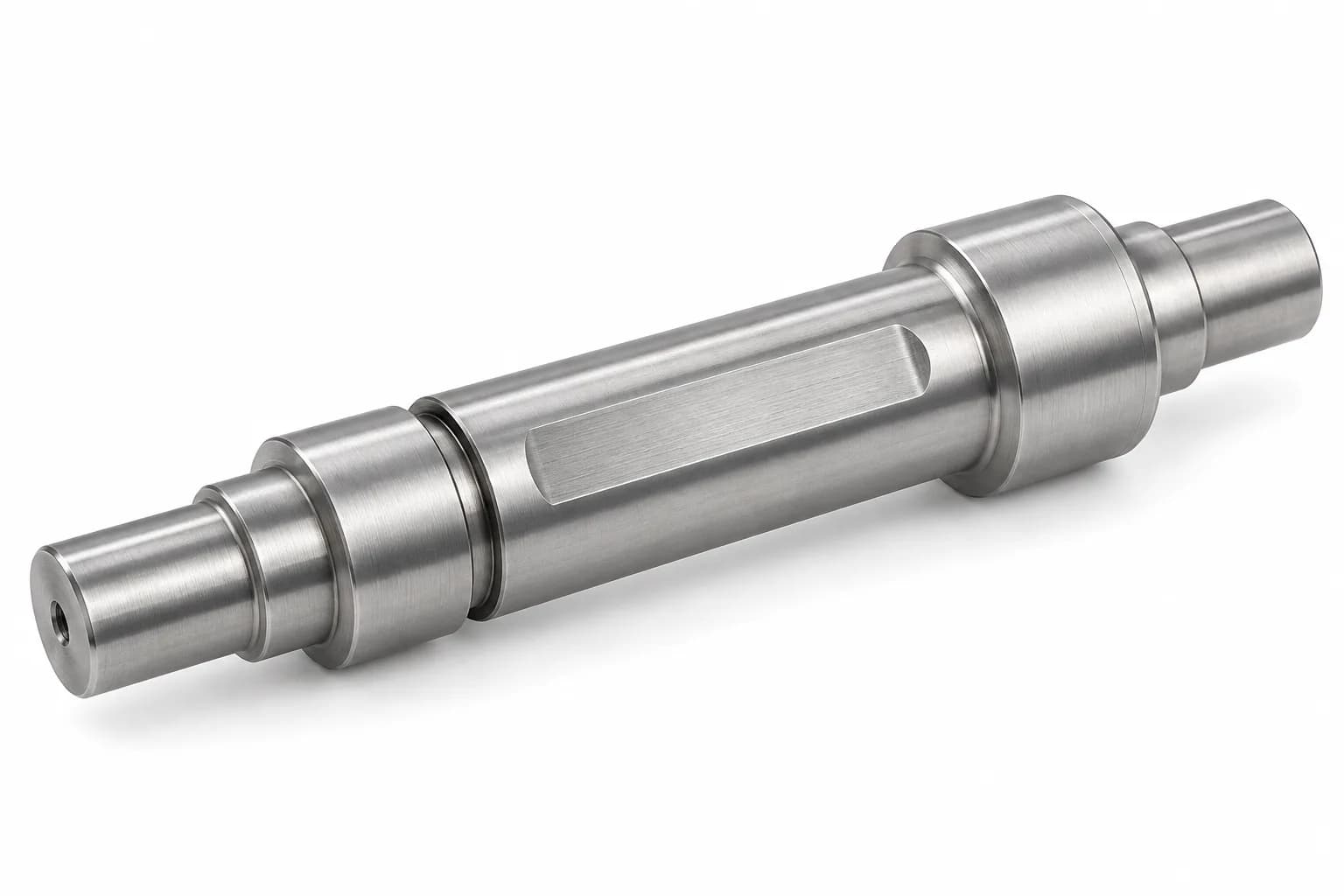
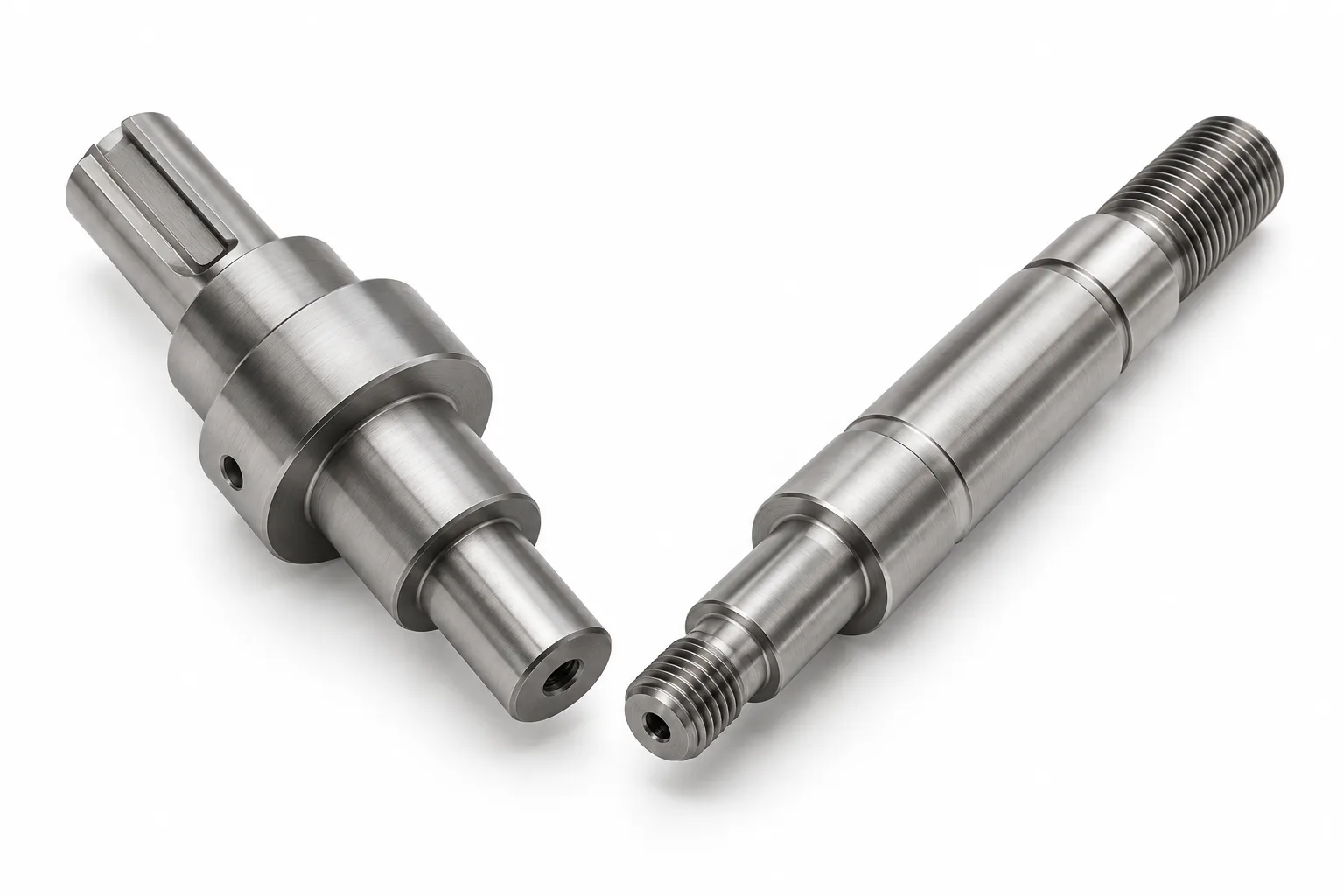
Topshaft accepts drawings for technical review of custom nickel alloy shaft manufacturing. The review covers grade and stock sourcing, dimensions, machining and finishing feasibility, and required records. Confirmation depends on the specific project. Send the full requirement rather than treating the grade list or generated product geometry as proof that the same part has already been qualified for production.
07What information is needed to quote a nickel alloy shaft?
+
A nickel alloy shaft supplier needs the drawing revision, alloy grade and condition, dimensions, critical tolerances, quantity and delivery target. Add operating temperature, environment and required documentation. Identify heat treatment, roughness, functional fits and inspection criteria. If an alloy has not been selected, provide the application details so that material suitability and sourcing can be discussed before the quotation is confirmed.