
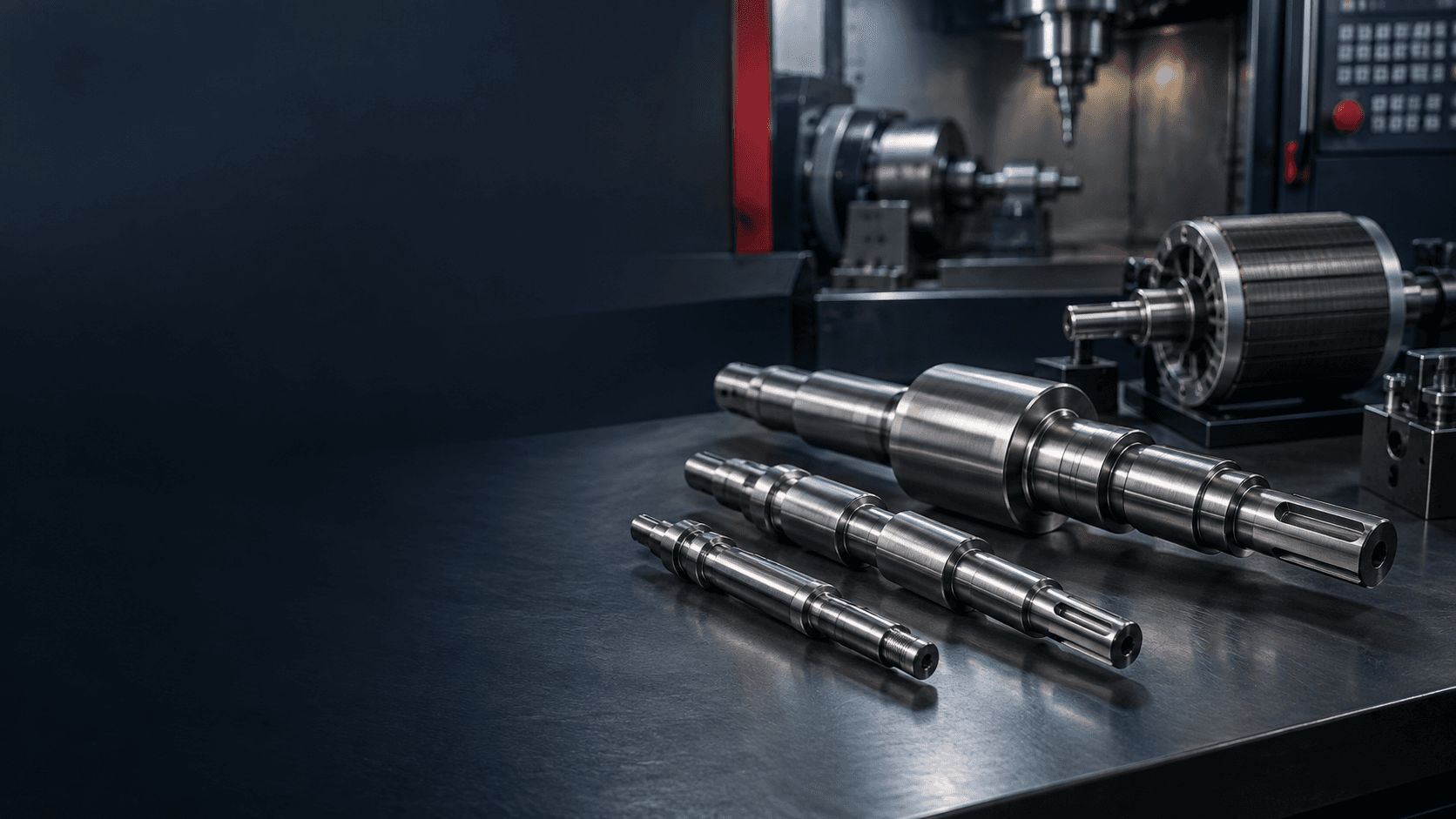
ELECTRIC MOTOR SHAFT MANUFACTURING
Motor Shaft
Manufacturer
Precision motor shafts for reliable, smooth rotation.
Topshaft manufactures custom motor shafts and electric motor rotor shafts for industrial motors, servo motors, BLDC motors, pumps, fans, automation equipment and other rotating systems.Critical characteristics including bearing journal diameter, runout, concentricity, straightness, surface roughness and hardness are reviewed around your drawing and functional requirements.
Prototype and production motor shafts manufactured to your drawing and specifications.AT A GLANCE
Motor shaft manufacturing capabilities
Each route is reviewed around the motor assembly, bearing interfaces and rotational performance requirements.- Product type
- Custom electric motor shafts and rotor shafts
- Manufacturing
- Made-to-drawing / OEM / custom production
- Processes
- CNC turning, Swiss turning, milling and grinding
- Materials
- Carbon steel, alloy steel, stainless steel and specified machinable materials
- Features
- Bearing journals, shoulders, grooves, keyways, splines, threads, flats and holes
- Precision
- Dimensional, runout and concentricity control to drawing requirements
- Finishing
- Machined, ground, polished and application-specific finishes
- Production
- Prototype, low-volume and production runs
ENGINEERING OVERVIEW
What is a motor shaft?
A motor shaft is the rotating mechanical component that transfers torque from an electric motor's rotor to the driven equipment.
Depending on the motor design, it may support the rotor, bearings, encoder, fan, gear, pulley, coupling or other transmission components.
Because it rotates with the rotor assembly, accuracy directly influences vibration, noise, bearing life, rotor stability, power transmission, sealing performance and motor efficiency.
MOTOR-SPECIFIC GEOMETRY
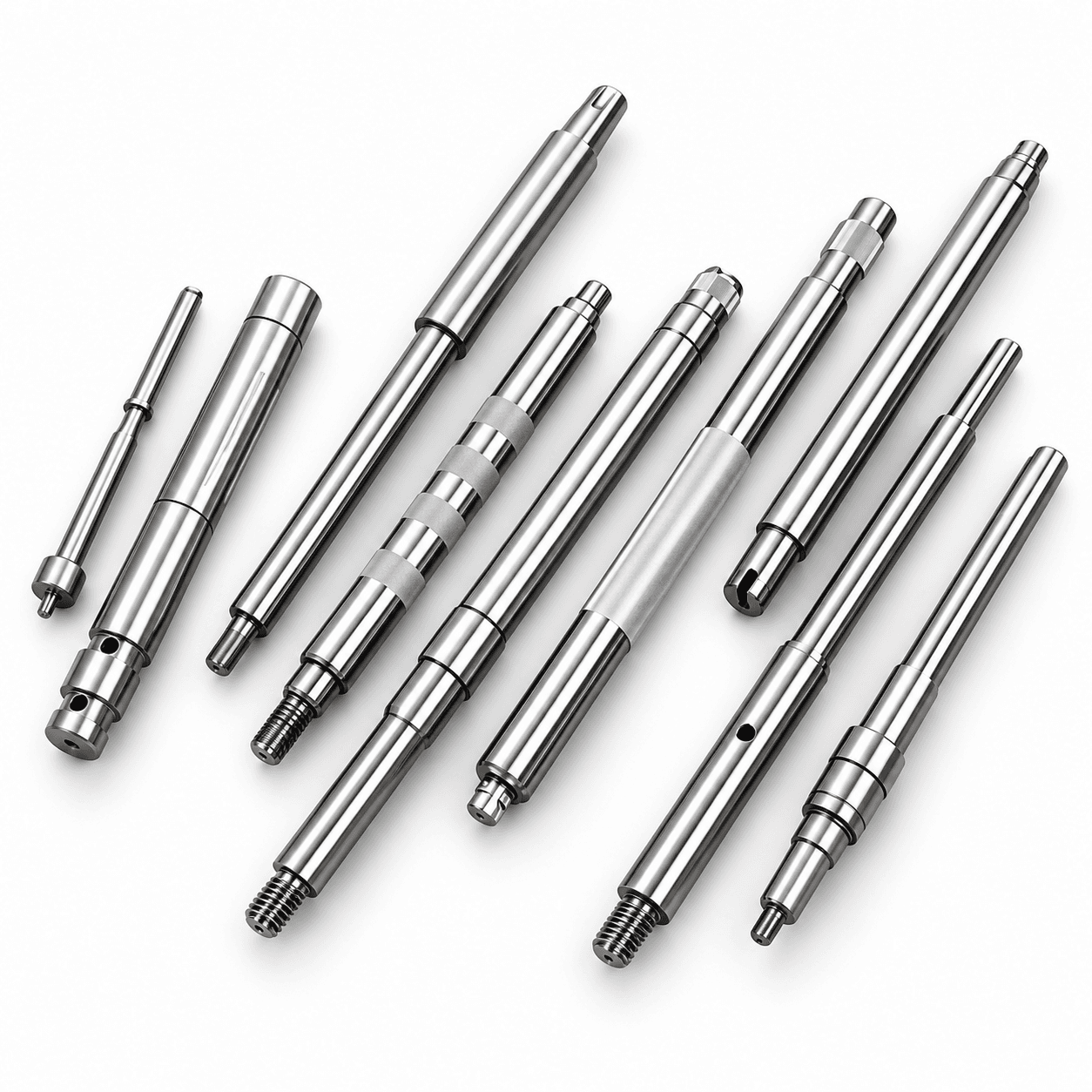
What features can be machined on a motor shaft?
Rotor mounting diameters
Functional locations for rotor stack, laminations or mounted rotor components.Shaft shoulders
Locating surfaces for bearings, rotors, spacers and retaining components.Keyways
Torque transfer interfaces for couplings, pulleys, gears and fans.Splines
Accurate torque-transmitting interfaces for motor and drive assemblies.Threads
Drawing-specified external or internal mounting threads.Retaining-ring grooves
Grooves for secure axial component location.Flats
Positioning or interface surfaces where the motor design requires them.Cross & axial holes
Drilled and bored features for mounting, routing or assembly.MOTOR SHAFT TYPES
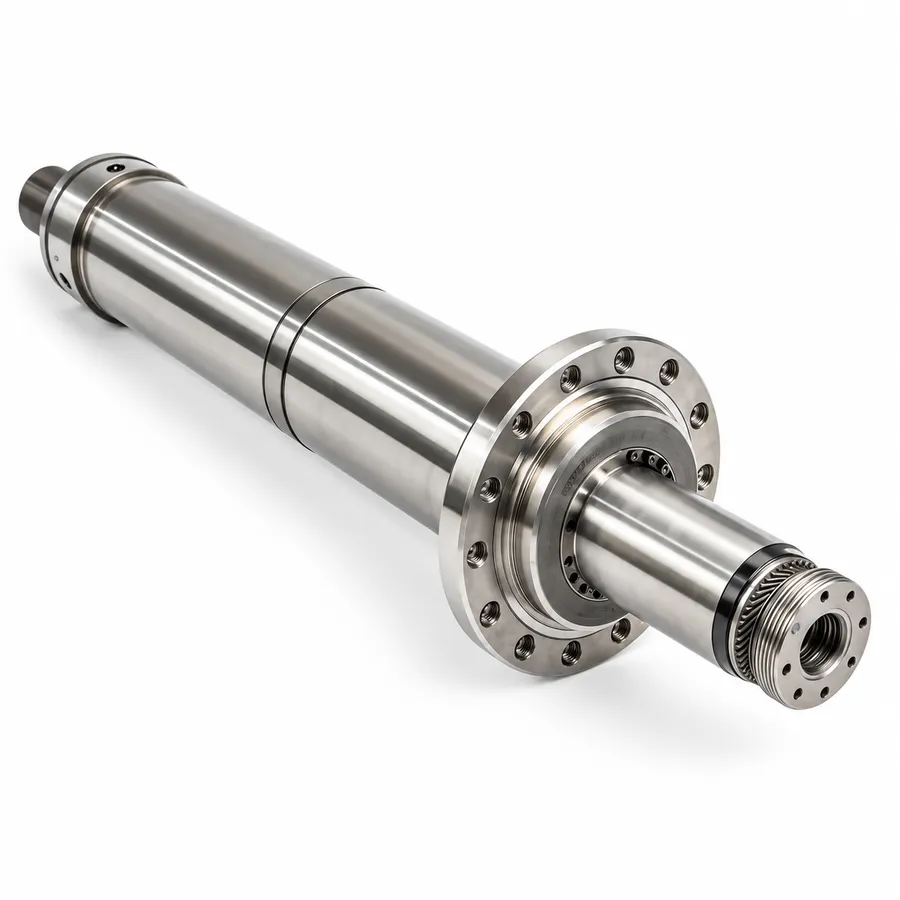
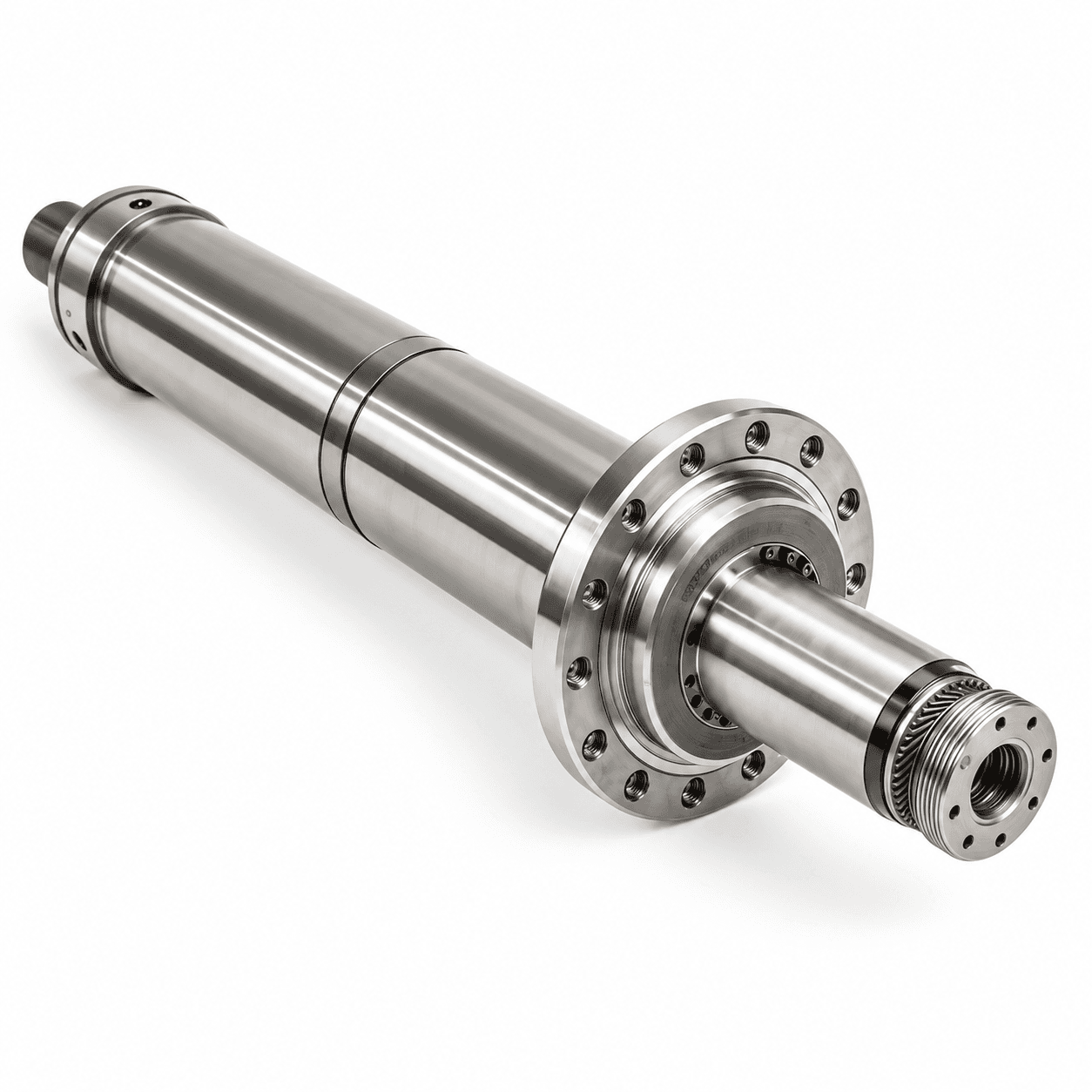
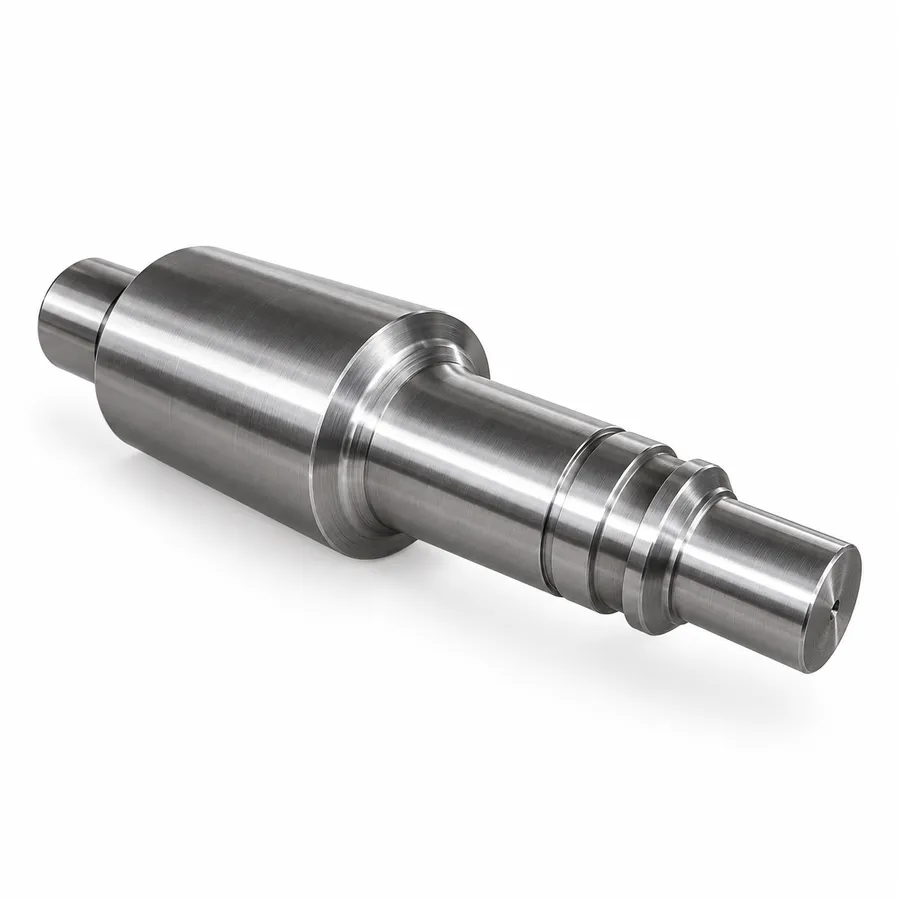
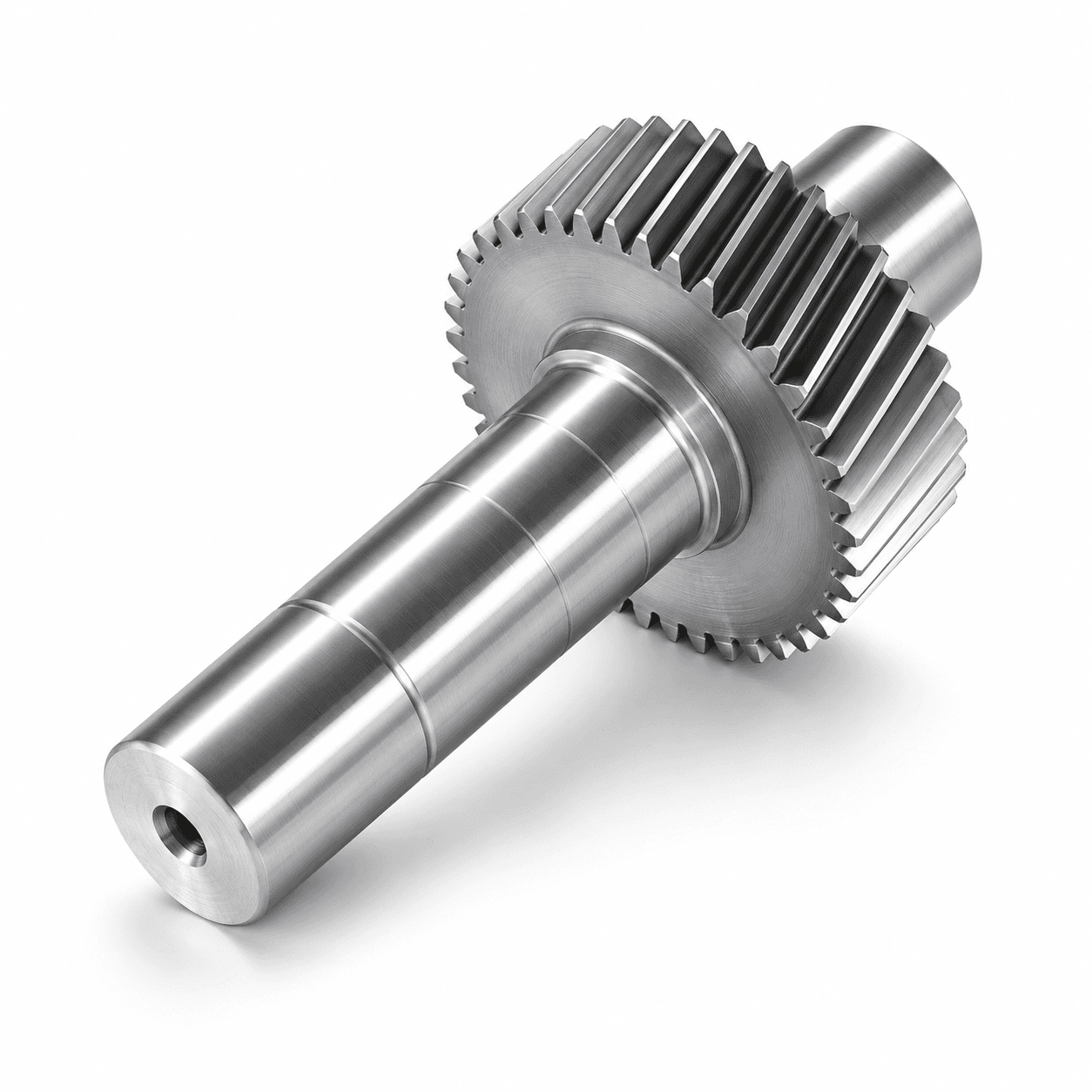
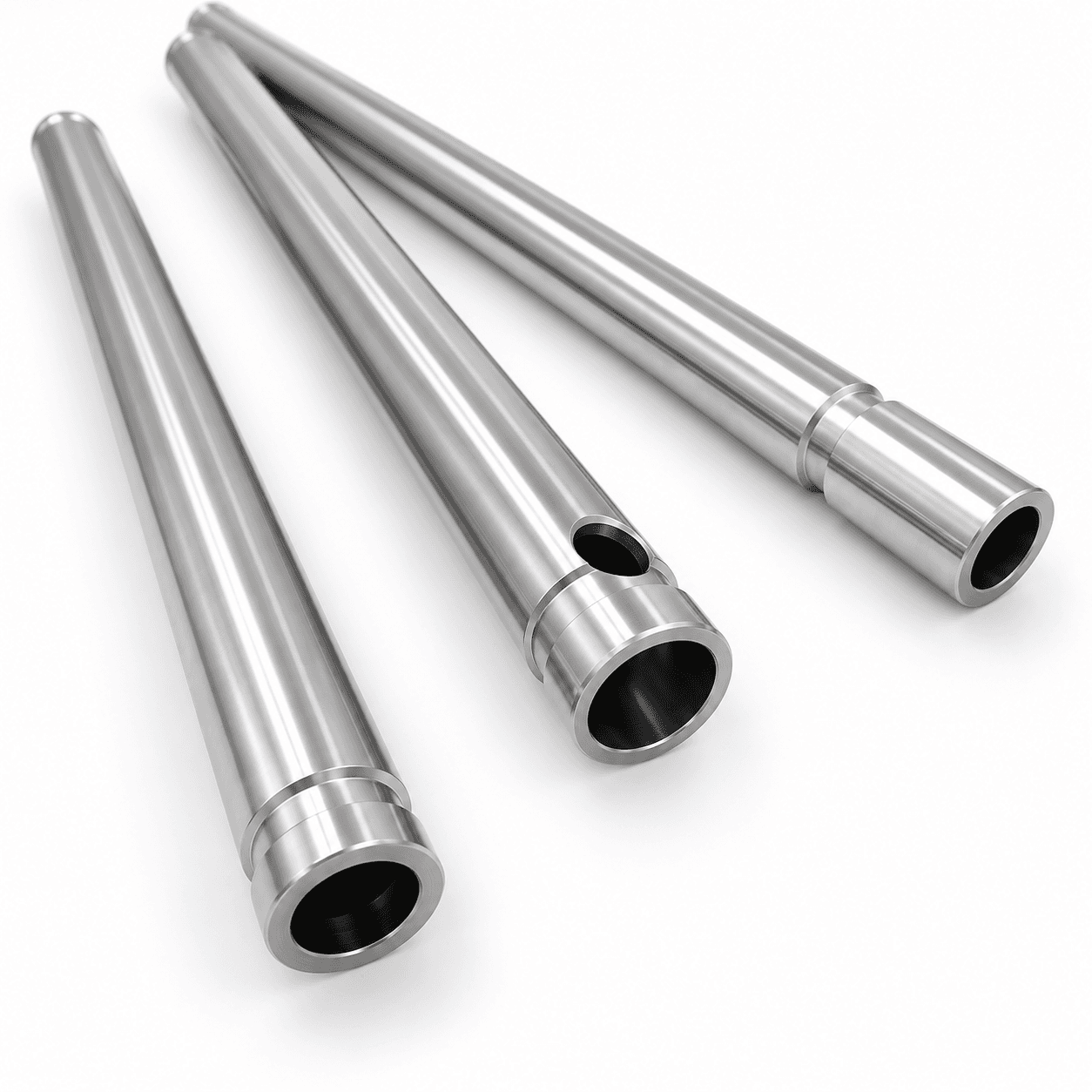
Custom motor shafts made to your specifications
We review 2D drawings, 3D models, samples, motor assembly requirements, bearing dimensions, rotor dimensions, speed, hardness and production quantities.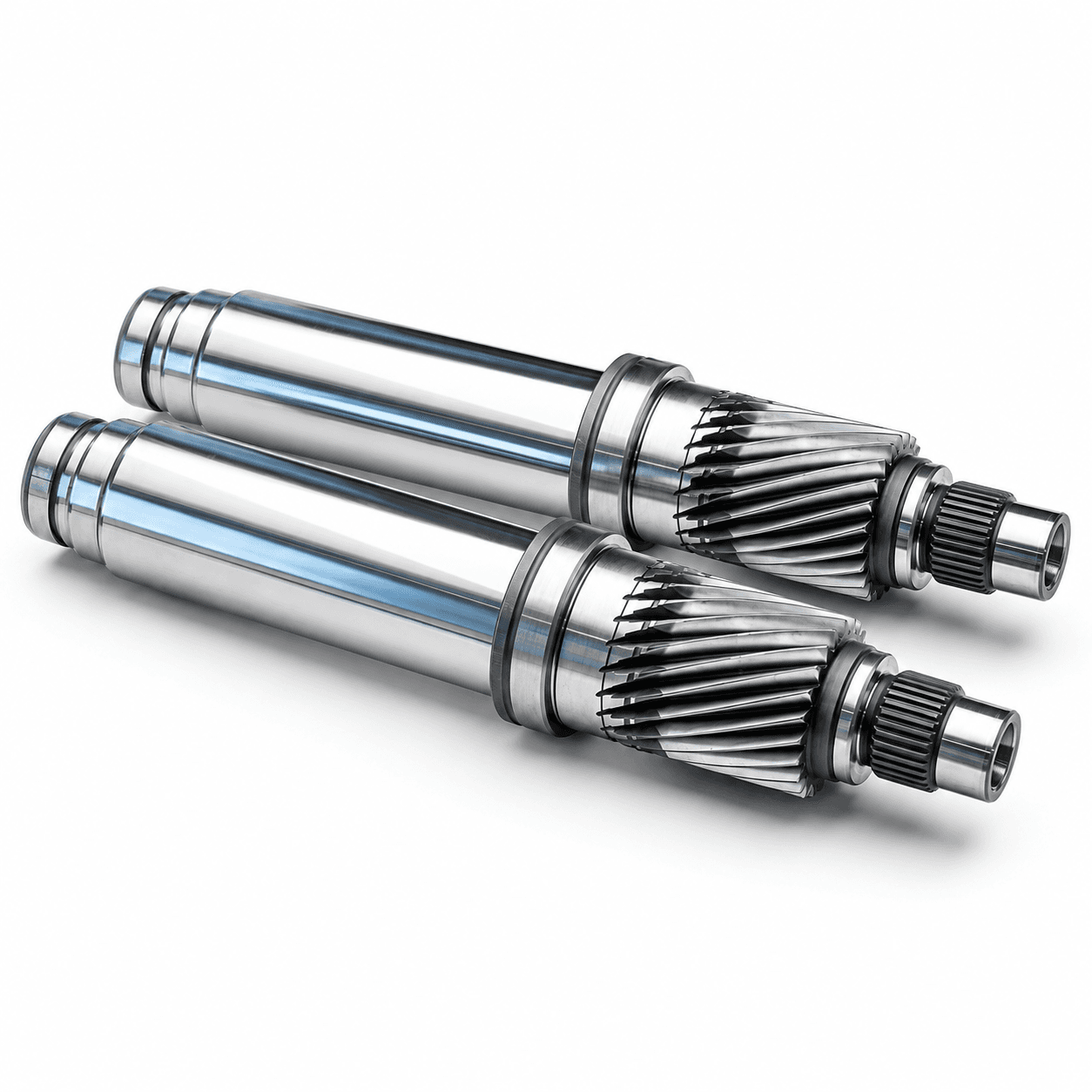
MANUFACTURING CAPABILITIES
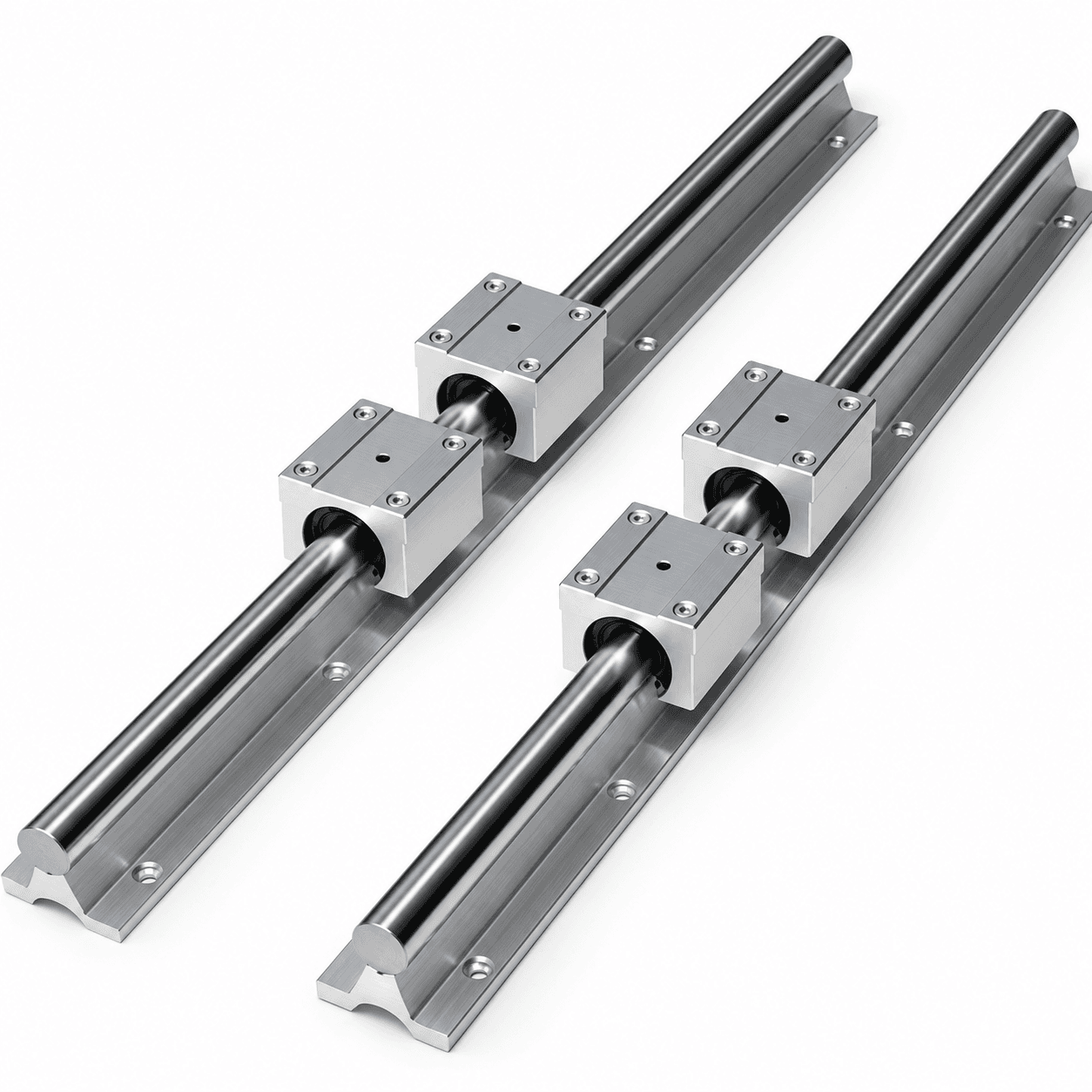
How are precision motor shafts manufactured?
Process selection is made around motor geometry, tolerance, material, hardness, operating speed and quantity.MATERIAL SELECTION
What materials are used for motor shafts?
Selection depends on torque, rotational speed, fatigue strength, hardness, wear, corrosion resistance, magnetic characteristics and cost requirements.Carbon steel
General industrial motor applicationsAlloy steel
Higher-strength and high-load motor shaft designsStainless steel
Corrosion-resistant motor and pump applicationsAluminum
Lightweight rotating assembliesCopper alloys
Specialized electrical or low-friction interfacesTitanium & nickel alloys
High-strength or high-temperature applications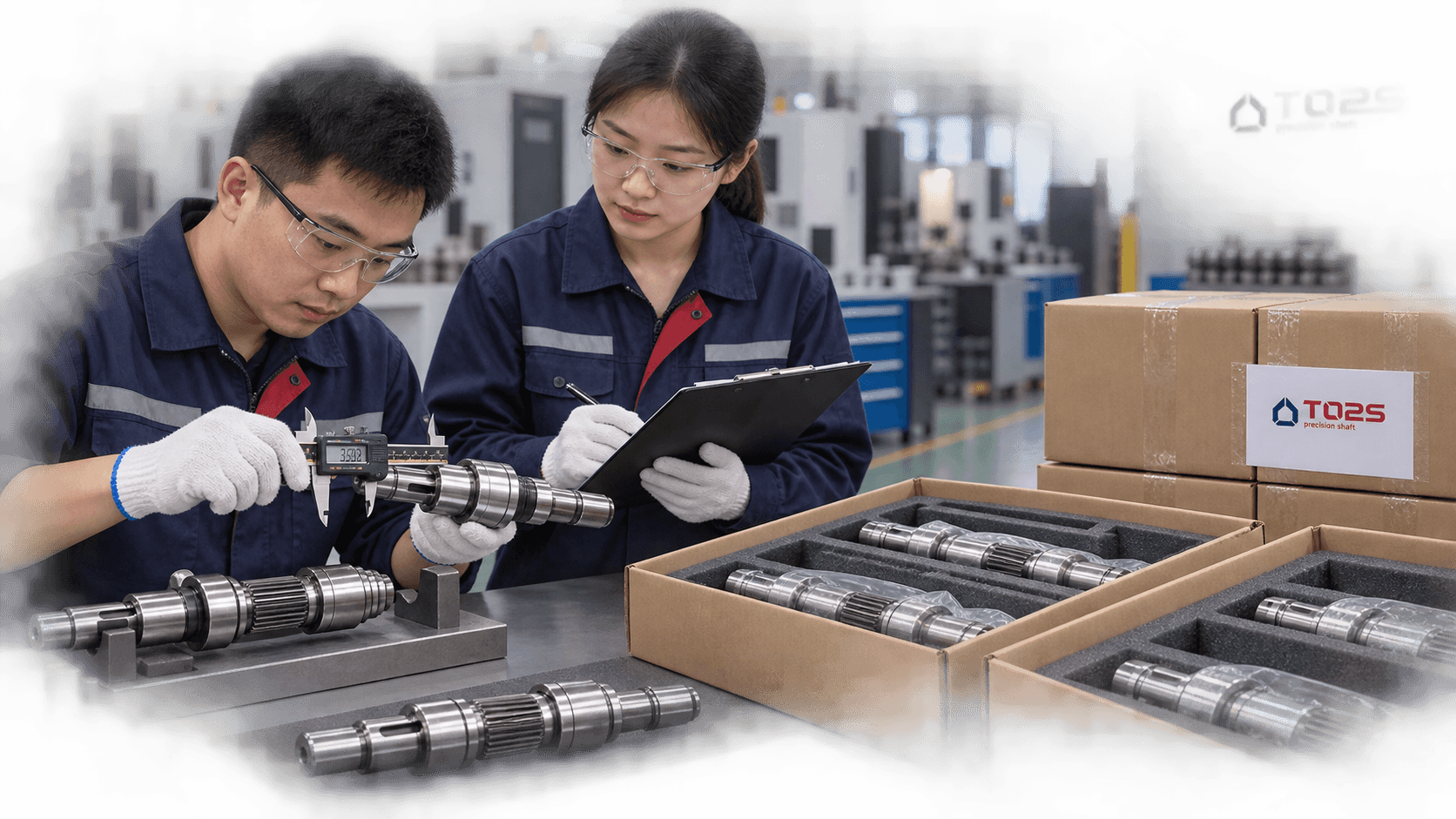
ROTATIONAL PERFORMANCE
Which tolerances are critical for motor shafts?
Motor shaft performance depends on the relationship between bearing journals, rotor interfaces and the rotating axis. Inspection is focused on the characteristics that affect smooth, reliable rotation.- Bearing journal diameter and fit
- Runout of bearing and rotor mounting surfaces
- Concentricity and coaxiality between critical diameters
- Straightness, roundness and surface roughness
- Shoulder location, threads, grooves and overall shaft length
POST-MACHINING REQUIREMENTS
Heat treatment and surface finishes for motor shafts
Required material properties and surface performance are incorporated into the route when specified for the application.Heat treatment
Induction hardening, quenching and tempering, carburizing, nitriding, age hardening and stress relief can be evaluated according to material and drawing requirements.
Surface finishing
Grinding, polishing, black oxide, zinc or nickel plating, passivation and other specified protection can be incorporated where applicable.
APPLICATION CONTEXT
Where are custom motor shafts used?
Industrial electric motors
Motor and rotor assemblies for industrial drive systems.Servo motors
Precision motion-control and automated equipment.BLDC motors
Brushless motor rotor systems and compact assemblies.Pumps
Motor-driven fluid equipment with bearing and seal interfaces.Fans & blowers
Rotating components for air-moving equipment.Robotics
Actuators, joints and motion-control mechanisms.Automation equipment
Drive assemblies for automated machinery.Electric mobility & power tools
Motor systems where controlled rotation and durability matter.CONTROLLED ROUTE
How we manufacture a custom motor shaft
High-speed motor projects receive particular attention to runout, concentricity, straightness, bearing fits, material and surface finish.- 01
Drawing review
Review bearing fits, rotor dimensions, runout, surface finish, speed and production quantity. - 02
Process planning
Select the turning, milling, grinding, treatment and inspection sequence around the motor assembly. - 03
Material preparation
Confirm specified material grade, documentation and controlled stock dimensions. - 04
CNC turning
Machine primary diameters, shoulders, grooves and threaded sections. - 05
Secondary machining
Add keyways, flats, holes and other functional details. - 06
Heat treatment
Incorporate the specified material-property requirements into the manufacturing route. - 07
Finish machining & grinding
Finish critical journals and precision surfaces as required. - 08
Inspection
Verify critical dimensions, runout, concentricity, straightness and surface requirements. - 09
Surface treatment
Apply agreed protection or surface finishing where specified. - 10
Final inspection & packing
Protect and package parts to the agreed shipment requirement.
WHY TOPSHAFT
A motor shaft partner for reliable rotation.
Precision shaft focus
Motor-shaft geometry is reviewed around bearing fits, runout, surface finish and rotational performance.Multiple processes
Turning, milling, grinding and secondary machining are selected as one controlled route.Prototype to production
Projects can progress from engineering samples to repeat production.Custom manufacturing
Parts are made to drawings, CAD models, samples and technical requirements.Precision inspection
Critical dimensions and geometric relationships are checked to the project requirement.Engineering support
Manufacturing feasibility, tolerance requirements and process choices can be reviewed before production.PREPARE YOUR RFQ
What information do you need for a motor shaft quote?
For the fastest technical evaluation, send the details that define the motor assembly and performance requirements.- 012D drawing or 3D CAD model
- 02Material specification
- 03Required quantity and annual volume
- 04Motor type and application
- 05Operating speed
- 06Bearing journal dimensions and fits
- 07Runout or concentricity requirements
- 08Surface roughness
- 09Heat treatment and hardness
- 10Inspection or documentation requirements
BUYER QUESTIONS
Motor shaft FAQs
Direct answers for motor engineering and sourcing teams.What is a motor shaft?+
A motor shaft is the rotating mechanical component that transfers torque from an electric motor rotor to driven equipment. It may support the rotor, bearings, encoder, fan, gear, pulley, coupling or other transmission components.
What materials are commonly used for motor shafts?+
Carbon steel, alloy steel and stainless steel are common selections. The appropriate material depends on torque, speed, hardness, corrosion exposure, wear and cost requirements.
What tolerances are important for a motor shaft?+
Bearing journal diameter, runout, concentricity, straightness, roundness and surface roughness are often critical because they affect vibration, bearing life and rotor stability.
Why is motor shaft runout important?+
Runout influences rotor balance and rotational stability. Excessive runout can contribute to vibration, noise, bearing loading and reduced motor life.
Can motor shaft bearing journals be ground?+
Grinding can be used where tighter bearing fits, improved surface roughness or finish machining after heat treatment are required.
Can you manufacture motor shafts with keyways?+
Yes. Motor shafts can incorporate keyways, flats, splines, threads, retaining grooves, holes and other drawing-specified features.
Can motor shafts be heat treated?+
The route can incorporate the specified heat treatment for the selected material and application, followed by finish machining where required.
Can Topshaft manufacture high-speed motor shafts?+
High-speed projects are reviewed around runout, concentricity, straightness, bearing fits, balance-related requirements, material and surface finish.
Can you produce prototype motor shafts?+
Yes. Projects can begin with prototype or first-article samples before low-volume or repeat production.
READY TO START?